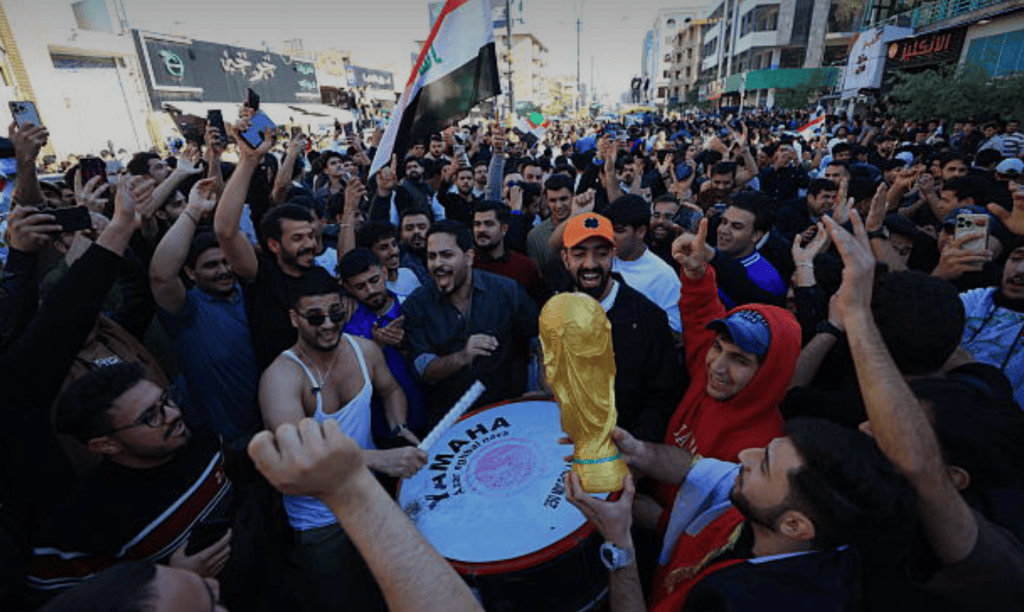
On a hot June night in Baghdad, thousands of Iraqi fans poured into a public square for a World Cup watch party. Thousands of miles away, the Iraqi national team, nicknamed the Lions of Mesopotamia, marched onto the hallowed grass of Gillette Stadium (known as Boston Stadium throughout the tournament). Excitement filled the air, but so did apprehension.
This was Iraq’s first World Cup appearance in 40 years, and they had been drawn into a daunting group featuring France, Senegal, and their opening opponents, Norway. Yet the so-called “group of death” was not what worried Iraqi supporters. In fact, many fans were confident their team could compete with nations boasting superstars such as Kylian Mbappé, Erling Haaland, and Sadio Mané. The source of their anxiety was something far more spiritual.
The 2026 FIFA World Cup took place during Muharram, one of the holiest months in the Islamic calendar. For Shia Muslims, who make up approximately 60 percent of Iraq’s population, Muharram is a period of mourning that commemorates the martyrdom of Imam Husayn ibn Ali, the grandson of the Prophet Muhammad, more than 1,300 years ago. During this time, believers are expected to engage in solemn reflection and expressions of grief.
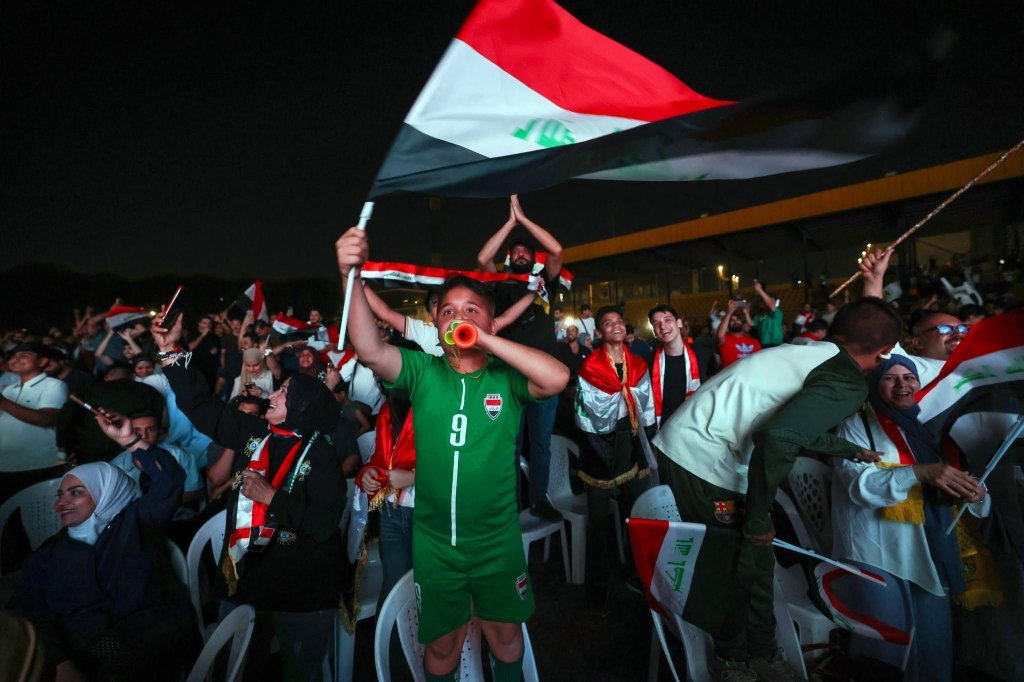
This overlap created a dilemma for many Iraqi soccer fans. On one hand, it was important to honor their faith and observe its traditions. On the other, Iraq’s participation in the World Cup represented a historic moment for both the national team and the soccer-crazed nation as a whole. Seeking to resolve the tension, Sayyid Muqtada al-Sadr, the de facto leader of many Iraqi Shias, issued a statement encouraging Iraqis to passionately support the national team, provided they continued to observe Muharram customs before and after each match.
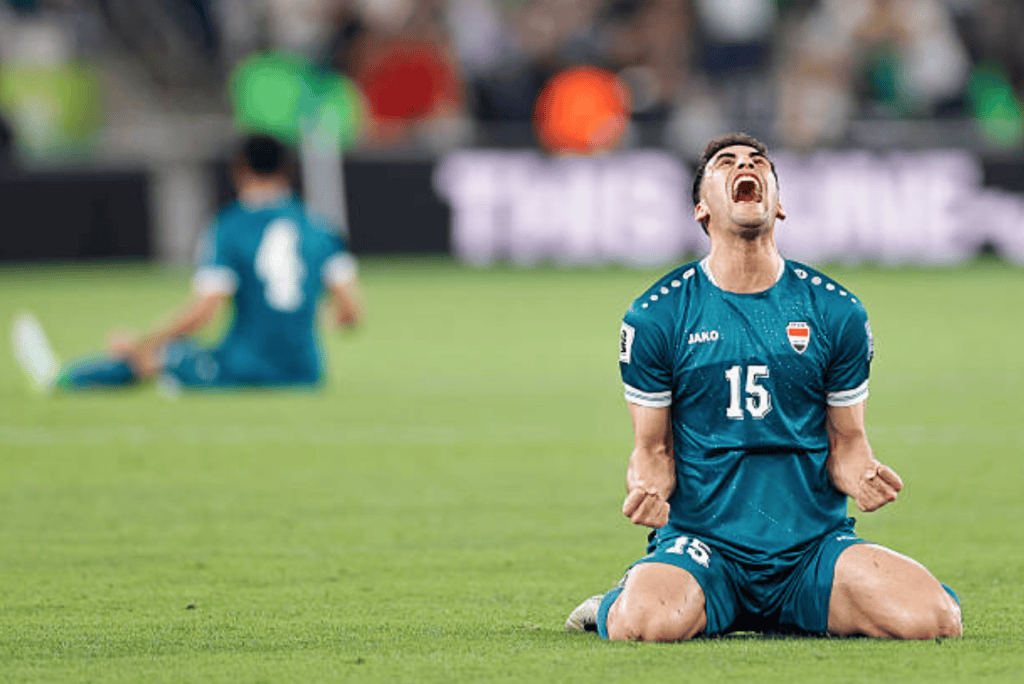
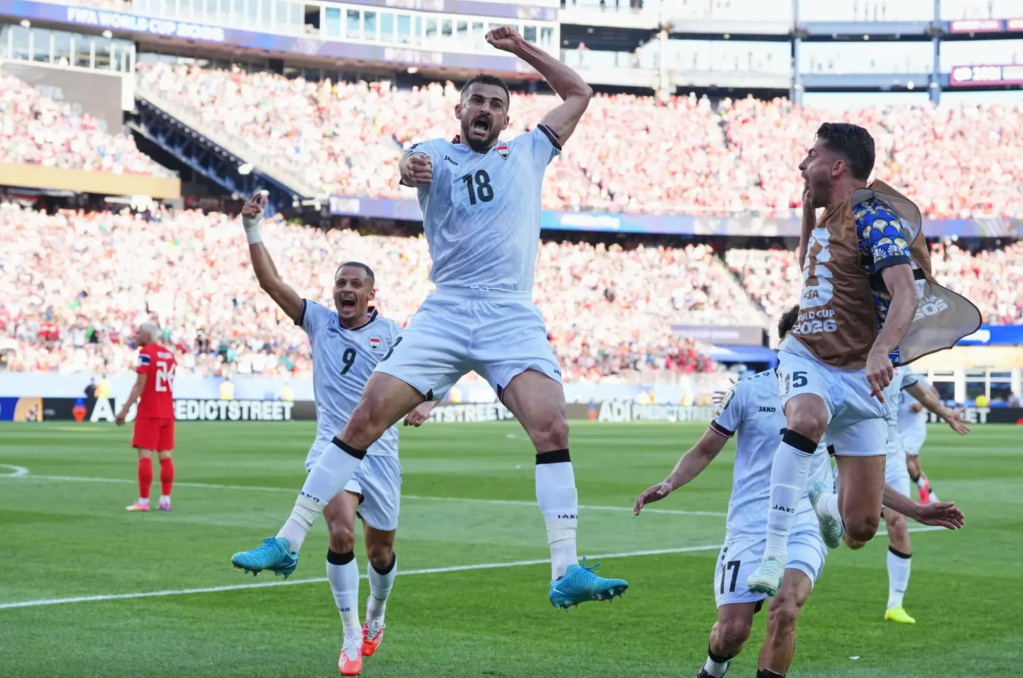
Buoyed by the cleric’s endorsement, Iraqi fans rallied behind their team throughout the tournament. When star striker Aymen Hussein rose to head home an Amir Al-Ammari cross against Norway, supporters in both Boston and Baghdad erupted in celebration. Although the Lions of Mesopotamia would go on to lose that match, as well as their remaining group-stage fixtures, their presence on soccer’s biggest stage represented something far greater than results. For a nation scarred by decades of dictatorship, war, and terrorism, the World Cup provided a rare moment of collective pride, joy, and unity.
This edition of Explaining Offsides tells the story of the Iraqi national team and examines how soccer helped a diverse and beleaguered nation endure the brutality of Saddam Hussein’s regime, the turmoil of the U.S.-led invasion, and the horrors of ISIL.
Maniacs
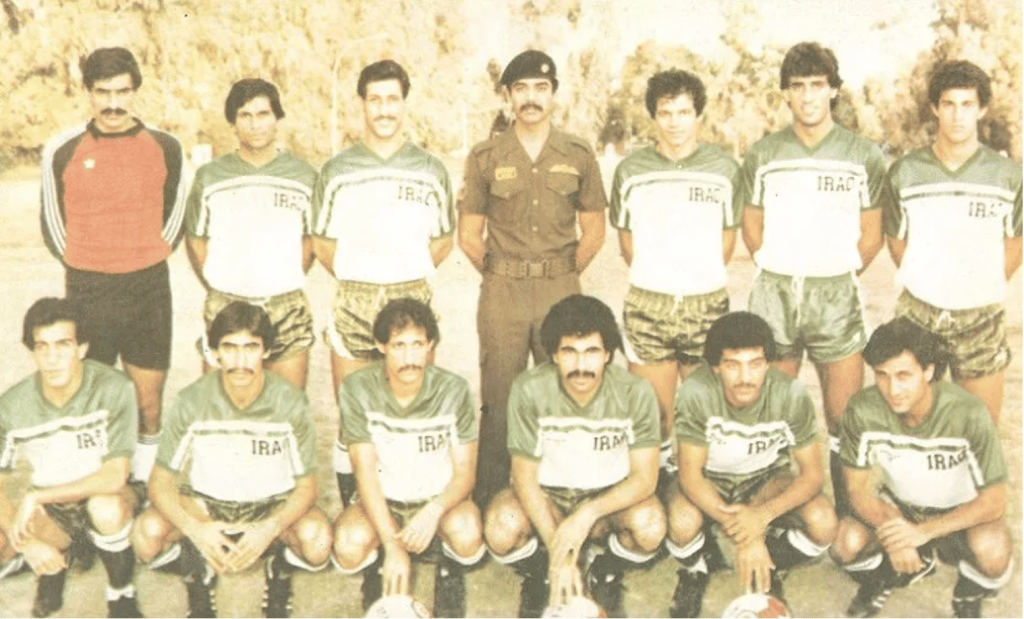
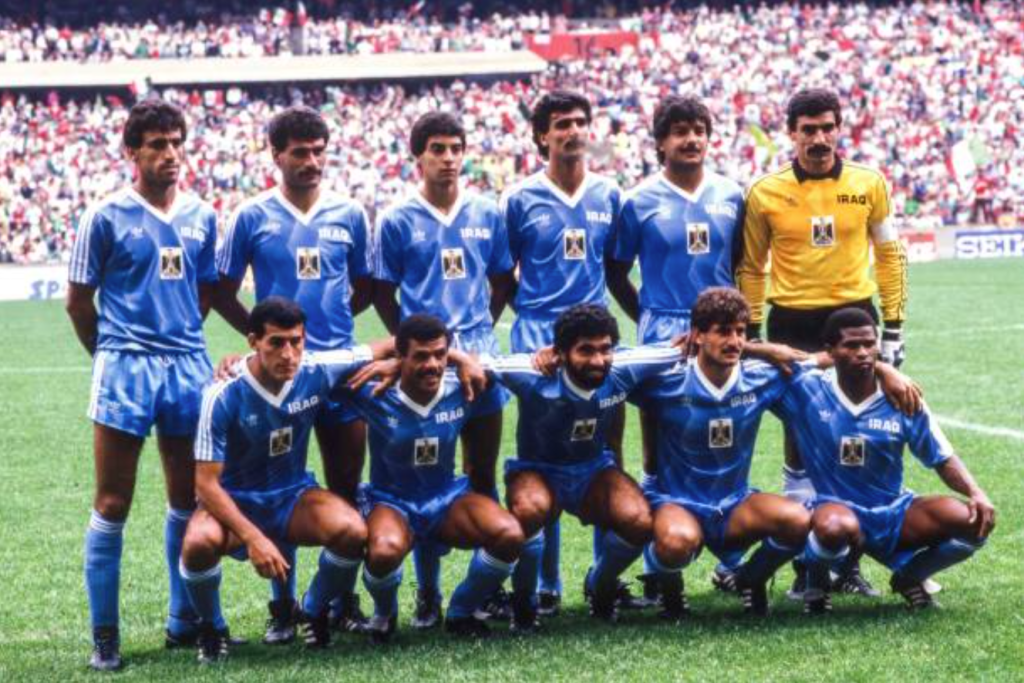
When Iraq qualified for the 1986 World Cup, they arrived in Mexico with a squad full of proven winners. Under the leadership of legendary head coach Emmanuel Baba Dawud, better known as “Ammo Baba,” Iraq captured the 1982 Asian Games, the 1984 Arabian Gulf Cup, and the 1985 Arab Cup. The team’s success was fueled by stars such as Hussein Saeed, who would finish his career as Iraq’s all-time leading scorer, and Ahmed Radhi, the future Asian Footballer of the Year and a player widely regarded as the greatest of Iraq’s golden generation.
Despite their pedigree, Iraq would fail to build off of this initial success and would not return to soccer’s biggest stage for another four decades. The squandered potential of that generation can be traced largely to the influence of a man whose reign over Iraqi sport mirrored the brutality of the regime that empowered him.
In 1984, Saddam Hussein appointed his son, Uday, chairman of both the Iraqi Olympic Committee and the Iraq Football Association. Even by the standards of Saddam’s dictatorship, Uday Hussein stood out for his cruelty and volatility. He was widely accused of rape and violence, terrorizing women throughout Baghdad and allegedly assaulting girls as young as fifteen. He was also linked to numerous acts of brutality, including the killings of his two brothers-in-law and several bodyguards, and the shooting of one of his half-uncles.
One of Uday’s most notorious acts came in 1988, when he reportedly fell out of favor with his father after drunkenly bludgeoning one of Saddam’s favorite aides to death during a party attended by foreign dignitaries. The event, held in honor of the wife of the Egyptian president, shocked those in attendance, one of whom reportedly described Uday as a psychopath. In response, Saddam temporarily exiled his son to Switzerland and briefly shifted his attention toward grooming Uday’s younger brother, Qusay, as a potential successor.
Given that backdrop, it is perhaps unsurprising that Uday’s stewardship of Iraqi sport became synonymous with fear, humiliation, abuse, and frankly cartoonish levels of evil. While some stories surrounding his rule are difficult to independently verify, numerous former players and coaches have described an environment in which poor performances could result in severe punishment.
Allegations ranged from public floggings and baths in pits filled with raw sewage to forcing players to kick concrete soccer balls for hours at a time. Players were reportedly imprisoned for weeks at a time, while others were subjected to so-called “red rooms,” where punishment allegedly included confinement inside “iron maidens” (steel caskets lined with spikes).
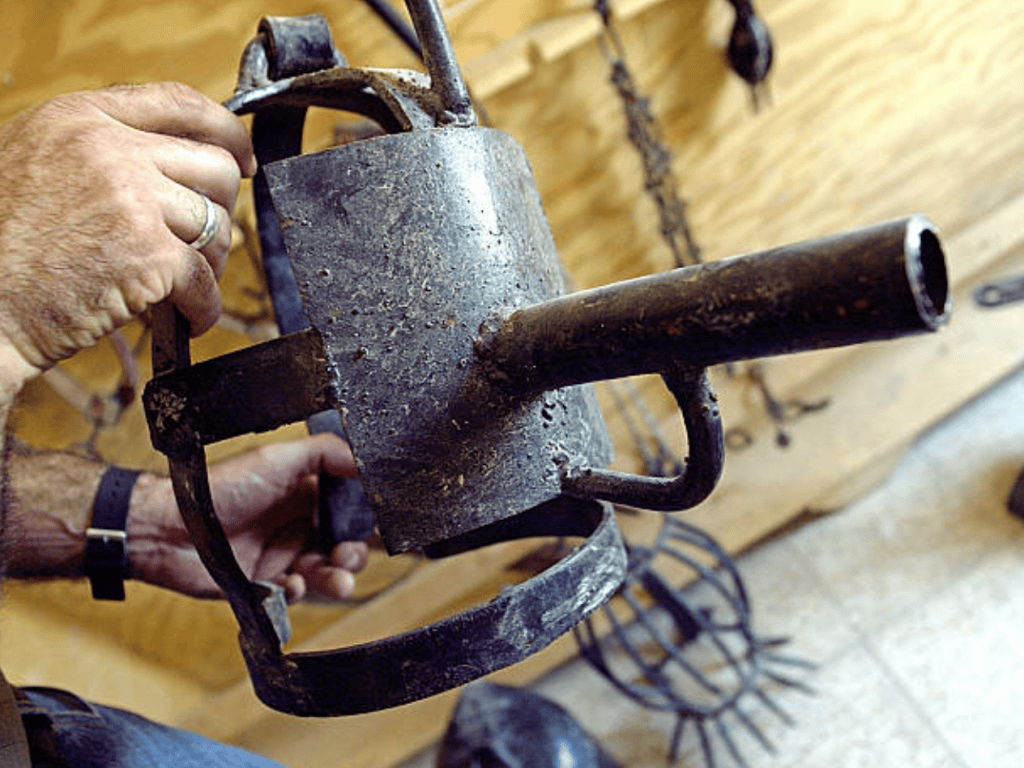
Uday also founded his own club, Al-Rasheed, which quickly became the dominant force in Iraqi soccer. Its success, however, owed as much to political power as sporting merit. Rival clubs were often forced to transfer their best players to Al-Rasheed, while few referees were willing to make decisions that could be interpreted as unfavorable to the regime’s team. Even so, life as an Al-Rasheed player was far from glamorous. The club’s players frequently found themselves at the mercy of Uday’s whims, with some reportedly becoming so fearful of punishment that they avoided taking penalty kicks in the event that they may miss and be the target of Udays rage.
Even Iraq’s biggest stars were not completely shielded from his wrath. Ahmed Radhi, who was forced to leave Al-Zawraa for Al-Rasheed, later spoke about being driven into the desert in the middle of the night to be beaten and having his head forcibly shaved, one of Uday’s preferred punishments.
Ammo Baba also enjoyed a degree of protection because of his immense popularity with the Iraqi public and his willingness to challenge Uday directly. Yet even he was not immune. During his career, Baba was repeatedly hired and fired, occasionally imprisoned, and was once publicly beaten in front of more than 50,000 spectators at Baghdad’s Al-Shaab International Stadium.
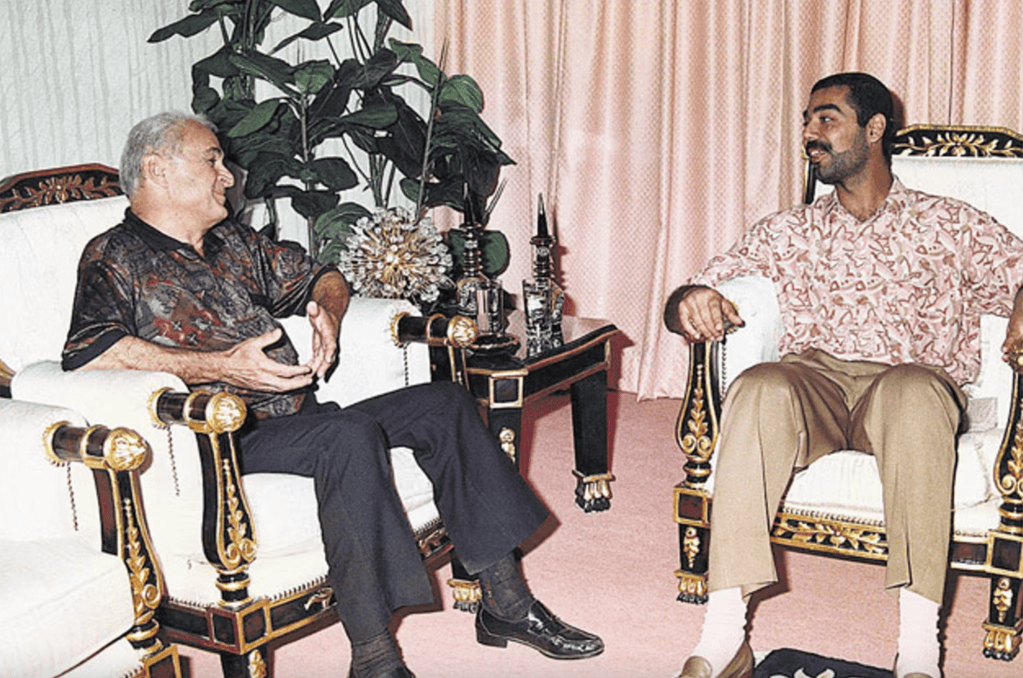
Under Uday’s “leadership,” Iraq’s promising golden generation was slowly suffocated. The domestic league struggled to maintain competitive balance as elite players were either funneled toward Al-Rasheed or sought opportunities abroad. Instability became the norm within the national team setup as well. During Uday’s two decades in charge of Iraqi soccer, the national team changed coaches 28 times, with some managers serving multiple separate stints. Ammo Baba alone was hired and dismissed as head coach six times. As the dysfunction mounted, Iraq’s standing in world football drastically declined, eventually falling as low as 139th in the FIFA World Rankings.
The chaos extended all the way to the 1986 World Cup itself. On the eve of the tournament, Uday once again sacked the national team’s head coach, Edu, who had himself replaced the coach that originally qualified Iraq for Mexico. Uday also reportedly ordered Iraq’s traditional green-and-white uniforms to be replaced with an all-light-blue kit and rejected opportunities to face England and Brazil in pre-tournament friendlies out of concern that poor results could embarrass Saddam’s regime. Players would have undoubtedly struggled to play confidently with the threat of violent reprisals over their heads.
Yet despite these compounding factors, the Iraqi team performed admirably at the 1986 World Cup. Though they lost each tie in their group, each game was close, they gave more experienced teams like Belgium and Mexico difficult matches, and were the victims of a number of bewildering referee decisions. One can only dream about how good this Iraqi team could have been had their players been allowed to develop in a competitive league, with consistent national coaches, and without the fear of violence over their heads.
Miracles
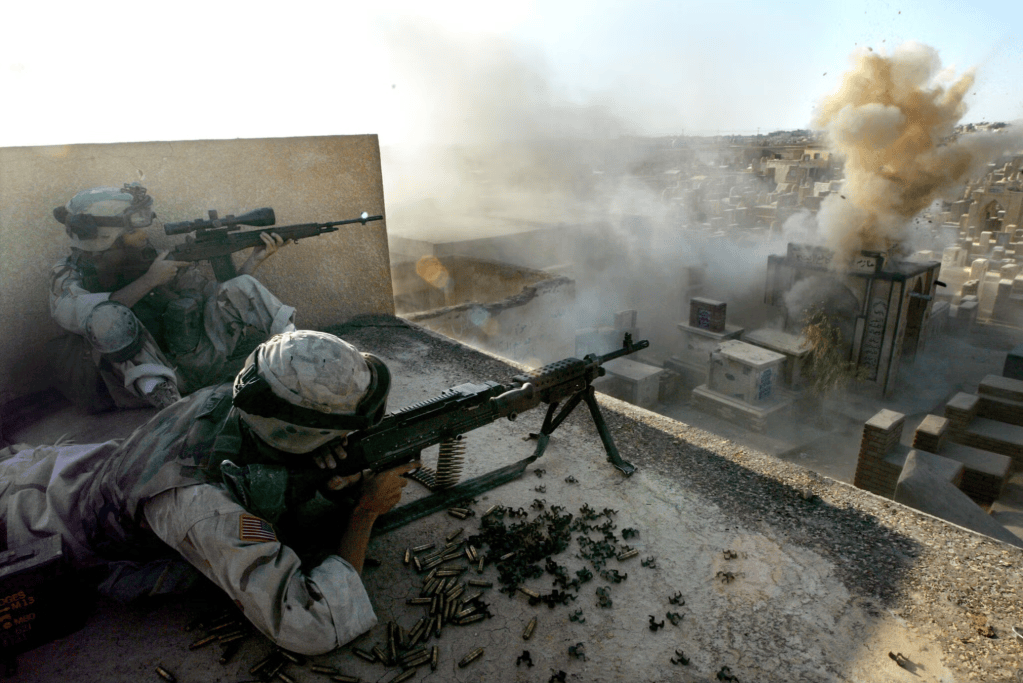
As Iraq began their campaign at the 2007 Asian Cup, the situation back home had changed dramatically over the previous five years, though not necessarily for the better. Uday Hussein was dead, and Saddam Hussein’s Ba’athist regime had been topple during the 2003 U.S.-led invasion. However, the resulting power vacuum and bungled foreign occupation that followed led to years of sectarian conflict, particularly among Shias, Sunnis, and Kurds. By the time the Lions of Mesopotamia took the field for their opening game, over half a million Iraqis had been killed.
The violence had hit close to home for the national team. Unable to safely play at home, the team had to train in Jordan and host their home fixtures in Abu Dhabi. The conflict had claimed the lives goalkeeper Noor Sabri’s brother and midfielder Nashat Akram’s relatives. In the months leading up to the Asian Cup, the team’s physiotherapist was killed in a car bombing while on his way to visit his pregnant wife.
The previous year, 15 members of Iraq’s national taekwondo team were ambushed while traveling to Jordan for a training camp. Their skeletal remains were discovered in the desert just three weeks before Iraq’s opener against Thailand. Such was the threat of violence against the national team that winger Hawar Mulla Mohammed would reportedly show up to training carrying a machine gun.
Given the backdrop of the conflict, expectations for the team understandably modest. Yet the issue was not a lack of talent. This Iraqi squad was the most promising Iraqi team since the legendary generation of the mid-1980s. They had advanced to the quarterfinals at the previous three Asian Cups.
At the 2004 Summer Olympics, Iraq improbably reached the semifinals, having dispatched eliminating a Cristiano Ronaldo-led Portugal in the quarterfinals. The month before the Asian Cup kicked off, the Lions of Mesopotamia finished runners-up at the West Asian Football Federation Championship, giving supporters a reason to be hopeful.
Nonetheless, problems persisted. Jorvan Viera, who had been appointed head coach only two months prior to the start of the tournament, had his work cut out. The Iraqi federation had struggled to provide basic resources such as jerseys, meals, and even challenges finding grass-fields for their camp in Jordan. Most crucially, he had to sew harmony within a friction-ridden dressing room that had been divided along ethnic and sectarian divisions.
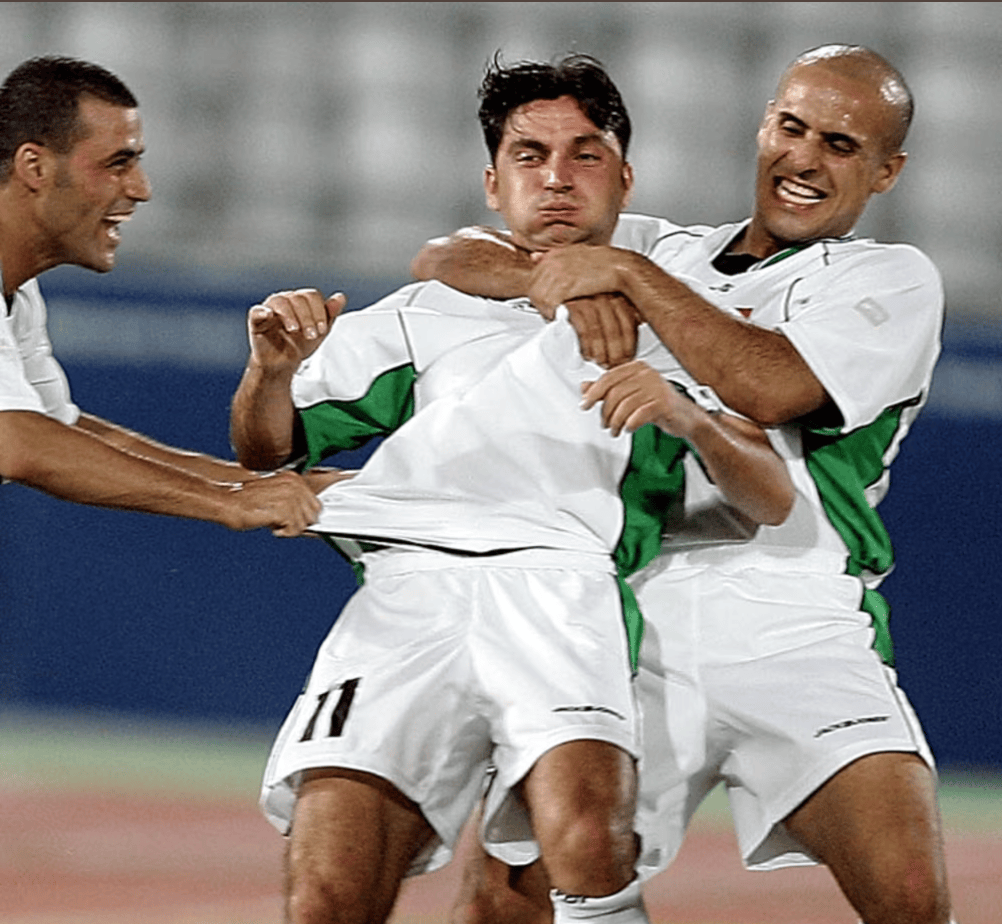
Players on the national team represented the many religious and ethnic groups that had been fighting each other in Iraq. The squad reflected the rich diversity of the nation. Noor Sabri and Nashat Akram were Shia. Captain and leading scorer Younis Mahmoud was Sunni, and Hawar Mulla Mohammed was Kurdish.
Facing division within the group and death threats from a variety of militant groups outside of it, Viera took the bold step of banning discussions of war, religion, and politics within the team. With the noise within the squad quelled, at least temporarily, the national team arrived in Southeast Asia to proudly represent their embattled nation.
Despite the violence, displacement, disharmony, and poor preparations, the Lions of Mesopotamia made a miraculous run at the Asian Cup. They stunned Australia with a 3-1 victory over the Socceroos and topped Group A. They brushed aside Vietnam in the quarterfinals and eliminated South Korea in a penalty shootout to, against all odds, reach their first ever Asian Cup Final.
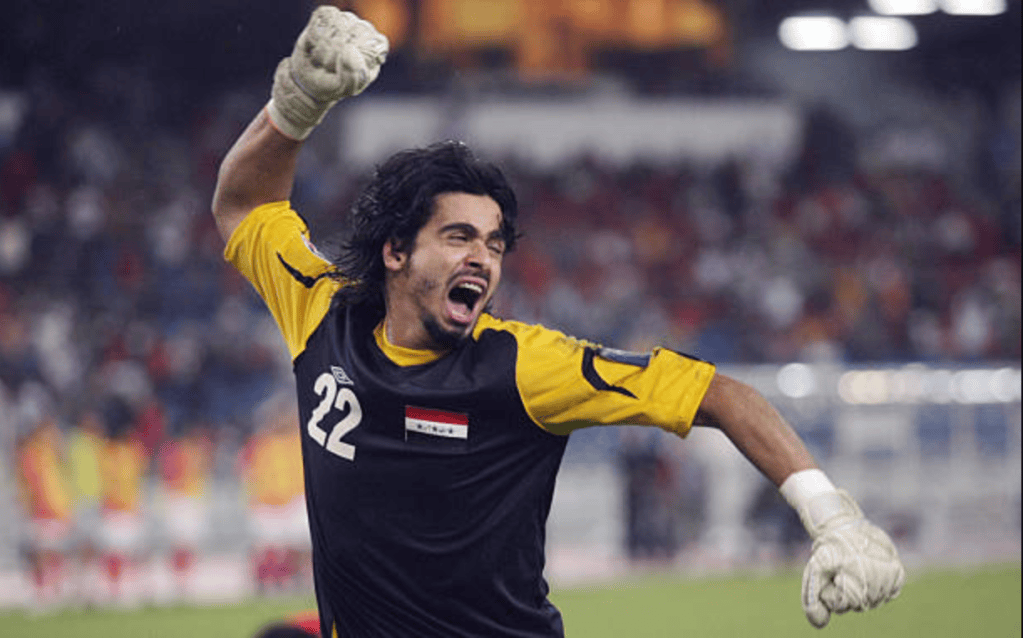
Back home, Iraqis were in delirium, inspired by Younis Mahmoud’s three goals and the penalty heroics of Sabri in goal. Remarkably, the nation managed to rally behind their multi-ethnic team that were succeeding where politicians had been failing. Iraqis embraced the team as a symbol of hope. Inspired by Mahmoud’s goals and Sabri’s heroics in goal, the nation rallied around a multi-ethnic squad that seemed capable of accomplishing what politicians could not. For brief moments, Iraqis saw in the national team a vision of a country united rather than divided.
Then, as the celebrations of Iraq’s semifinal victory continued into the evening in Baghdad, a suspected Al-Qaeda militant parked his vehicle next to an ice cream parlor where jubilant fans had gathered and detonated his device. At least 30 people were killed in the blast, while another 20 died when a separate car bomb exploded at a military checkpoint. With over 50 people dead, the jubilant mood had been replaced with grief, and yet another instance where the people of Iraq were denied of the little joy they had been afforded.
Thousands of miles away in Kuala Lumpur, the Iraqi players sat silently in their locker room watching the television as the carnage unfolded. The devastated players held a meeting to discuss the possibility of pulling out of the tournament altogether. For a moment, it seemed like the strife and terror that had held the team back for decades would again spoil their valiant efforts.
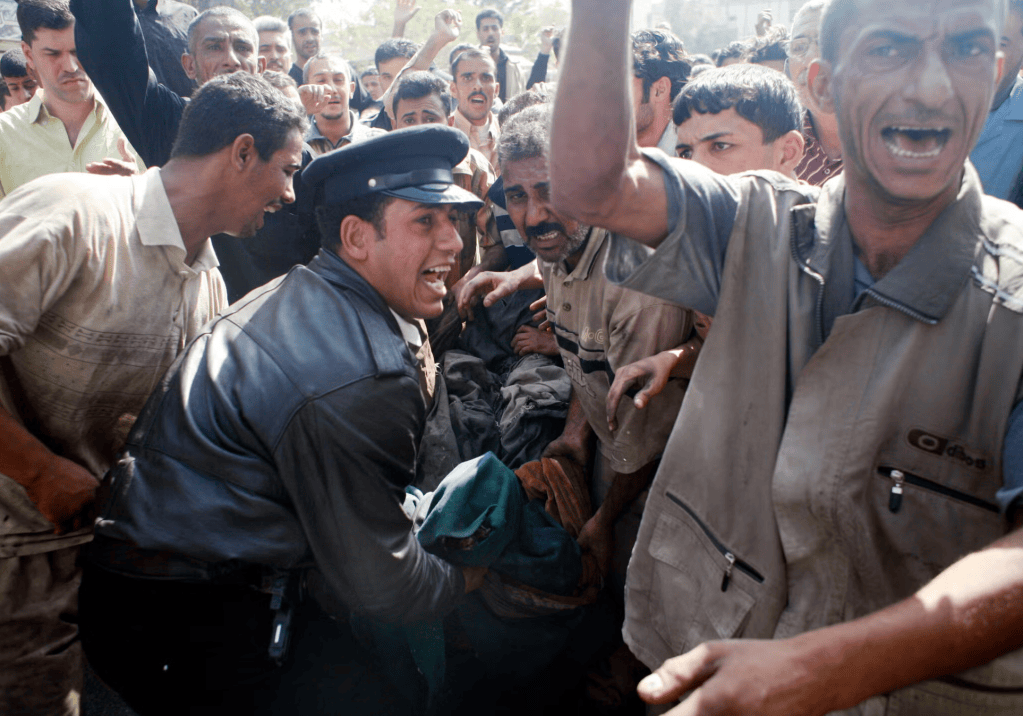
However, as they continued to follow the news coverage into the night, a reporter spoke with the grieving mother of one of the younger victims killed that night. Despite her immense sorrow and despair, she made a plea to the national team urging them to continue in honor of her slain son. She boldly exclaimed that she would not bury her slain son until the team took home the title.
Days later, carrying the battered yet resilient spirit of the nation, the Lions of Mesopotamia took the field in Jakarta to face Saudi Arabia in the final. The inspired and impassioned squad dominated the match against the more fancied Saudi team throughout the match.
In the 73rd minute Mulla Mohammed swung in a corner that found the head of Mahmoud. The captain rose above the defense and powered a header into the back of the net, sending the streets into of Baghdad into raptures. As the final whistle blew, hundreds of thousands of Iraqis defied the risk of bloodshed to take to the streets to celebrate. The Lions of Mesopotamia were champions of Asia.
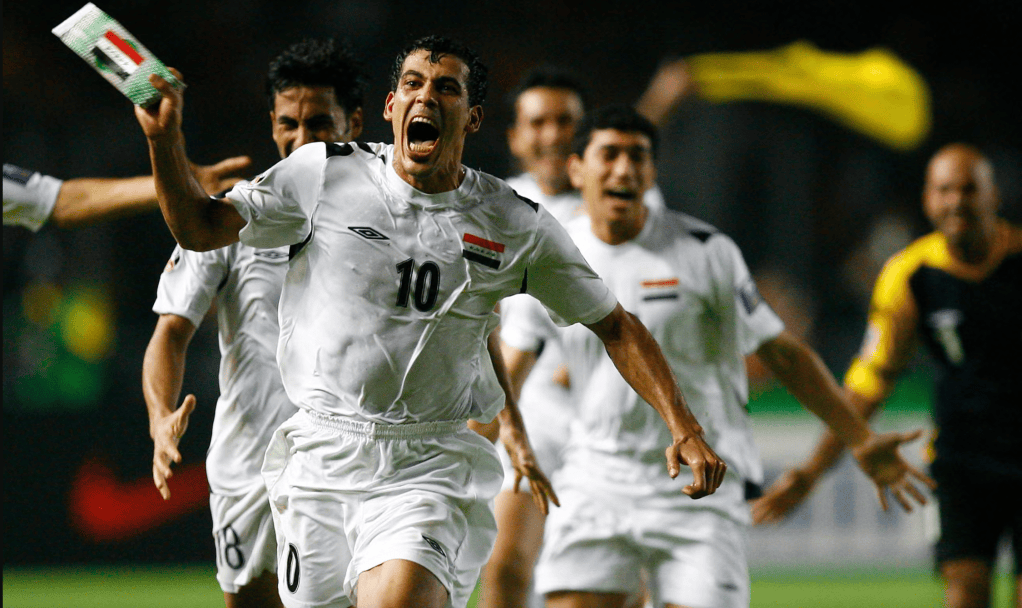
The 2007 Asian Cup triumph is seen as one soccer’s most stunning and improbable triumphs, up there with Leicester City’s 2015-16 Premier League title, and Greece’s victory at Euro 2004. Though the joy was only temporary, Jorvan resigned soon after due to the stress of the role, star players were denied visas to play at Premier League clubs, and the brutal conflict continued. But for once, the national team presented an idyllic version of a joyous, peaceful, and united Iraq.
Murders
Throughout the previous thirty years, Iraq has had a tendency to perform well at the Asian Cup regardless of the political or security situation at home. Beyond the historic 2007 triumph, the Lions of Mesopotamia had advanced out of the group stage at every Asian Cup since 1996 and even reached the semifinals of the 2015 edition. Yet throughout their 40-year absence from the FIFA World Cup, they struggled to mount a serious challenge for qualification until recent campaigns.
When former Australia head coach, Graham Arnold, was appointed to take charge of the Iraqi national team, the squad faced an uncertain future. They had just suffered a stunning 2-1 loss against Palestine, a defeat that threatened to derail what had been Iraq’s best performance in World Cup qualifying since 1986.
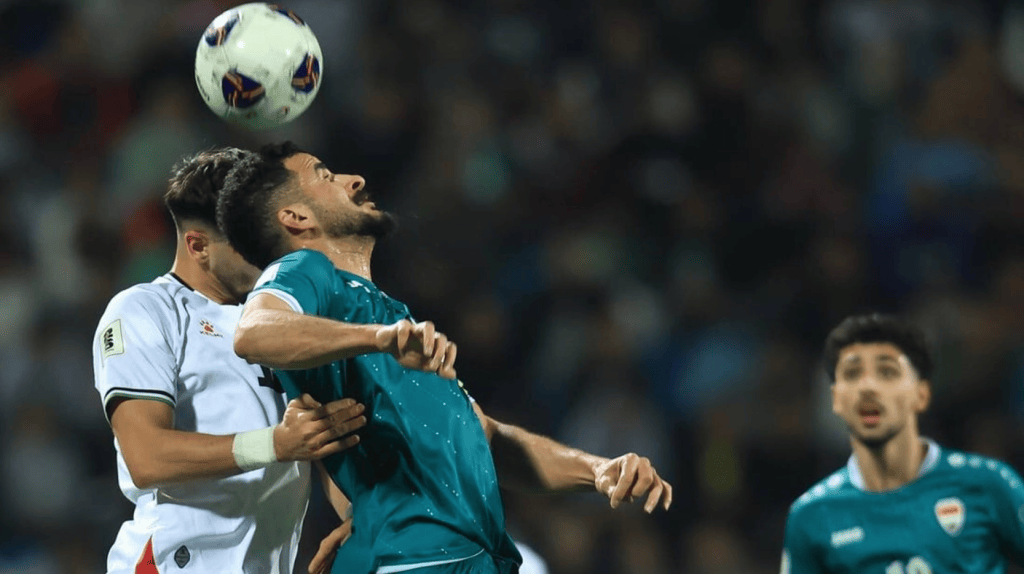
Luckily for the Iraqi team, they would close out the final three games of the Third Round of AFC qualifying with two wins and a tie, and overcome the United Arab Emirates in a home-and-away playoff. This meant that only a March match against Bolivia in Mexico stood in the way of the Lions of Mesopotamia and the World Cup.
Like the Iraqi teams that came before them, members of the current squad have had to overcome tremendous adversity and instability to represent their country on the global stage. What makes this group particularly unique is the extent to which it has been shaped by players raised overseas by Iraqi parents who fled the country to escape Saddam Hussein’s rule or the various conflicts that have plagued Iraq over the past several decades.
As an infant, striker Ali Al-Hamadi’s family fled to Liverpool during the early stages of the Iraq War after his father wa briefly imprisoned for taking part in a peaceful protest against Saddam Hussein’s regime. Zidane Iqbal was born in Manchester to an Iraqi mother who had fled the Gulf War, and Marko Farji was born in Norway to Iraqi Kurds who left Iraq to escape the Hussein regime’s persecution of the Kurdish people.
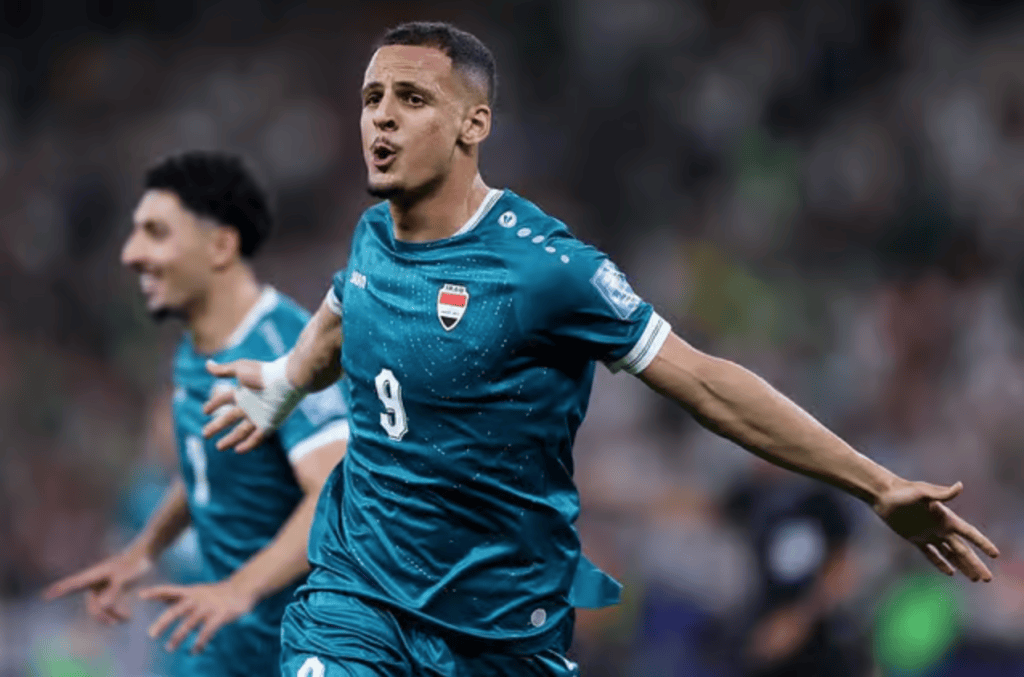
Then there is the tragic yet inspiring story of Iraq’s top striker, Aymen Hussein. Hussein was born and raised in the small northern Iraqi village of Al-Safra. At age 12, his father, a soldier in the Iraqi Army, was killed-in-action while fighting Al-Qaeda militants. Several years later, ISIL seized control of his village, and the area where Hussein grew up became a fierce battleground in the fight against the Islamic State.
His mother and siblings were forced to seek refuge in Baghdad after their family home was destroyed. Then his brother disappeared. It is believed that Aymen’s brother, a local police officer, was kidnapped by ISIS militants near Kirkuk when the terrorist group captured the city. To date, his whereabouts are unknown, and he is presumed dead.
As the team prepared for its decisive qualifying match, war once again threatened to undo its progress. In March, flights throughout much of the Middle East were grounded due to ongoing conflict and airstrikes in Iran and the Gulf states. This left the majority of the team stranded in Iraq without a safe means of departure.
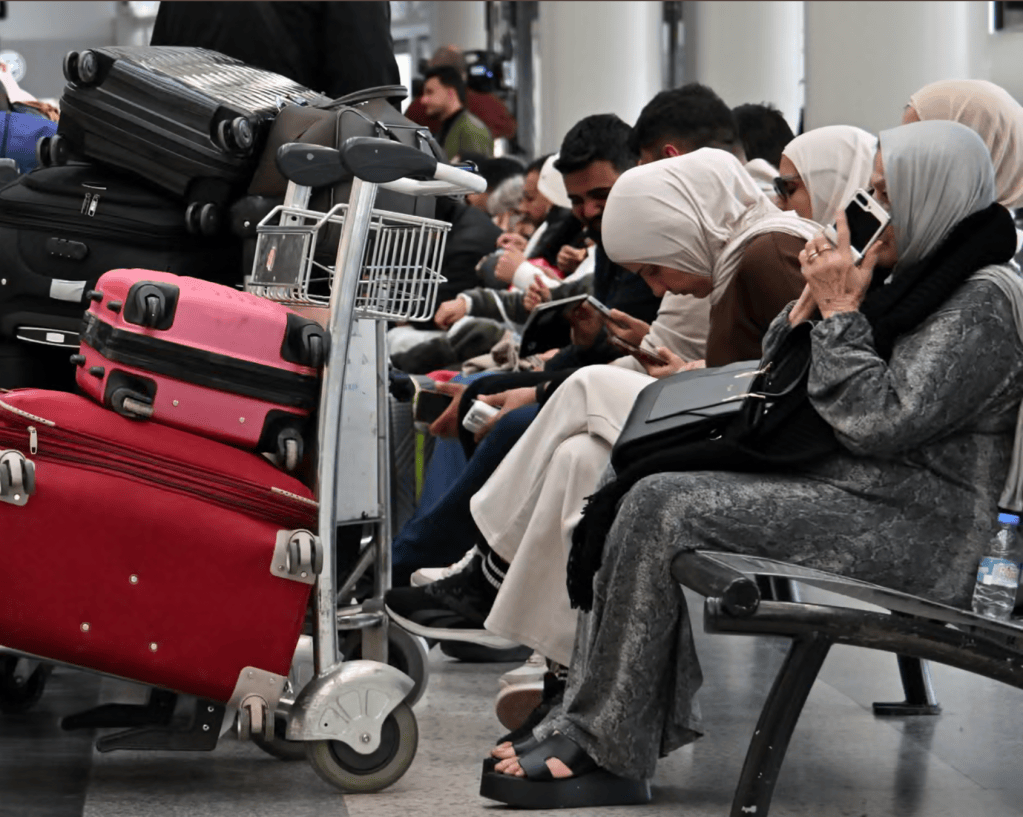
Compounding matters, the closure of embassies across the region made it difficult for some players to obtain the visas necessary to travel to Mexico. Graham Arnold, who had voluntarily moved to Baghdad upon after taking over as head coach, unsuccessfully petitioned FIFA to postpone the match and allow the entire team to leave the Middle East safely. There were even discussions of a 25-hour overland journey to Istanbul before boarding a 14-hour flight to Mexico.
In the end, the team was able to make the trip on time by undertaking a 10-hour overland journey to Amman before boarding a a FIFA-chartered private plane to Mexico. Despite the arduous travel, the Lions of Mesopotamia defeated Bolivia 2-1 behind goals from Ali Al-Hamadi and Aymen Hussein, finally ending Iraq’s 40-year World Cup exile.
In the end the team was able to make the trip on time by making a 10 land journey to Amman and then taking a FIFA-chartered private plane to Mexico. Despite the arduous journey, the Lions of Mesopotamia were able to defeat Bolivia 2-1 with goals from Al-Hamadi and Hussein, finally sending Iraq back to the World Cup.
When Lions Roar
So what’s the lesson in all of this? Yes, the national team is inspirational. Yes, its players have accomplished remarkable things despite enduring tremendous trauma and hardship. Yet Iraq continues to face significant challenges. Although the Islamic State was ultimately defeated by a combination of Iraqi and international forces in the late 2010s, insurgent militias still threaten the stability of Iraq’s young and imperfect democracy. Beyond its borders, regional instability, particularly in neighboring Iran, continues to create the risk of conflicts spilling into Iraq.
What about the national team itself? The Lions of Mesopotamia lost all three of their World Cup matches, departing North America as statistically the tournament’s worst-performing team being outscored 12-1. Furthermore, the competition provided another reminder of Iraq’s precarious geopolitical position when Aymen Hussein was detained and questioned for seven hours at Chicago O’Hare International Airport by U.S. Customs and Border Protection upon arriving in the United States.
The lesson lies in what the national team represents to its people and to the world. Iraq is not merely a team competing on the international stage; it is a reflection of what a united Iraq can look like. Despite the challenges Iraqis have endured, the national team embodies a resilience that seems deeply woven into the country’s identity, much as we’ve seen in other soccer stories from DR Congo, Côte d’Ivoire, and Colombia.
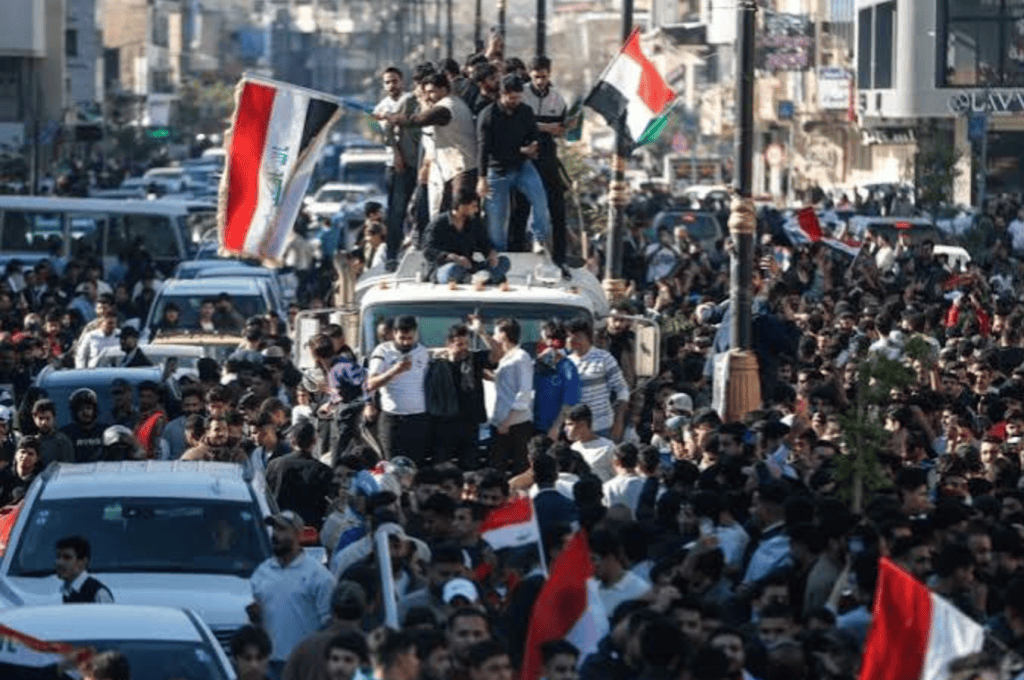
What makes this current squad especially unique is how it reflects the hopes not only of Baghdad, Mosul, and Basra, but also of Iraq’s diaspora communities around the world. From places like London, Sydney, and Dearborn, where Iraqi communities took to the streets in celebration as the team returned to the World Cup after four decades away.
Through soccer, Iraqis have showcased some of their country’s most admirable qualities: the ability to survive, adapt, and persevere despite war, displacement, and adversity. The story of the Lions of Mesopotamia is ultimately about far more than wins and losses. It is the story of a people who have repeatedly refused to break, no matter how many times history has tested them. Perhaps commentator Simon Hill said it best when the final whistle blew in Jakarta in 2007:
“Iraq are champions, the fairytale is complete. The team without a home base, the team without a coach until two months ago, the team left waiting in a hotel lobby for hours, the team that struggled to travel because of their passports, the team without hope has brought joy to its fractured nation. Football has perhaps succeeded where politics has failed.”


Leave a Reply