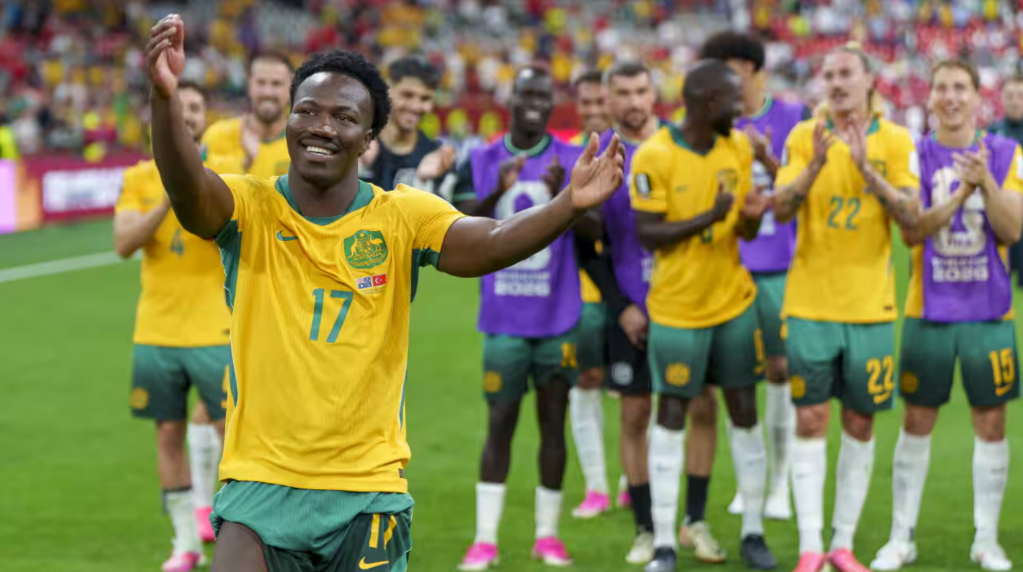
Prior to Saturday night’s clash between Australia and Türkiye in Vancouver, few in the international media fancied the Aussies. When the Socceroos were drawn into Group D alongside Türkiye, Paraguay, and the United States, American commentator Mike Grella reacted by exclaiming, “Layup!” In the lead-up to the match, Turkish captain Hakan Çalhanoğlu claimed that Türkiye had “more quality” and was “a more talented team,” adding that his side would “dominate” Australia.
However, despite early pressure from the Turks, Watford FC striker Nestory Irankunda latched onto a long pass, cut inside his defender, and rifled the ball into the lower-left corner of the net. The strike proved to be the first goal in an improbable 2-0 victory, and following his goal, Irankunda sprinted to the corner flag and mimicked the famous “boxer” celebration of former Socceroos legend Tim Cahill before being mobbed by his teammates.
Among those dogpiling onto the striker in jubilation were three players who shared a unique bond with the young goalscorer: Awer Mabil, Miloš Degenek, and Mohamed Touré. All four of these Aussie stars arrived in Australia as refugees. Fleeing conflicts in Africa and the Balkans, these players represent hope for the hundreds of thousands of refugees currently residing in Australia.
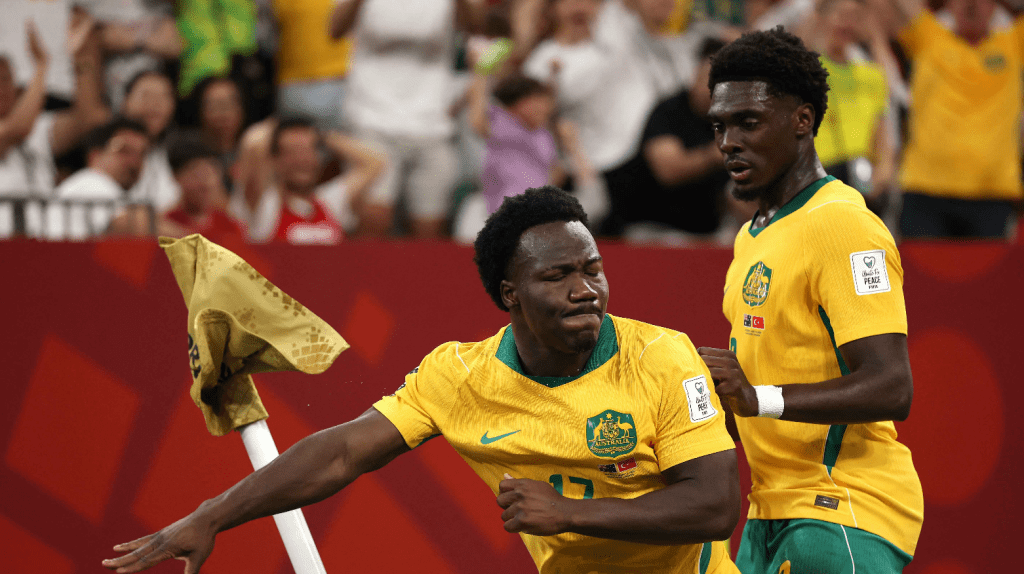
Of the 26 players on the team, 18 come from immigrant backgrounds representing at least 15 cultural and ethnic identities. Their diverse backgrounds also represent a new multicultural Australia that is inclusive of the millions of immigrants who call the Land Down Under home.
In many ways, this team serves as a counterweight to the steady rise of far-right sentiment. In a tragic irony, many who cheered on Irankunda and Touré as they led the Aussie attack against Türkiye are also prepared to vote in ways that threaten to further marginalize immigrants in Australia.
Yet this is nothing new. Soccer in Australia has long reflected the identity crisis of a nation built by immigrants and outcasts, one that often struggles to grapple with the fluidity of its national identity. This week’s Explaining Offsides will chronicle the stories of refugee footballers, provide an overview of soccer’s battle for respect in Australia, and explore how the sport’s growth reflects a progressive, inclusive, and multicultural society that is being threatened by old-world intolerance and the ghosts of the nation’s past.
Sheilas, Wogs and Poofters
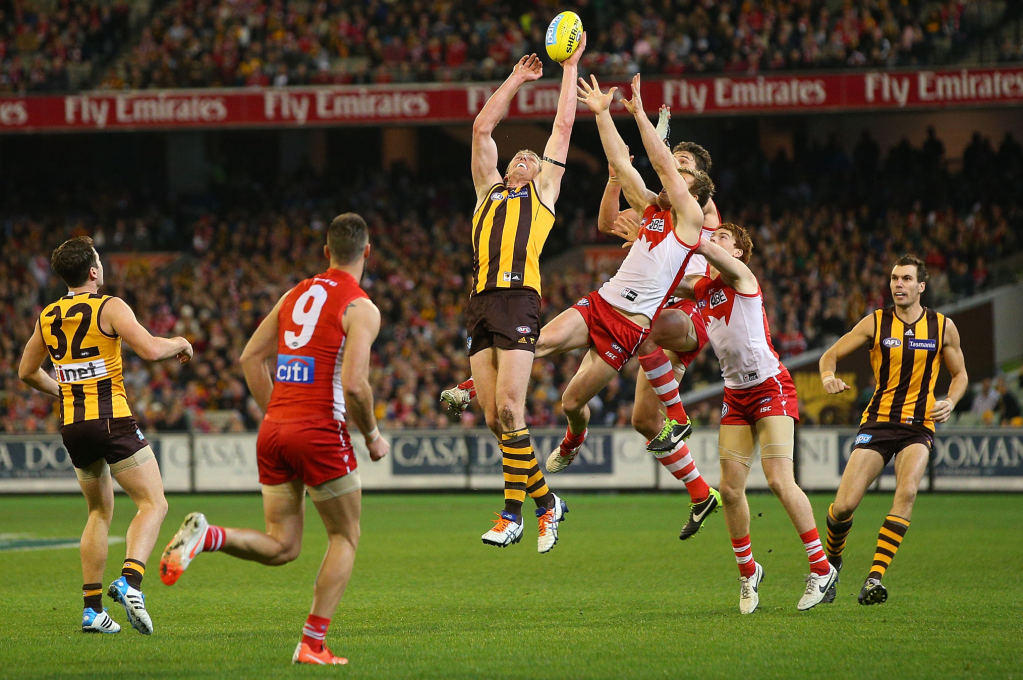
At face value, Australia’s soccer culture shares many similarities with that of the United States. Soccer in Australia must compete with more traditionally popular sports like Australian rules football, rugby, and cricket much in the same way soccer in America competes with American football, basketball, and baseball.
Like in the United States, the sport has surged in popularity in Australia in recent decades following the emergence of a golden generation in the mid-2000s that qualified for the nation’s first World Cup in decades leading to the launch of a new successful domestic league (though the MLS predates the A-League by a decade, as does the the 1990s U.S. squad). Australia is even grappling with its own pay-to-play model that restricts access to soccer to poorer, more marginalized communities.
However, the most striking similarity that soccer in Australia shares with soccer in the United States is the way in which the development of the sport has reflected a cultural battle between global influences and multiculturalism versus an isolationist and primarily-white status quo. The history of soccer in Australia can be summarized by the title of Johnny Warren’s, a figure who is considered by many to be the godfather of Australian soccer, 2002 autobiography, Sheilas, Wogs and Poofters. This title was controversial due to the use of slurs, but it captures the hostility that existed towards soccer in Australia throughout the 20th century.
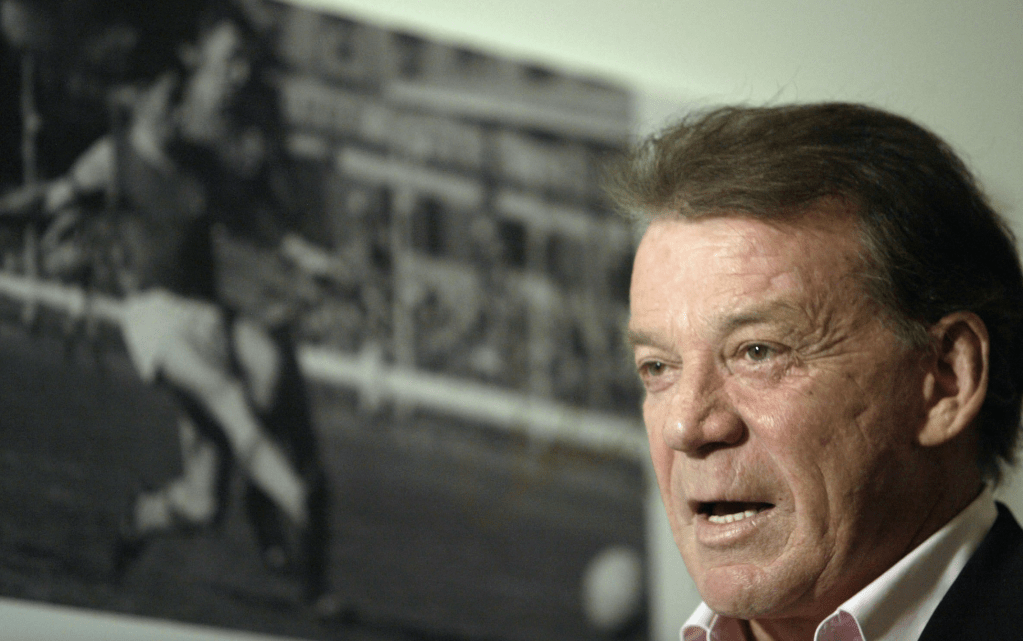
For a quick crash course in Australian slang a “sheila” is a colloquial term for a woman. Like in the United States, soccer in Australia had previously been seen as a sport that was primarily played by women. Similarly, “poofter” is a derogatory slur used towards gay men. Comparable to “f**gg*t” in the United States, it again plays on the stereotype of soccer as a more effeminate sport compared to Australian rules football and rugby in Australia, andAmerican football and basketball in the United States, sports which are perceived to be more macho.
Compared to the tired narrative of the “sissiness” of soccer, the final term, “wog,” is more interesting. A “wog” is a term that primarily refers to immigrants from the Mediterranean, particularly from Greece, Italy, the Balkans, the Middle East, and North Africa. It is originally a derogatory slur, however recent decades have seen immigrants repurpose and reclaim ownership over the phrase in Australian popular culture in a phenomenon termed “wogsploitation.”
From an anthropological standpoint, the settlement of Australia by White European settlers is a fairly recent phenomenon, whereas the aboriginal populations have existed on the island for tens of thousands of years (yet more similarities to the American experience). The Australian continent was first settled by foreigners in 1788 when Captain Arthur Phillip led a fleet of 11 ships carrying convicts from the United Kingdom to found the penal colony of New South Wales.
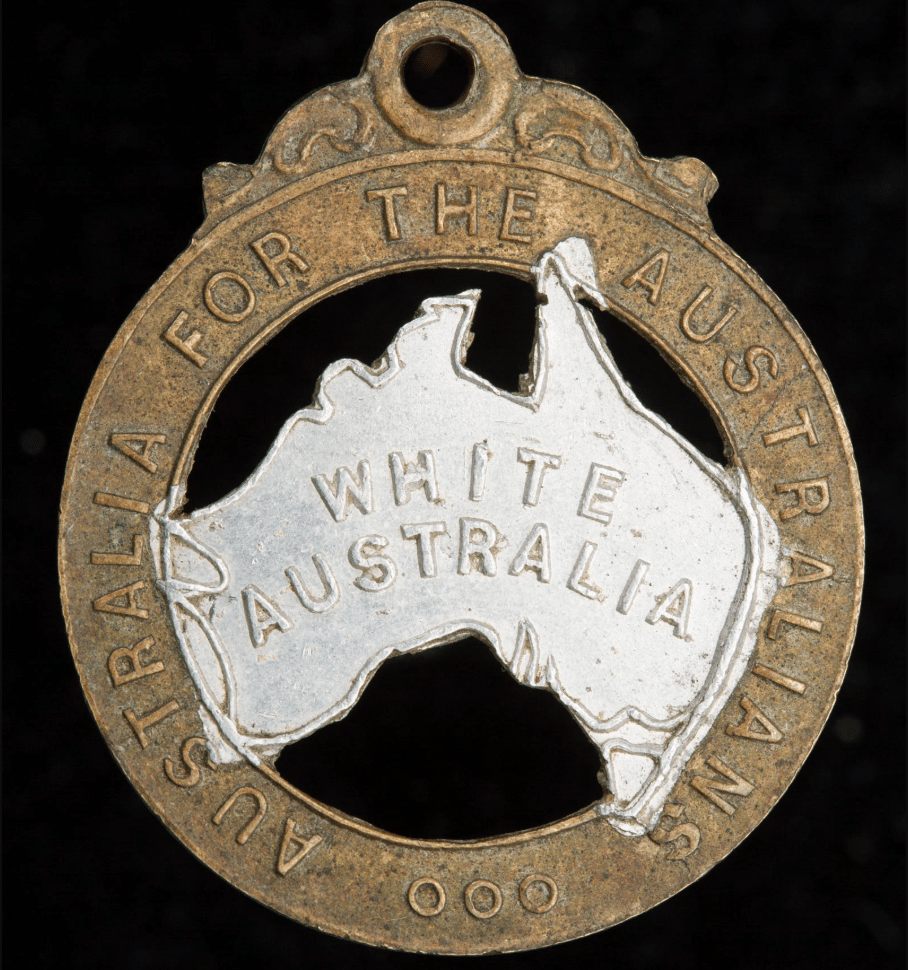
The white Anglo-Saxon protestant (WASP) would go on to subjugate the local native population, and they would go on to codify their supremacist ideology in the Immigration Restriction Act of 1901 which severely restricted the immigration of non-Anglo Saxon people while encouraging the emigration of Brits to Australia, beginning a dark period of multicultural suppression known as “White Australia.” American readers may be reminded of the genocide of Native Americans and exclusionary immigration policies such as Chinese Exclusion Act of 1882.
This began to change following World War II, when the Australian government scaled up its immigration program. Though British immigrants continued to be prioritized with over a million immigrants from the UK arriving in Australia in decades following the global conflict, Australia also began to admit more immigrants from Mediterranean European countries. Thus, many Italian, Greek, Baltic, and Balkan populations began to migrate to Australia en masse to flee the ruins of post-war Europe.
It’s in these migrant, some-may-say-refugee communities that the foundations of Australians plant its roots. Immigrant communities, particularly from Mediterranean countries, began to form local soccer clubs that represented their ethnic communities. In Sydney alone, Italian immigrants formed Marconi Stallions, and Greeks supported Sydney Olympic. Croatians supported Sydney Croatia who rivaled the Serbian community’s Avala Sports Club. The Hungarians had St. George Budapest, and the Jewish community rallied around Sydney Hakoah. Though these clubs were stalwarts of these immigrant communities and were crucial in keeping soccer alive in Australia, they also had the side effect of reinforcing the narrative that soccer in Australia was for foreigners, not Australians.
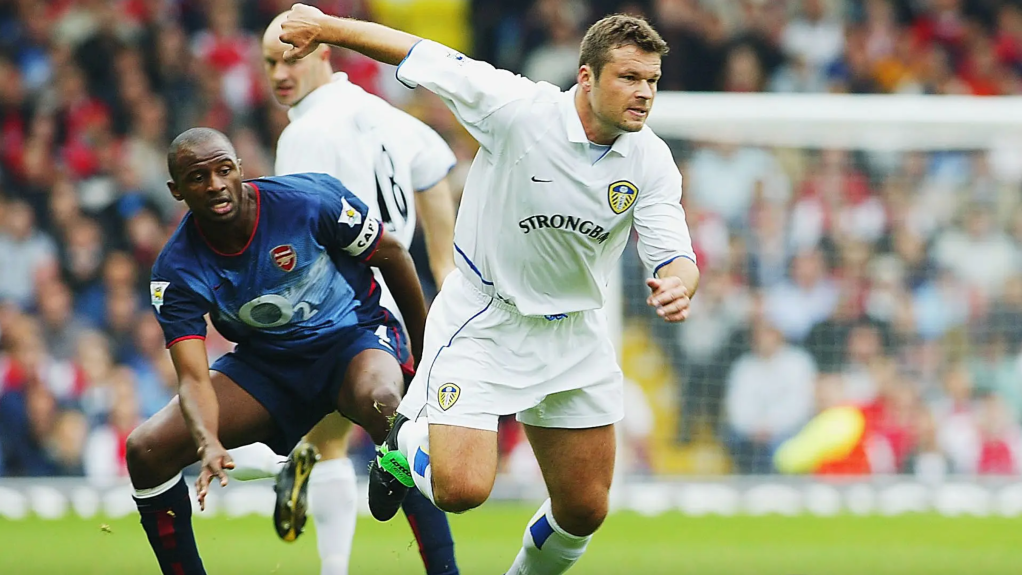
However, this gap would slowly close in the latter half of the 20th century with the governments of Prime Ministers like Harold Holt and Gough Whitlam would abolish the discriminatory policies of White Australia and work to establish a more cohesive and inclusive national Australian identity. Additionally, Australian soccer players began to improve and achieve success overseas in the 1990s and 2000s with players like Harry Kewell, Mark Viduka, and Mark Schwarzer finding success in the Premier League, Bundesliga, and Serie A.
This all culminated in the mid-2000s when the Australian Football Federation finally established a fully professional, non-ethnic league called the A-League, and the Socceroos finally qualified for the World Cup in 2006 for the first time in over three decades following a brutal string of heart-breaking failed qualification campaigns. Australia advanced to the Round of 16 at that tournament and have qualified for every subsequent World Cup.
Refugee FC
While immigration to Australia occurs for many of the same economic and political reasons that drive migration to other Western nations, Australia’s immigration policies have historically been more welcoming toward refugees. Between 2012 and 2022, Australia recognized or resettled more than 180,000 refugees, and since the end of World War II, the country has welcomed more than one million refugees, contributing to its current population of 8.8 million foreign-born residents out of a total population of 27 million.
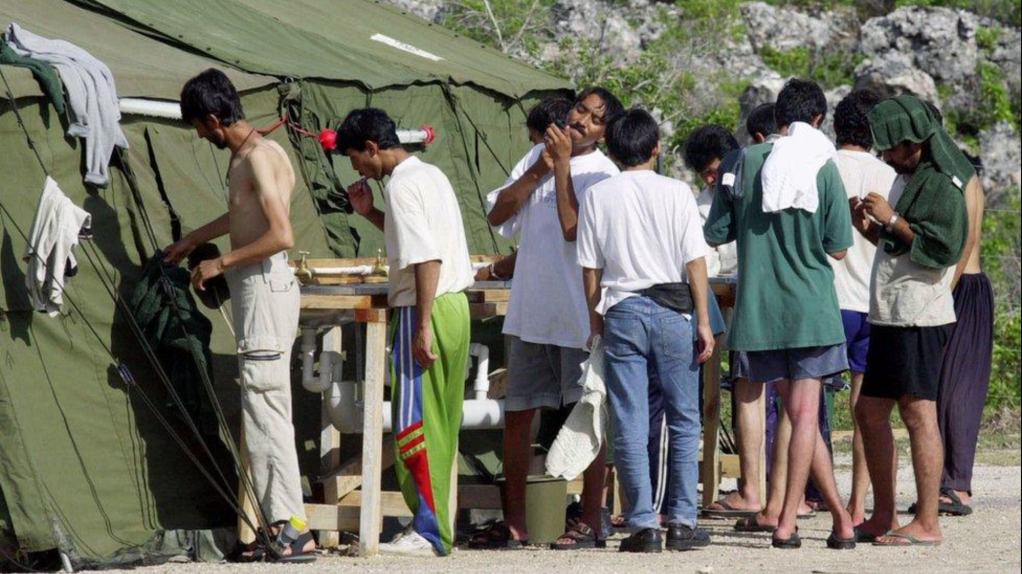
Many Mediterranean migrants who arrived in the postwar years were escaping the difficult conditions of countries devastated by conflict and struggling to rebuild. Many Central and Eastern Europeans were fleeing political repression and economic hardship behind the Iron Curtain. More than 150,000 Vietnamese, Cambodian, and Laotian refugees arrived in Australia in the two decades following North Vietnam’s capture of Saigon and the Khmer Rouge’s brutal rule in Cambodia. Today, hundreds of thousands of African and Middle Eastern migrants have settled in Australia, including more than 20,000 Sudanese refugees.
Sudan, and particularly South Sudan, is where the family of Socceroos midfielder Awer Mabil traces its roots. Born in the Kakuma refugee camp in Kenya, Mabil’s parents had fled the Second Sudanese Civil War. As a child, he played on dirt patches, fashioning plastic bags, clothes, and balloons into makeshift soccer balls.
Mabil and his family eventually settled in Adelaide when he was 10 years old. He progressed through Adelaide United’s youth system before moving to Europe, where he featured for clubs in Spain, Denmark, and Switzerland. He even scored on his Socceroos debut against Kuwait in 2018, with the goal assisted by fellow South Sudanese refugee Thomas Deng.
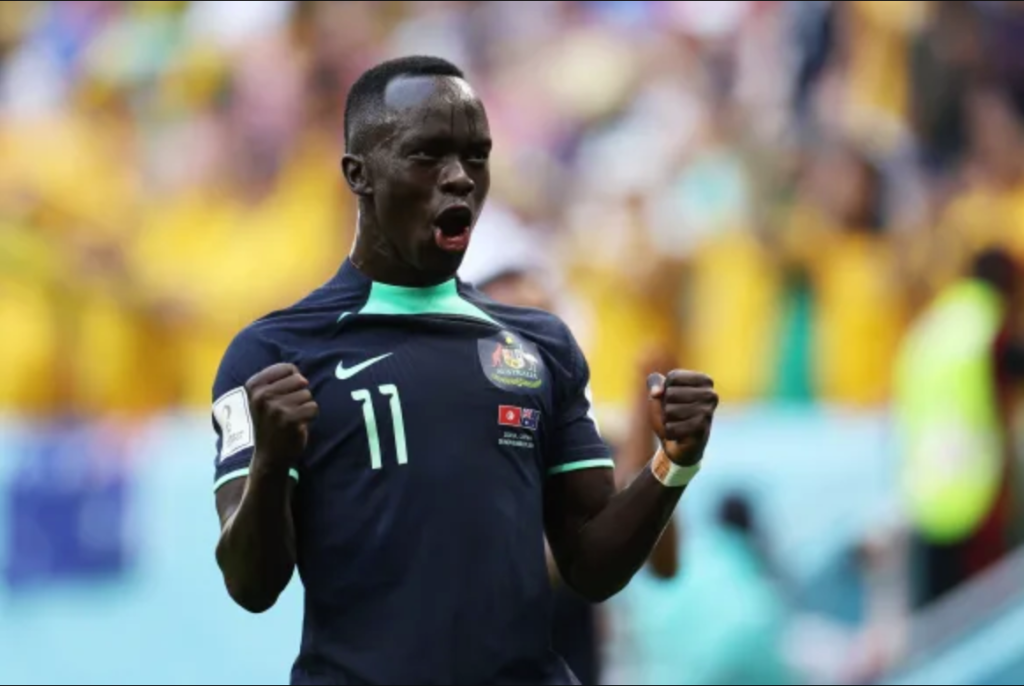
Mabil and Deng opened the door for other African refugee footballers to star for Australia’s national team, and when the Socceroos lined up against Türkiye last weekend, the attack was led by two other inspiring forwards who made Australia their home.
Mohamed Touré was born in a refugee camp in Guinea to Liberian parents who had fled the First Liberian Civil War, a conflict that claimed more than 200,000 lives. His family arrived in Adelaide when he was only a few months old. Like Mabil, Touré developed in Adelaide United’s academy before he and his two brothers moved to clubs in Europe. Mohamed has since played in France, Denmark, and now England.Touré led the line against Türkiye, and when 20-year-old Nestory Irankunda fired home Australia’s opening goal, Touré was the first to join him in celebration.
Irankunda was born in Kigoma, in western Tanzania, near Lake Tanganyika, which separates the East African nation from Burundi. His parents fled Burundi to escape a brutal civil war, and like Mabil and Touré, Irankunda settled in Adelaide as an infant before advancing through Adelaide United’s youth ranks.
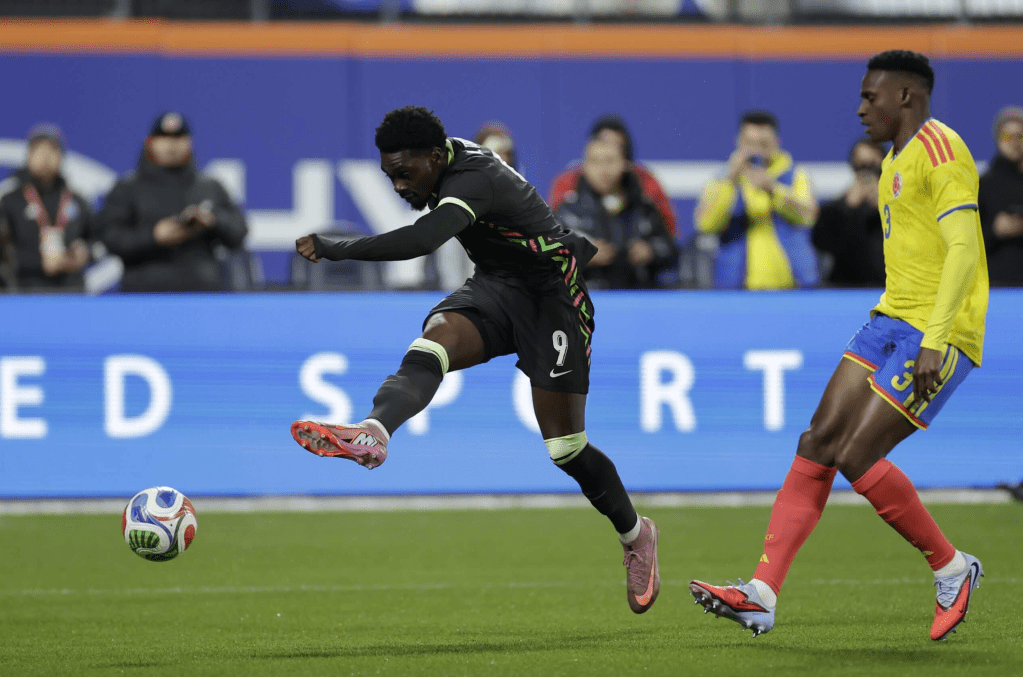
A precocious talent, Irankunda signed for Bayern Munich at the age of 17 after emerging as a teenage sensation for Adelaide United’s senior side. Though he never made a competitive appearance for the Bavarian club, he joined Watford following an impressive loan spell with Grasshopper Club Zürich in Switzerland.
The Socceroos have also featured refugee players from Europe, particularly as tens of thousands of Balkan refugees fled to Australia during the 1990s to escape the Yugoslav Wars and joined Australia’s already sizable Balkan communities. Centre-back Miloš Degenek, now appearing in his third World Cup for the Socceroos, was born to Serbian parents in Knin, Croatia.
Part of a large Serbian diaspora in Croatia, Degenek’s family fled the city when he was an infant during the Croatian War of Independence. Degenek arrived in Sydney at the age of six and developed through the Australian Institute of Sport before embarking on a journeyman career across clubs in Germany, Japan, Serbia, Saudi Arabia, the United States, and Cyprus.
One Nation Divided
The success of a multicultural Socceroos team stands in stark contrast to the rise of anti-immigrant sentiment in Australia in recent years. Indeed, the growth of multiculturalism has not been without periodic setbacks.
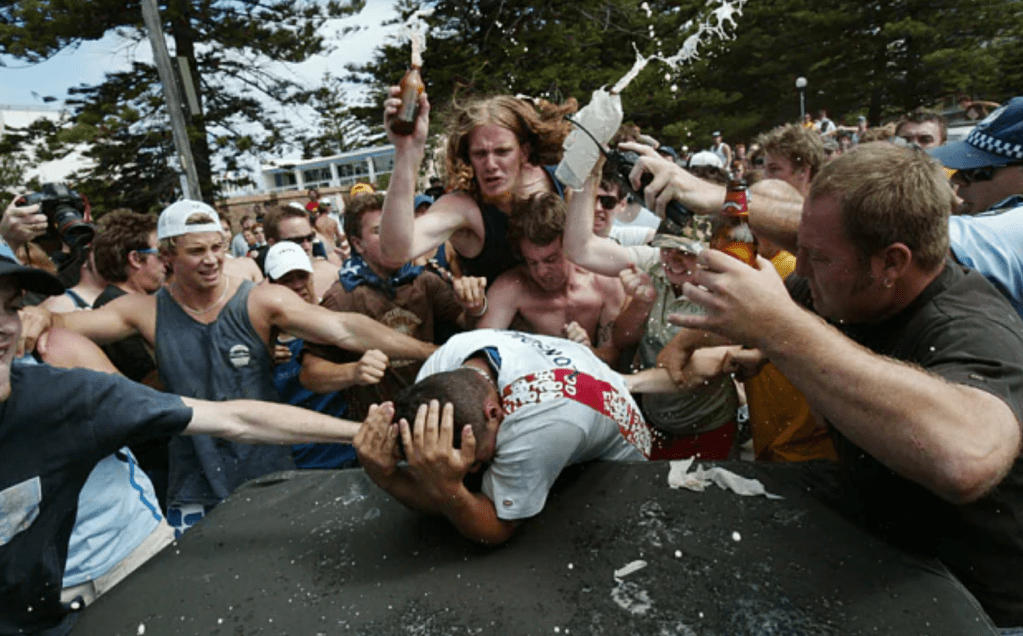
Less than a month after Australia’s golden generation qualified for the 2006 FIFA World Cup for the first time in 32 years, riots broke out at Sydney’s Cronulla Beach, where more than 5,000 white nationalists gathered to protest tensions between white and Middle Eastern communities in the city. The unrest led to more than 100 arrests and tarnished the international reputation of the Cronulla area. More recently, social media threats were directed at foreign residents in Australia following the 2025 Bondi Beach attack that claimed 15 lives.
Existing racial tensions, combined with the steady rise of far-right political movements worldwide, have contributed to increased support for Australia’s nationalist party, One Nation, and its polarizing founder, Pauline Hanson. Hanson’s recent surge in support mirrors trends seen among populist figures overseas, such as Donald Trump, Boris Johnson, and Marine Le Pen. Political stagnation, growing economic inequality, shifting demographics, anxieties surrounding globalization, and unresolved tensions over immigration have all contributed to this broader phenomenon.
Hanson’s campaign promises have raised concerns within Australia’s traditional political establishment. One Nation has indicated that, if elected to power, it would seek to withdraw Australia from the United Nations, the World Health Organization, the World Economic Forum, and other multinational institutions. The party has also pledged to reduce welfare spending, defund multicultural programs, abolish the National Indigenous Australians Agency, and roll back climate initiatives.
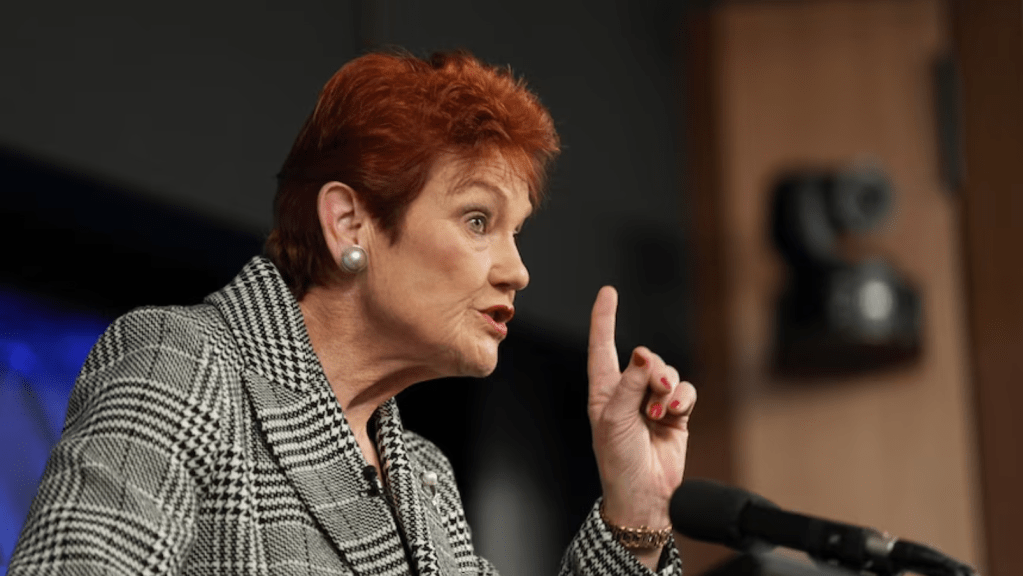
On numerous occasions, Hanson and members of the One Nation party have made statements that critics argue have inflamed racial tensions. Lowlights include Hanson’s warning in the 1990s that Asians were “swamping” Australian suburbs, calls for a royal commission into Islam and restrictions on mosque construction based on claims that Muslims were bringing the “threat of terrorism” to Australian streets, and an incident in which four One Nation senators turned their backs during an acknowledgment of Indigenous peoples in Parliament.
It is difficult to ignore the contrast between the success of Australia’s national team and the rhetoric of One Nation. Had the party’s immigration policies been in place over the past four decades, it is unlikely that Irankunda, Touré, Degenek, and Mabil would have been able to settle in Australia. Hanson has pledged to withdraw Australia from the 1951 Refugee Convention and raise the residency requirement for citizenship from four to eight years.
Yet on June 14, the same day the Socceroos‘ refugee-led attack lifted Australia to victory over Türkiye, a poll published by The Sydney Morning Herald and The Age indicated that, for the first time, Pauline Hanson was the preferred prime ministerial candidate among the largest share of respondents, at 31 percent. The juxtaposition is striking. Many Australians who celebrated Irankunda’s goal against Türkiye may also support policies that could make it more difficult for future refugees to enter Australia and fully participate in Australian society.
Stoppage Time
Days before the start of the World Cup, the Australian national team released a powerful video in which the players declared their pride in Australia while also acknowledging the team’s diversity. Each player in the video uttered the phrase, “No matter where you come from, football is for everyone.” Other players chimed in with their own declarations about how the team represented Australia, with Jason Geria saying, “The Socceroos are the best representation of what Australia is,” and Jackson Irvine firmly stating, “The Socceroos are not just a team; we are a representation of modern Australia.”
As the team takes on the United States later today, they know they will do so with the majority of Australians not only celebrating their achievements but also recognizing their dignity as Australians. The feeling is mutual, with both Mabil and Touré discussing how they view their performances as a way to thank and give back to a nation that has given them everything. Reflecting on the impact of the video, Mabil summarized what his adopted country means to him:
“It was a moment to describe what Australia is, and Australia is a very multicultural country, and that’s what makes it the best country in the world, in my opinion. You have the whole world in one place and the Socceroos now are a representation of that. You have many different backgrounds representing one jersey.”

 Explaining Offsides
Leave a comment