On December 1, 2022, Morocco defeated Canada 2–1 to top Group F at the 2022 FIFA World Cup. In the press box, Alper Bakırcıgil was calling the game for TRT, Türkiye’s national broadcaster. Morocco had effectively put the game to bed with two goals in the opening 25 minutes, with Hakim Ziyech intercepting a poor pass from the Canadian goalkeeper and chipping the ball into the net just four minutes into the match.
While Ziyech’s opener came early, it was not the fastest goal in World Cup history. Bakırcıgil used the opportunity to remind viewers that at the 2002 FIFA World Cup, Turkish striker Hakan Şükür had opened the scoring just 10.8 seconds into Türkiye’s third-place playoff against co-host South Korea. Şükür was a legend of Turkish soccer, scoring 51 goals in 112 appearances for the national team and taking Türkiye to previously unimaginable heights in the process.
In theory, it would have been perfectly logical for a Turkish commentator to refer to Şükür during a World Cup broadcast, given the striker’s legacy at the tournament. However, attentive viewers of the TRT broadcast may have noticed a different voice taking over in the second half. Bakırcıgil was no longer in the commentary booth. The commentator later posted on Twitter that he had been fired at halftime, in what many deduced was retaliation for mentioning Şükür, now labeled a “terrorist” by the Turkish government, during the broadcast.
This week’s edition of Explaining Offsides will explore how Erdoğan’s government has exploited soccer as one of its most powerful soft-power tools, built a cult of personality around the president’s increasingly autocratic leadership, and attempted to erase the legacy of Türkiye’s greatest-ever soccer player, who has since become a national persona non grata.
Building A Brand
Prior to the mid-1990s, Türkiye’s footballing history had been relatively unassuming, with a group stage exit at the 1954 World Cup representing the national team’s only appearance at a major tournament. However, Turkish soccer began to experience a renaissance during the 1990s and 2000s. The national league, the Süper Lig, developed rapidly as more lucrative and better-structured broadcasting rights generated greater investment in the league.
This influx of money allowed Turkish clubs to attract better talent and invest more heavily in their organizational structures. Turkish teams began to perform better on the international stage, and the national team qualified for the 1996, 2000, and 2008 European Championships, reaching the semifinals in the 2008 edition.
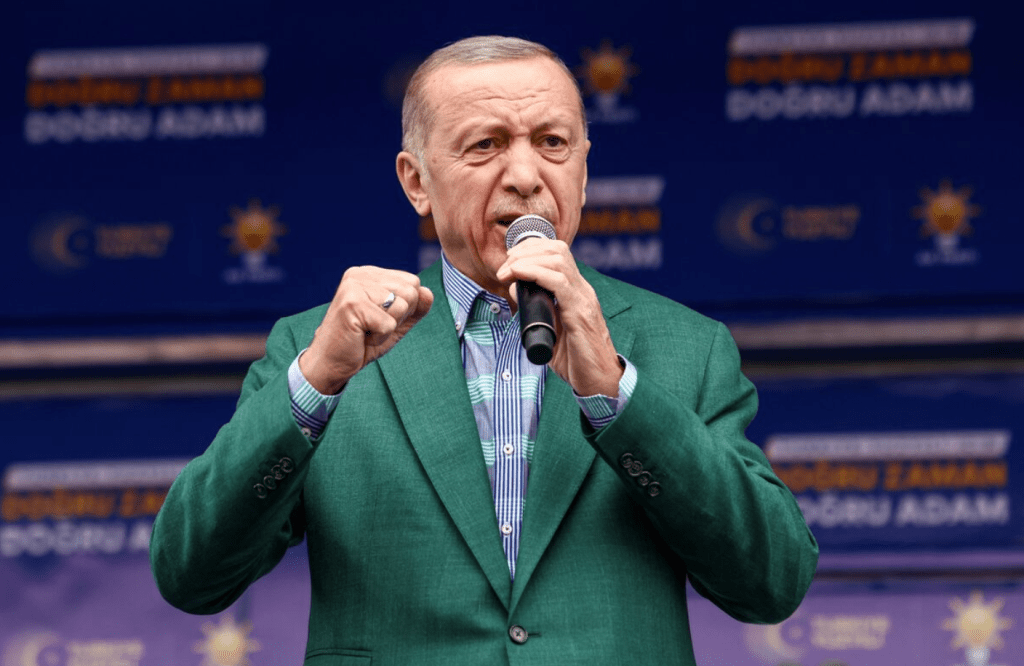
The rise of Turkish soccer in the 1990s and 2000s also coincided with the rise to prominence of current President Recep Tayyip Erdoğan. Following his election as mayor of Istanbul in 1994, Erdoğan quickly climbed the national political ladder and was elected Prime Minister of Türkiye in 2002. He was elected president in 2014, and proceeded to consolidate executive power ever since. The most notable episode of this power grab was a contentious 2017 referendum that abolished the position of prime minister and institutionalized a strong executive presidency.
Erdoğan’s profile as an openly devout Muslim was considered somewhat taboo in a country that had long enshrined the secularist principles espoused by the republic’s founding father, Mustafa Kemal Atatürk, during the 1920s and 1930s. However, Erdoğan positioned himself as a pro-European Union reformer, and his commitment to commercialization proved highly popular with investors and businesses.
Between 2002 and 2007, Türkiye’s economy grew by an average of 7.2 percent annually, and it rebounded strongly from the 2007-2008 global financial crisis, registering 9.2 percent growth in 2011 alone. As a result of this steady economic growth, Erdoğan became an increasingly popular political figure, with his Justice and Development Party (AKP) gaining a significant foothold in parliament through sweeping electoral victories during the first decade of his rule.
Erdoğan’s government and its hyper-commercialization policies have been especially influential in Turkish soccer. Süper Lig clubs embraced his neoliberal approach through the implementation of electronic advertising boards, corporate stadium naming rights, and expanded merchandising practices typical of the modern game. In some cases, commercialization extended even further, with banner advertisements appearing during matches and sponsors featured more prominently on jerseys than player names.
The AKP government also embarked on the construction of new stadiums and sports facilities throughout the country as part of its aggressive urban development mega-projects, with 18 new professional stadiums built between 2007 and 2015. The government used these projects to further entangle itself in the operations of major soccer franchises and, critics argue, enrich influential sponsors and financial backers through blatant cronyism.
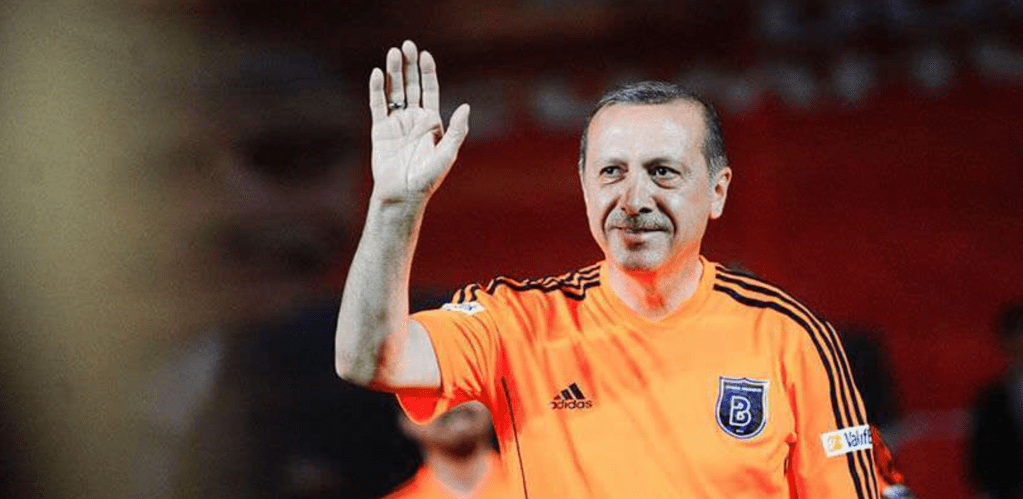
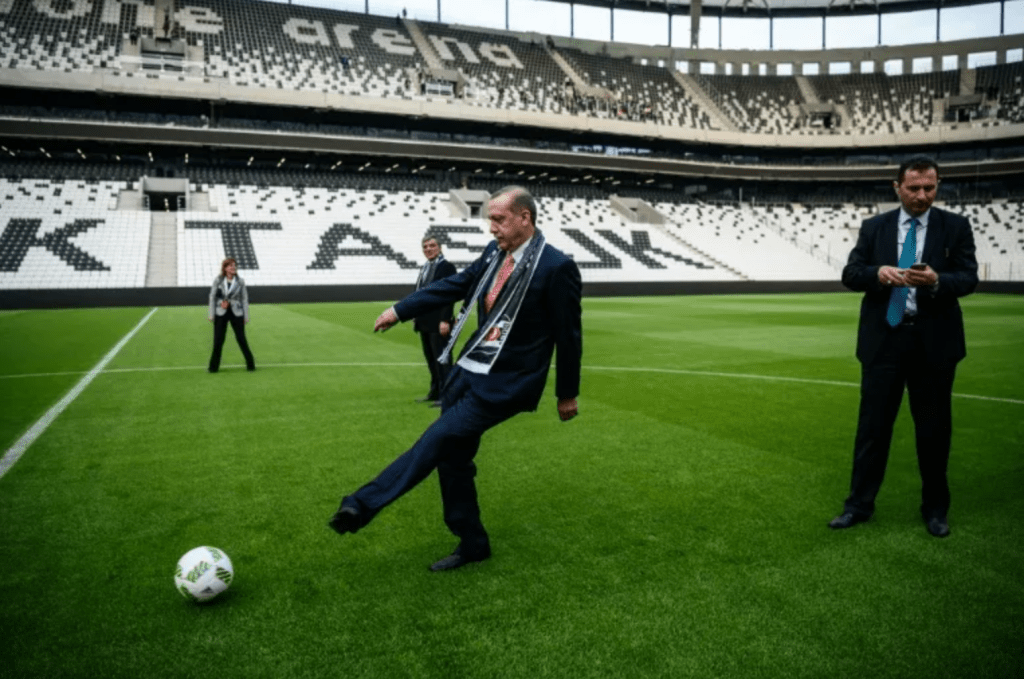
Beyond economic and sporting development, Erdoğan has also used soccer to bolster his macho image and cultivate a cult of personality. He is frequently seen attending the openings of new stadiums and participating in soccer-related events. Notably, Erdoğan scored a surprisingly skillful 15-minute hat trick during a friendly match celebrating the opening of a new stadium in Istanbul. His second goal was a deft chip over the goalkeeper into the upper corner of the net.
However, Erdoğan’s influence extends beyond his own external image, but into club structures themselves. Istanbul Başakşehir, a team that challenged the dominance of the Üç Büyükler (“Big Three” clubs – Galatasaray, Beşiktaş, and Fenerbahçe) during the 2010s, became heavily linked to Erdoğan and the AKP during its most successful period. Başakşehir president Göksel Gümüşdağ is a prominent Erdoğan ally, an AKP member, and the brother-in-law of Erdoğan’s wife. The club’s biggest sponsor, Medipol, was founded by Türkiye’s former Minister of Health and Erdoğan’s personal physician, Fahrettin Koca.
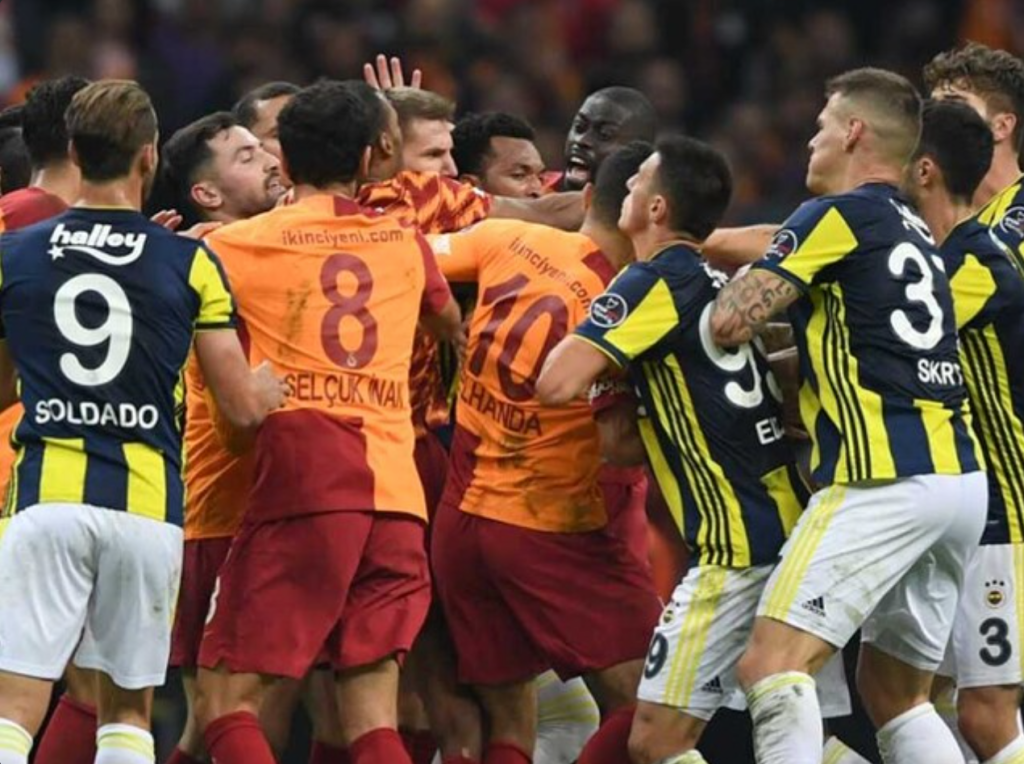
The emergence of Başakşehir privately-owned club is seen by some as an effort by the AKP to upset the power balance of the Üç Büyükler which are member-run associations. Fans of the Big Three clubs have, on occasion, found themselves at odds with the Erdoğan government, most notably when they played a prominent role in organizing the anti-government Gezi Park protests in 2013 which saw over three million citizens take to the streets around the country to voice their frustrations with the AKP government.
This performance contributed to Erdoğan’s disputed claim that he had been a semi-professional soccer player before entering politics. In earlier interviews, he stated that he played as a striker for IETT Spor, the corporate team of Istanbul’s transit authority, and even claimed that he had once been on the transfer shortlist of one of Türkiye’s biggest clubs, Fenerbahçe.
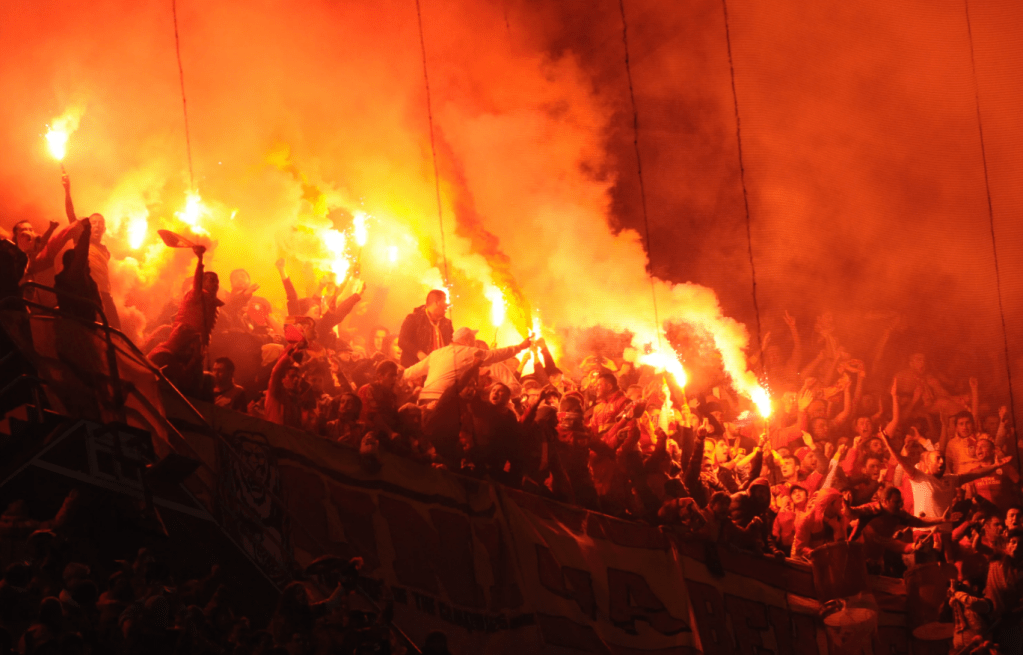
Big Three supporters have also been very vocal in their disapproval of the Süper Lig’s controversial and invasive e-ticketing system, Passolig. League will argue that Turkish fans, famous for their intense passion, have had ugly incidents in which matches have turned to violence, with the fatal stabbing of two Leeds United fans during Galatasaray’s 2000 UEFA Cup run proving to be Turkish soccer’s darkest moment. However, fans argue that the primary purpose of Passolig is to double as a fan data collection and surveillance platform that monitors supporters that may express dissenting views to the AKP government.
In a manner reminiscent of Jair Bolsonaro’s ties to Brazilian soccer stars, Erdoğan has also frequently associated himself with high-profile Turkish players. Prior to the 2018 FIFA World Cup, Erdoğan caused controversy when he met with Mesut Özil and İlkay Gündoğan, German national team players of Turkish descent. Both players faced criticism from politicians and pundits for meeting with the Turkish president in the aftermath of the arrest of German journalist Deniz Yücel in Türkiye the previous year. Erdoğan was further criticized for attempting to court the support of the 1.2 million eligible Turkish voters living in Germany ahead of Türkiye’s 2018 general elections. Erdoğan later served as Özil’s best man at the footballer’s wedding, and the 2014 World Cup winner would eventually join the AKP following his retirement from professional soccer.
Many current and former national team players have also publicly pledged loyalty to the Turkish president. Current captain Hakan Çalhanoğlu voiced support for Erdoğan’s controversial 2017 referendum. Former national team and FC Barcelona star Arda Turan has frequently backed Erdoğan on social media, and the president personally defended Turan following a poor performance at the 2016 European Championships. Erdoğan also attended the midfielder’s wedding.
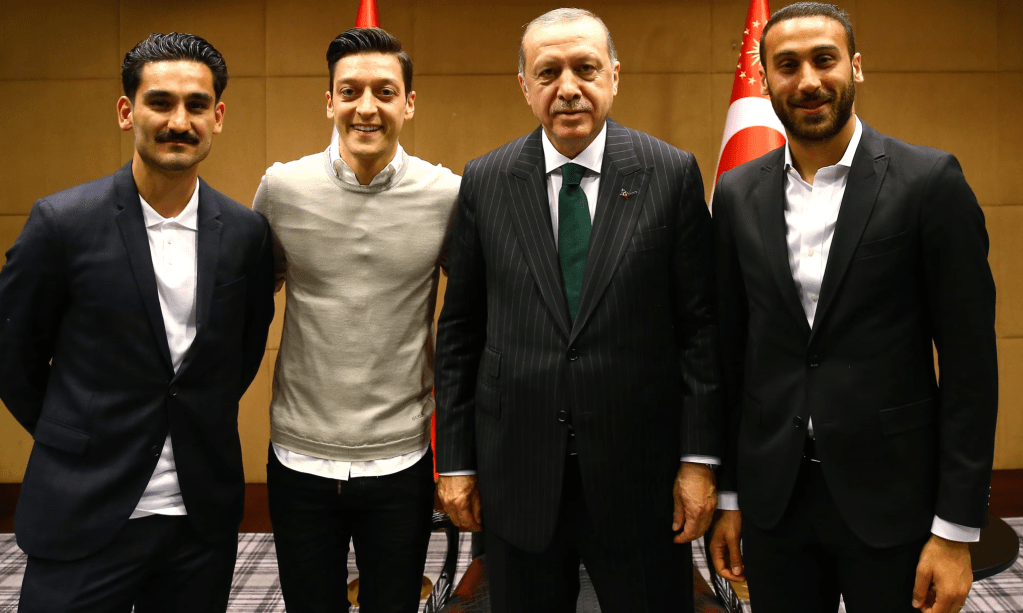
Finally, when striker Merih Demiral celebrated Türkiye’s victory over Austria at the 2024 European Championships by making the “wolf symbol” with his hand, a gesture viewed by some as associated with Turkish ultranationalism and the far right, he received a two-match ban. Erdoğan quickly came to Demiral’s defense, accusing UEFA of persecuting the player for his political beliefs and expressions of Turkish pride.
At every opportunity, the Turkish president has exploited soccer’s influence in Türkiye to bolster his public image. As journalist Nick Miller wrote in The Athletic, “while many political leaders use football for their own purposes, there are few who do so with more enthusiasm than Erdoğan.”
Erasing A Hero
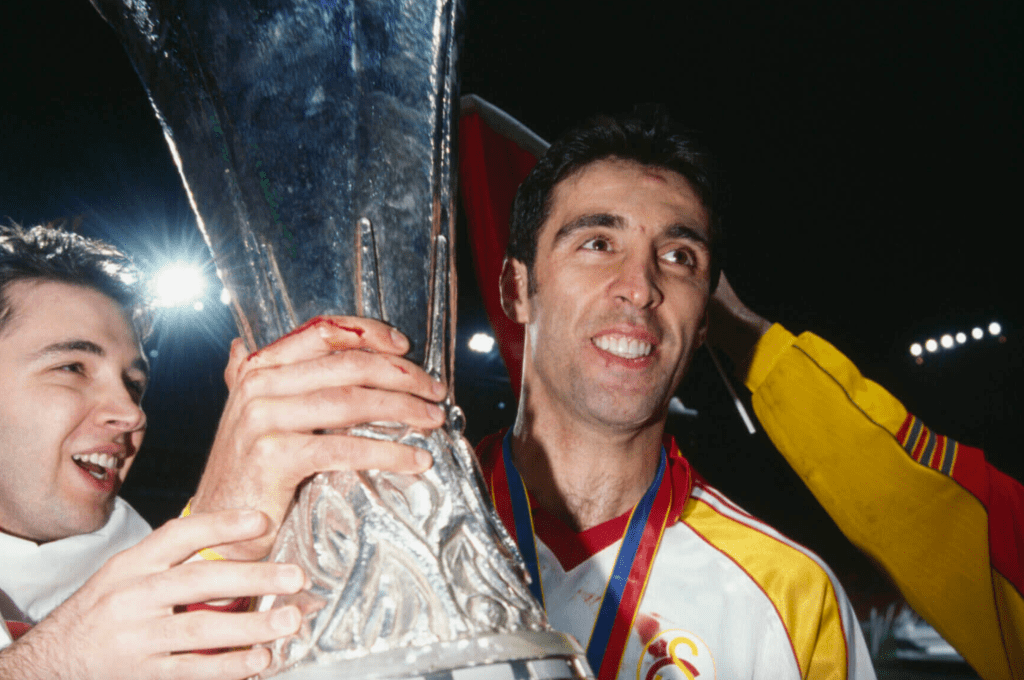
Entering the 2002 FIFA World Cup, Hakan Şükür was already a hero of Turkish soccer. Following a short spell in Italy’s Serie A with Torino, Şükür moved to Galatasaray and made an immediate impact. Galatasaray won four consecutive Süper Lig titles between 1996 and 2000, with the “Bull of the Bosphorus” scoring a combined 104 league goals during that period. This remarkable run culminated in Galatasaray winning the 2000 UEFA Cup, defeating Arsenal in the final. The triumph remains the only major European title won by a Turkish club.
Following two more brief stints in Italy with Inter Milan and Parma, Şükür led Türkiye into the World Cup with modest expectations. Simply qualifying for their first World Cup in 48 years was already viewed as a major achievement for the Şükür-led side. However, after a spirited 2-1 defeat to Brazil and a 1-1 draw against Costa Rica, Türkiye rattled off three consecutive victories against China, Japan, and Senegal to improbably reach the semifinals.
Despite being eliminated in the semifinals in another close lose to Brazil, the Turkish squad proved its quality on the global stage, with Şükür emerging as one of the tournament’s defining stars. Türkiye would go on to defeat South Korea 3-2 in the third-place match, with Şükür’s goal proving decisive as the nation claimed the bronze medal. His 10.8-second strike remains the fastest goal in World Cup history.
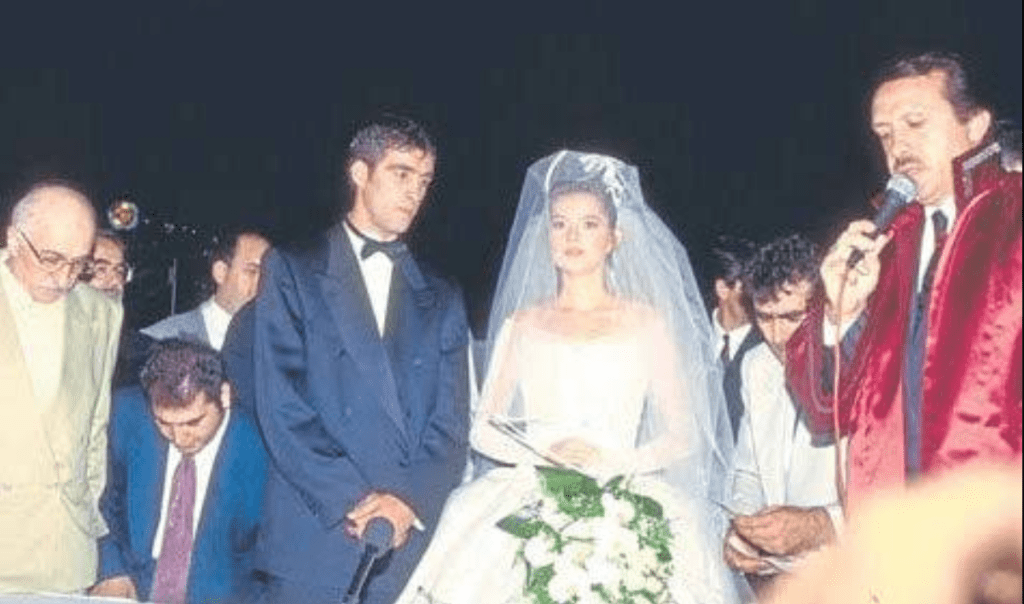
Throughout his career, Şükür was arguably one of the most recognizable sports figures in Türkiye. Shortly before his brief move to Torino in 1995, he married his first wife, Esra Elbirlik, in what became a high-profile social event and, in hindsight, an eerie foreshadowing of the footballer’s eventual downfall. Officiating the wedding was then-Mayor of Istanbul Recep Tayyip Erdoğan, while Şükür’s best man was the cleric Fethullah Gülen. Şükür’s close relationship with Gülen would ultimately contribute to his transformation into a persona non grata in Türkiye.
Fethullah Gülen was an enigmatic figure in Turkish society, and interpretations of his beliefs and political ambitions have varied dramatically depending on political allegiance. Gülen gained influence in Türkiye as an imam whose teachings emphasized education, particularly in STEM fields, as well as capitalism and religious conservatism. He founded dozens of schools, media outlets, and banks, while his followers, commonly referred to as “Gülenists” or members of the Hizmet (“Service”) Movement, rose to positions of influence as politicians, police officers, prosecutors, bankers, and businessmen. Through these loyalists, Gülen accumulated significant influence within Turkish political and economic institutions.
Initially, Gülen’s blend of Islam and capitalism aligned closely with Erdoğan’s political movement, and the two became close allies as the Hizmet Movement helped promote the interests of the Turkish government both domestically and abroad. Over time, however, figures within Erdoğan’s government grew increasingly wary of Gülen’s ambitions and began to view him as a clandestine threat to their grip on power.
These suspicions intensified in 2013 when prosecutors linked to the Hizmet Movement, which had deeply infiltrated the Turkish judiciary, launched corruption investigations into members of Erdoğan’s government on charges of bribery and corruption. In response, Erdoğan severed ties with Gülen and began removing Hizmet supporters from positions of power while shutting down Gülen-affiliated schools and media outlets.
Following the end of his playing career, Şükür entered politics as a member of Erdoğan’s AKP and was elected to parliament in 2011. Despite initially supporting Erdoğan, however, the former striker’s loyalties remained with Gülen. Şükür resigned from the AKP in protest of the then-prime minister’s campaign against Gülenist institutions and persecution of members of the Hizmet Movement. He continued serving in parliament until the end of his term in 2015 before relocating to the United States amid mounting political persecution.
The rivalry between Erdoğan and Gülen came to a head in 2016, when members of the military attempted a coup d’état that was ultimately crushed. The extent of Gülen’s involvement in the attempted takeover remains disputed, but Erdoğan nonetheless exploited the occasion to brutally crack down on the Hizmet Movement. Tens of thousands of alleged supporters were arrested, their assets were seized, and more than 150,000 government employees were purged and officially labeled members of the “Fethullahist Terrorist Organization,” or FETÖ.
In 2016, an arrest warrant was issued for Şükür on charges of membership in an armed terrorist organization linked to FETÖ. Although the former Galatasaray striker remained beyond the reach of Turkish authorities in the United States, his father was arrested and sentenced to more than three years in prison. Turkish courts also ordered the seizure of roughly 200 million Turkish liras, approximately $67 million, in Şükür’s assets following allegations that he had provided financial assistance to FETÖ.
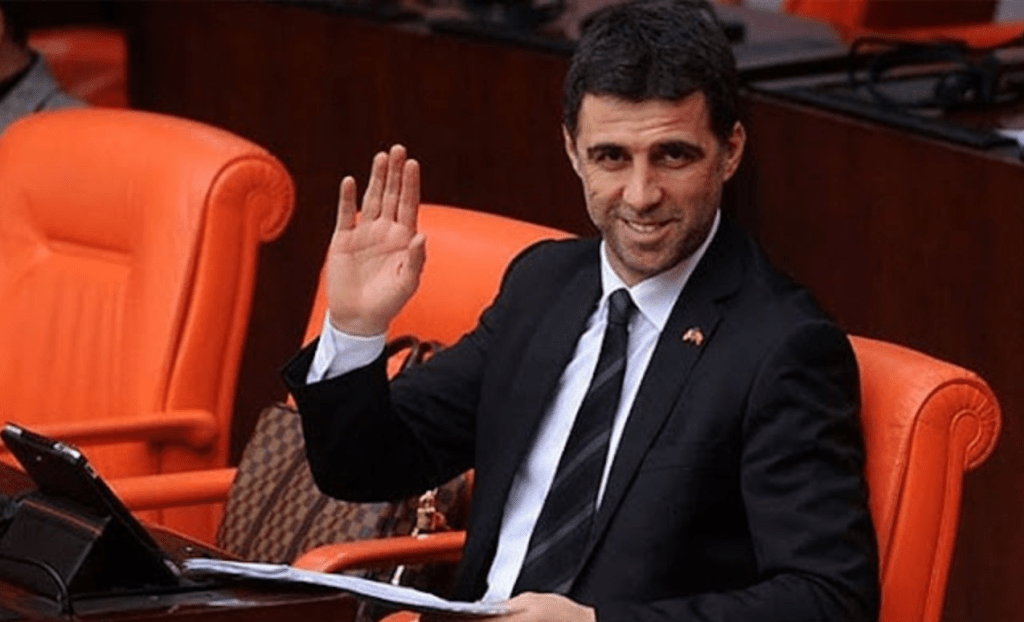
In the aftermath of his exile, Şükür’s legacy was effectively erased from Turkish soccer. Stadiums bearing his name were renamed, his photos and achievements were removed from Turkish soccer publications and memorials, and Galatasaray rescinded his club membership while reportedly excluding his goals from highlight replays of the club’s golden era. In the rare instances when his name appears in the Turkish press, it is often preceded by the label “fugitive FETÖ terrorist.”
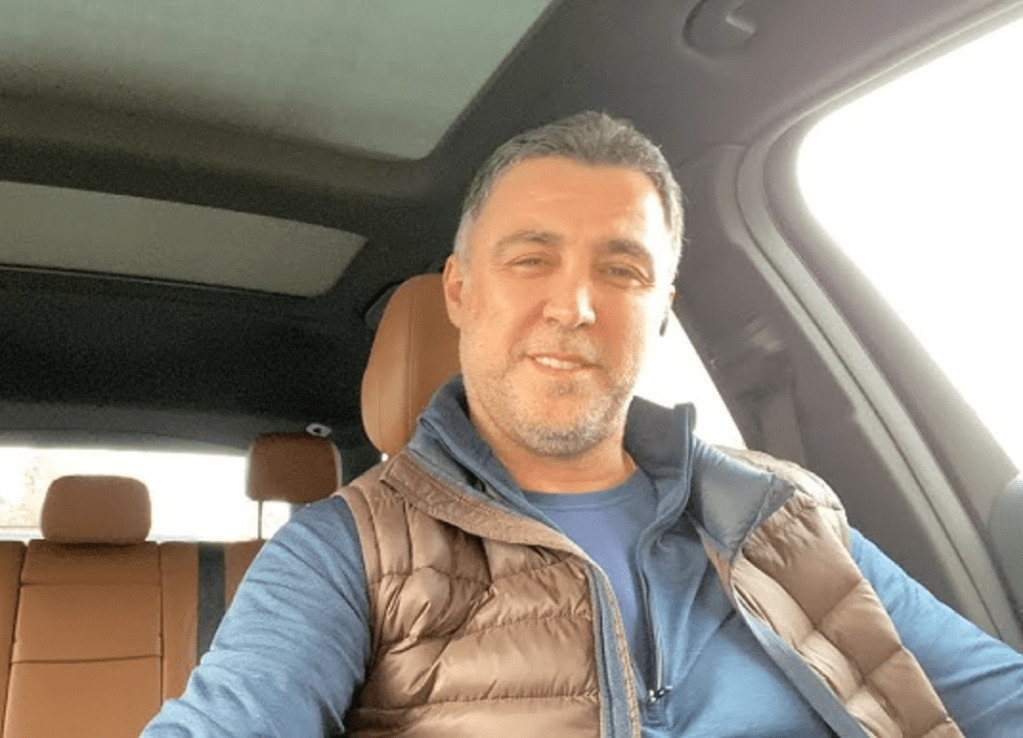
To this day, Şükür remains in exile in the United States. He reportedly lives in the San Francisco Bay Area, where he reportedly coaches local youth teams, sells books, runs a bakery (sadly closed), and drives for Uber. He also maintains a YouTube channel with more than 161,000 subscribers, where he livestreams reactions to Süper Lig matches and reflects on his career. On multiple occasions, Şükür has expressed his desire to return to Türkiye, and he claims he has been offered several opportunities to apologize in exchange for the cancellation of his arrest warrant. Thus far, however, he has refused those offers of clemency.
Stoppage Time
Fans of the Türkiye national team have a lot to be hopeful for this summer at the World Cup, as they join Australia, Paraguay, and the United States in Group D. Though it is difficult to compare generations from a talent standpoint, it is hard to argue that this current squad is more high-profile than the players on the 2002 bronze medal team.
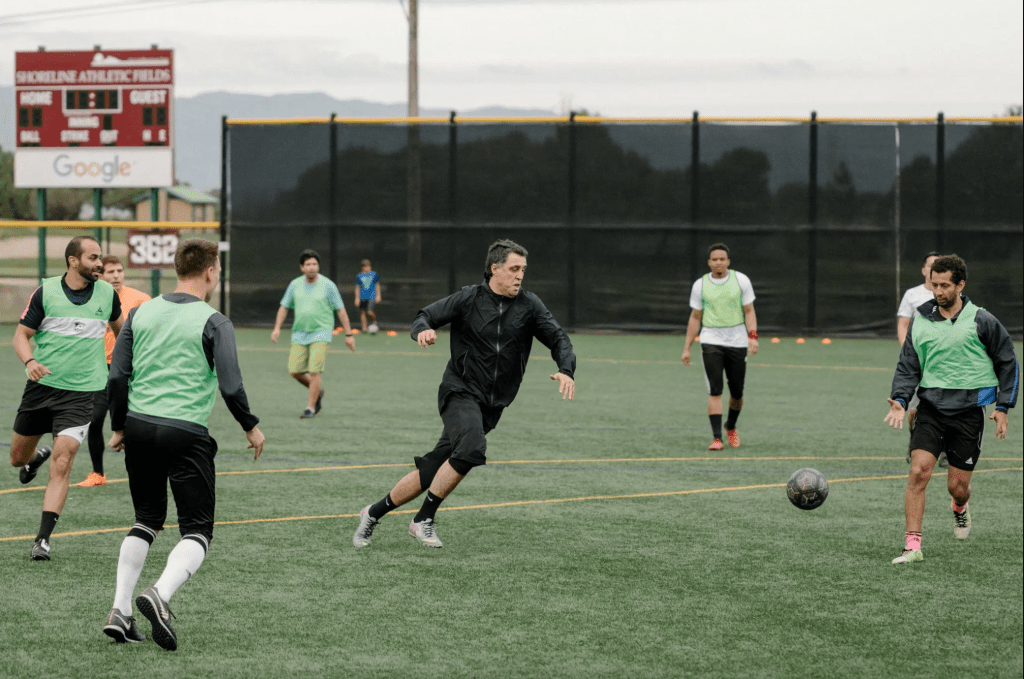
Türkiye’s front line will be led by two 21-year-olds who have taken European soccer by storm. Arda Güler has been tagged as the future of Turkish soccer, and he has broken into Real Madrid’s starting lineup, where he stars alongside Kylian Mbappé, Vinícius Júnior, and Jude Bellingham. The other young prodigy, Kenan Yıldız, has burst onto the scene at Juventus and has been one of Serie A’s best players this past season.
The team will be captained by the veteran Çalhanoğlu, who, since joining Inter Milan in 2021, has won two Serie A titles and three Coppa Italia titles, while also helping lead Inter to two runners-up finishes in the Champions League and starting in both finals. With other national team stalwarts like Roma’s Zeki Çelik and Borussia Dortmund’s Salih Özcan, many pundits are picking Türkiye to finish first or second in Group D, and many U.S. fans consider the Turks to be the toughest early challenge for the USMNT at the World Cup.
On June 19, they will take on Paraguay in Santa Clara, California. With an estimated 350,000 individuals of Turkish ancestry in North America, there will undoubtedly be a strong Turkish supporter contingent following the team to that match. As thousands of Turks stream into the Bay Area, many will surely rely on ride-share apps to get to the game. It is uncertain what Hakan Şükür will be up to during the match. However, there is a distinct possibility that a group of Galatasaray fans might hop into an Uber and unwittingly find themselves being driven to Levi’s Stadium by one of their idols, even if they cannot admit that publicly.


Leave a Reply