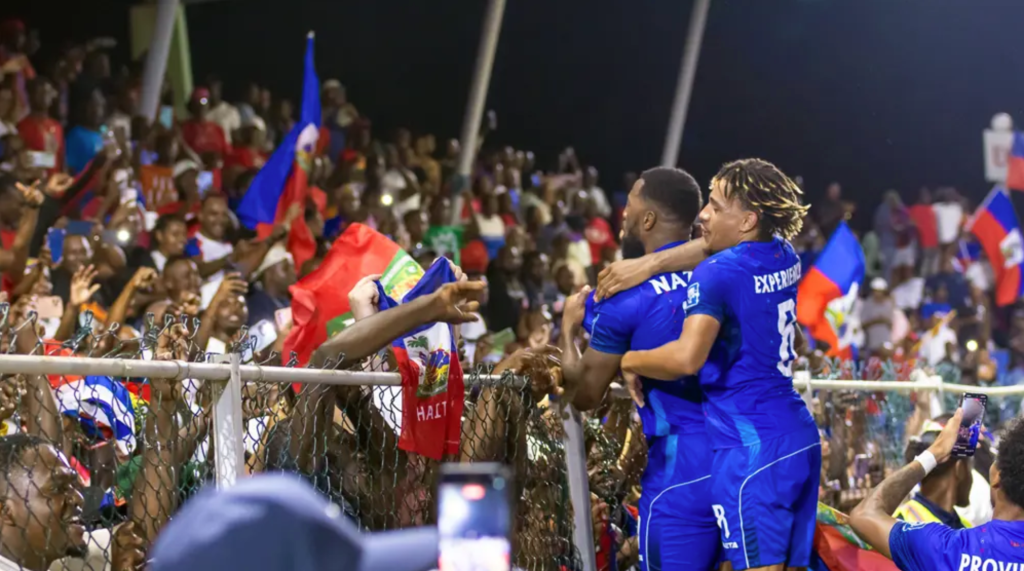
On a November night at the Ergilio Hato Stadium in Willemstad, Curaçao, Haiti and Nicaragua were nearing the end of the final match of their World Cup qualifying campaigns. The Nicaraguan team, which was already mathematically eliminated from the tournament, was playing for pride. The Haitian team (nicknamed Les Grenadiers—The Grenadiers), on the other hand, was looking to shock the world. Five hundred miles away in Port-au-Prince, millions of Haitians were glued to their television sets in anxious anticipation.
In the final minutes of the game, Les Grenadiers were ahead 2–0, with goals from Don Deedson Louicius and Ruben Providence in the first half. Haiti occupied Group C of CONCACAF’s third round of World Cup qualifying alongside Nicaragua, Costa Rica, and Honduras. After six round-robin matches, whichever team finished in first place qualified directly for the 2026 FIFA World Cup. Heading into the final match, Haiti was tied on points with Honduras for first place.
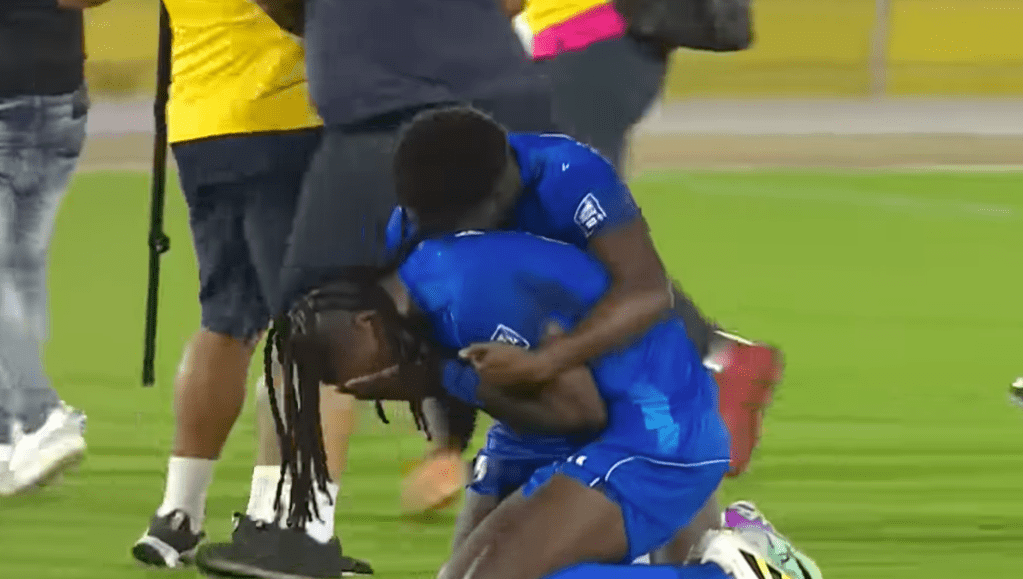
As the referee blew his whistle, signaling the end of the game and a victory for Les Grenadiers, there were muted cheers from the 1,500 Haiti fans in attendance. Their attention then shifted to the Costa Rica vs. Honduras game taking place concurrently in San José. The Haitian players borrowed a smartphone from one of the fans and huddled together on the field to watch the final moments of the game unfolding over 1,000 miles away. It was 0–0, and if that scoreline held, Haiti would qualify for the World Cup. However, if Honduras found a late goal, they would leapfrog Les Grenadiers in the group and advance to the tournament due to their superior goal difference (goals scored minus goals conceded).”
Suddenly, the huddle collapsed as Haitian players dispersed in loud screams of joy, and the crowd erupted. It was over. The Costa Rica vs. Honduras game finished in a tie, and Haiti advanced to the FIFA World Cup for the first time since 1974. Some players sprinted in different directions, others ran to the bleachers to join their fans in celebration, while some collapsed into tears on the field, overwhelmed by the moment.
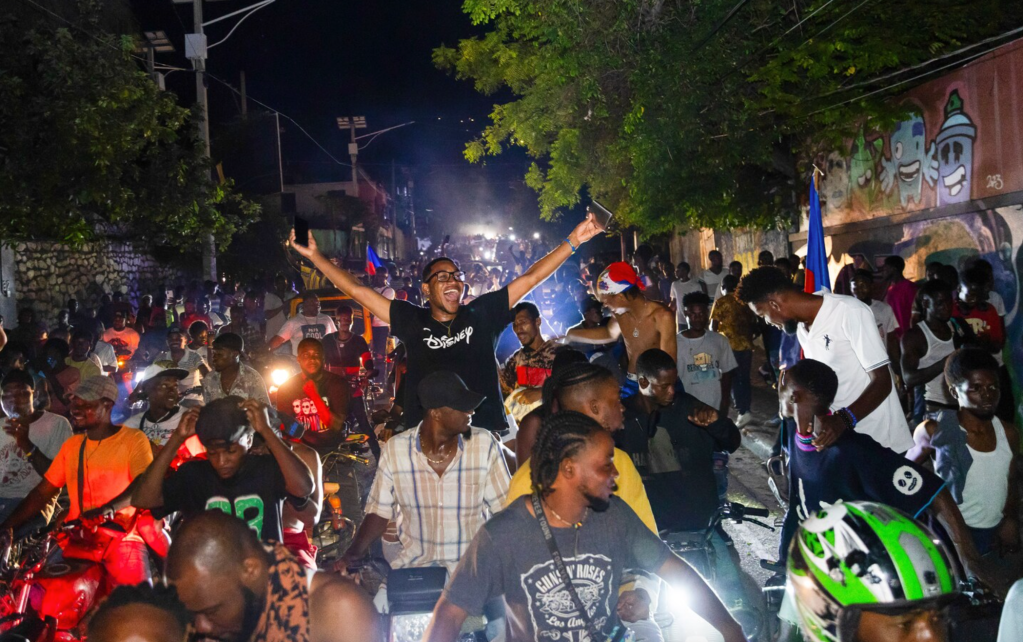
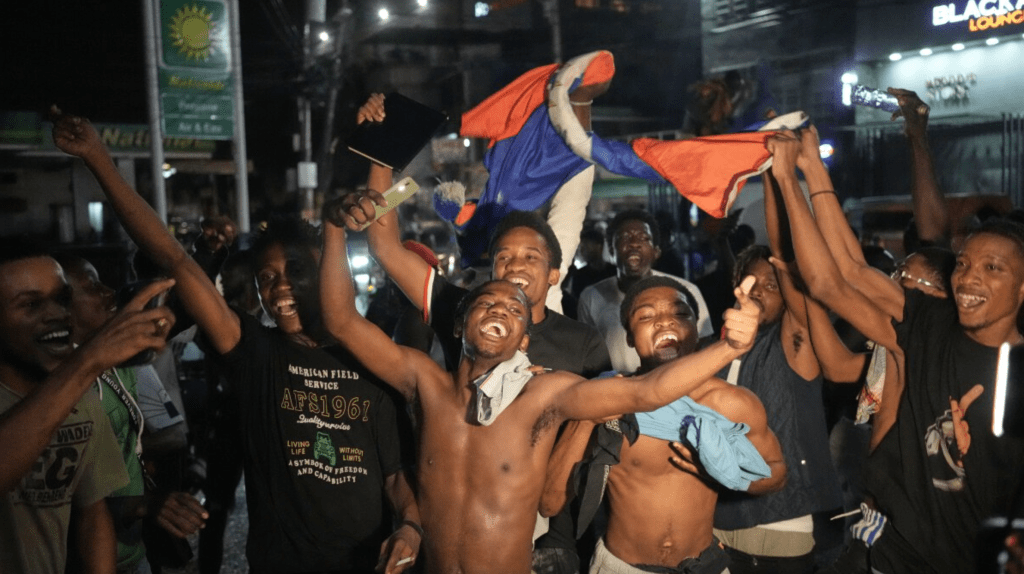
In the nation’s capital, the scenes were even more electrifying. Tens of thousands of jubilant Haitians took to the streets of Port-au-Prince in rapturous celebration. There was music, dancing, and the sound of horns echoing through the narrow streets and alleyways. Cheers rang across the city, as the sound of gunfire from fans firing rounds into the air in celebration permeated the rainy autumn night.
In a city that has been effectively run by gangs since 2023, Les Grenadiers’ qualification represented a profound moment of national catharsis. The ongoing civil conflict has taken the lives of tens of thousands of people and displaced millions of Haitians. This was a rare moment when news from the beleaguered nation was joyful rather than defined by decades of headlines linking Haiti to crime, disaster, violence, instability, and poverty.
This week, Explaining Offsides will discuss the incredible barriers that the Haitian national team and its fans have had to overcome as they vied for a return to the World Cup. The article will also delve into the challenges that await Haiti—particularly its fans—as Les Grenadiers travel to the United States this summer under a cloud of geopolitical tension.
Haitians Ever-present at the World Cup
Haiti is no stranger to the FIFA World Cup. Though Les Grenadiers have only participated in one tournament—the 1974 FIFA World Cup—they managed to capture the world’s attention during their summer in Germany. Despite losing all three of their matches, they provided a major shock in their opening game against powerhouse Italy.
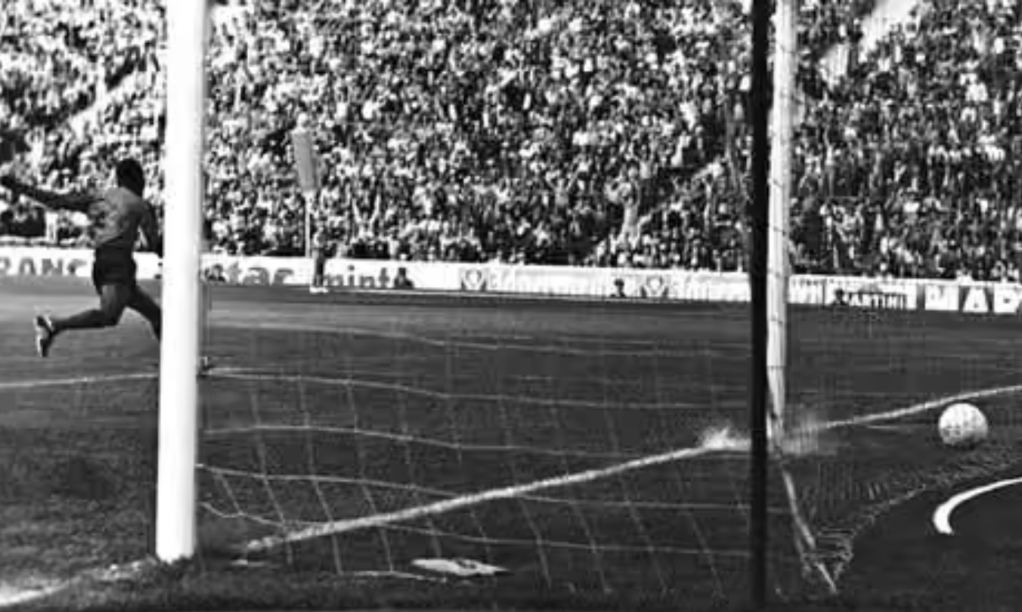
After holding the reigning runners-up scoreless at halftime, star striker Emmanuel Sanon dribbled past legendary Italian goalkeeper Dino Zoff to give Haiti an improbable lead early in the second half. Sanon’s goal marked the first time that Zoff and Italy had conceded in nearly two years—a world record (1,142 minutes) that stands to this day. Though Italy eventually regrouped and came back to win 3–1, Haiti’s performance left a lasting impression on observers.
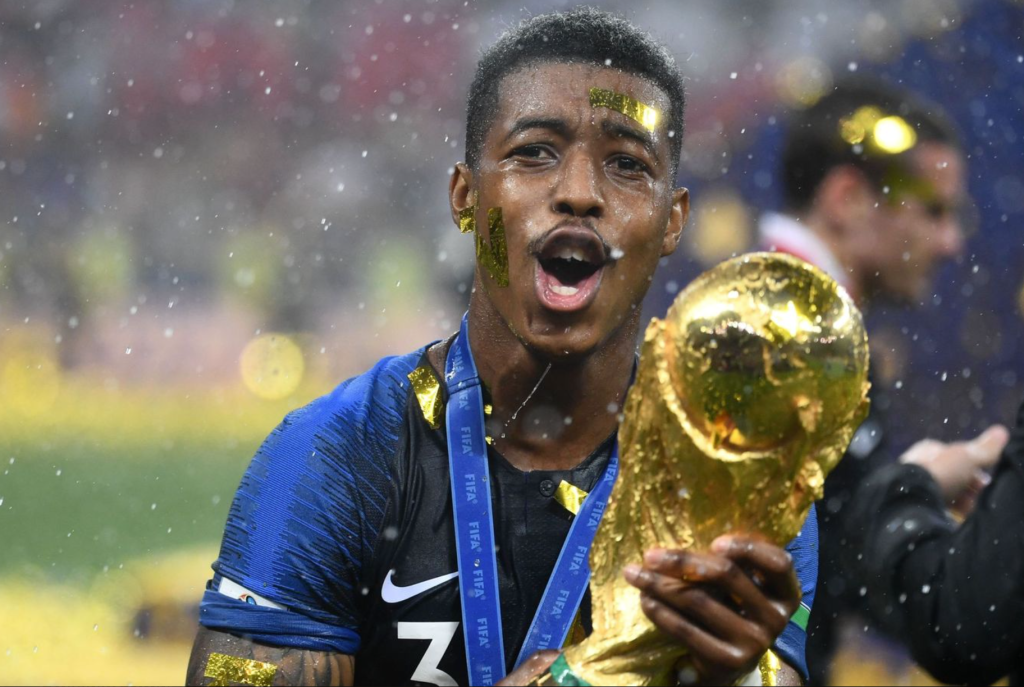
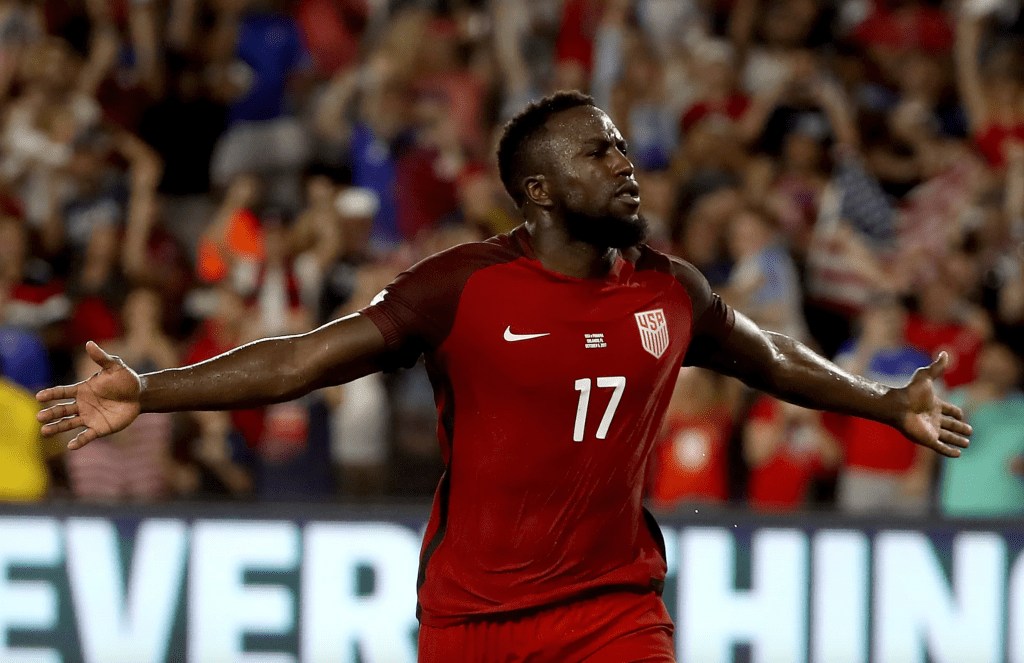
Despite the national team’s lack of involvement in the World Cup in the decades that followed, Haitians and members of the Haitian diaspora continued to make their mark on soccer’s biggest stage. Jozy Altidore, who was born to Haitian immigrants in New Jersey, went on to star for the United States at the 2010 and 2014 World Cups and became the third-highest goalscorer in U.S. national team history. Presnel Kimpembe, born to an Afro-Haitian mother, won the World Cup as a key member of France’s victorious 2018 squad.
There are also members of the Haitian diaspora expected to star for other nations at this summer’s World Cup. Juventus forward Jonathan David was born in Brooklyn, New York, to Haitian parents and raised in Port-au-Prince before emigrating to Ottawa at age six. He has since become the Canadian men’s national team’s all-time leading goalscorer and is poised to serve as Canada’s primary attacking threat this summer.
Mike Maignan, born to a Haitian mother in French Guiana, served as the second-choice goalkeeper for France during their runner-up finish at the 2022 FIFA World Cup. The AC Milan shot-stopper is expected to be France’s starting goalkeeper at this summer’s tournament and could play a key role as they pursue a third world title.
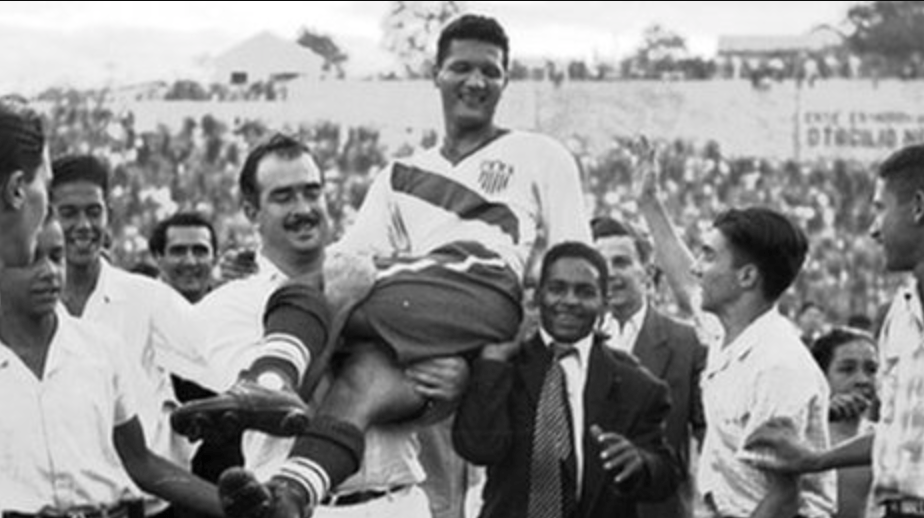
Finally, there is Joe Gaetjens, a center forward at the 1950 FIFA World Cup who scored the United States’ winning goal against England in a match frequently regarded as the greatest World Cup upset of all time. Though he represented Team USA, Gaetjens was born in Haiti and moved to New York in 1947 to study accounting at Columbia University. To make a living, he played professional soccer for the Brookhattan club and washed dishes at a restaurant owned by the team’s president.
In modern times, Gaetjens would not have qualified to play for the U.S. national team because he had not obtained U.S. citizenship prior to the World Cup, and he had even played for Les Grenadiers on three occasions in 1944. However, the rules in 1950 only required him to sign a document declaring his intention to obtain U.S. citizenship to join the American squad in Brazil. He never became an American citizen and returned to Haiti in 1954.
Despite the success of Haitian athletes, the growth of Haitian soccer—and Haiti itself—has been stunted by centuries of social and political turmoil. As the world’s first “black republic,” having successfully fought for and won its independence from France over two centuries ago, Haiti’s story might have been one of a nation of formerly enslaved people rising against injustice and developing into a prosperous Caribbean state. However, at almost every stage of its history, foreign powers—especially the United States and France—have exacerbated, and in many cases directly caused, Haiti’s suffering.
A History Decided By Others
Following the 12-year slave revolt that led to Haiti’s independence in 1804, many Western governments in Europe and North America refused to recognize the young nation for decades. Many also imposed trade embargoes and sanctions that crippled Haiti’s economy. France soon imposed harsh reparations on Haiti, forcing the country to divert the equivalent of hundreds of millions of dollars to the French government instead of developing its own economy and infrastructure. This burden cost the nation an estimated $21 billion in lost potential revenue and growth. Haiti only finished paying off this debt in 1947. To add insult to injury the United States invaded Haiti in 1915 and seized control of the Haitian National Bank, diverting the majority of Haitian revenue to the United States and France. The U.S. Army remained in Haiti until 1934.
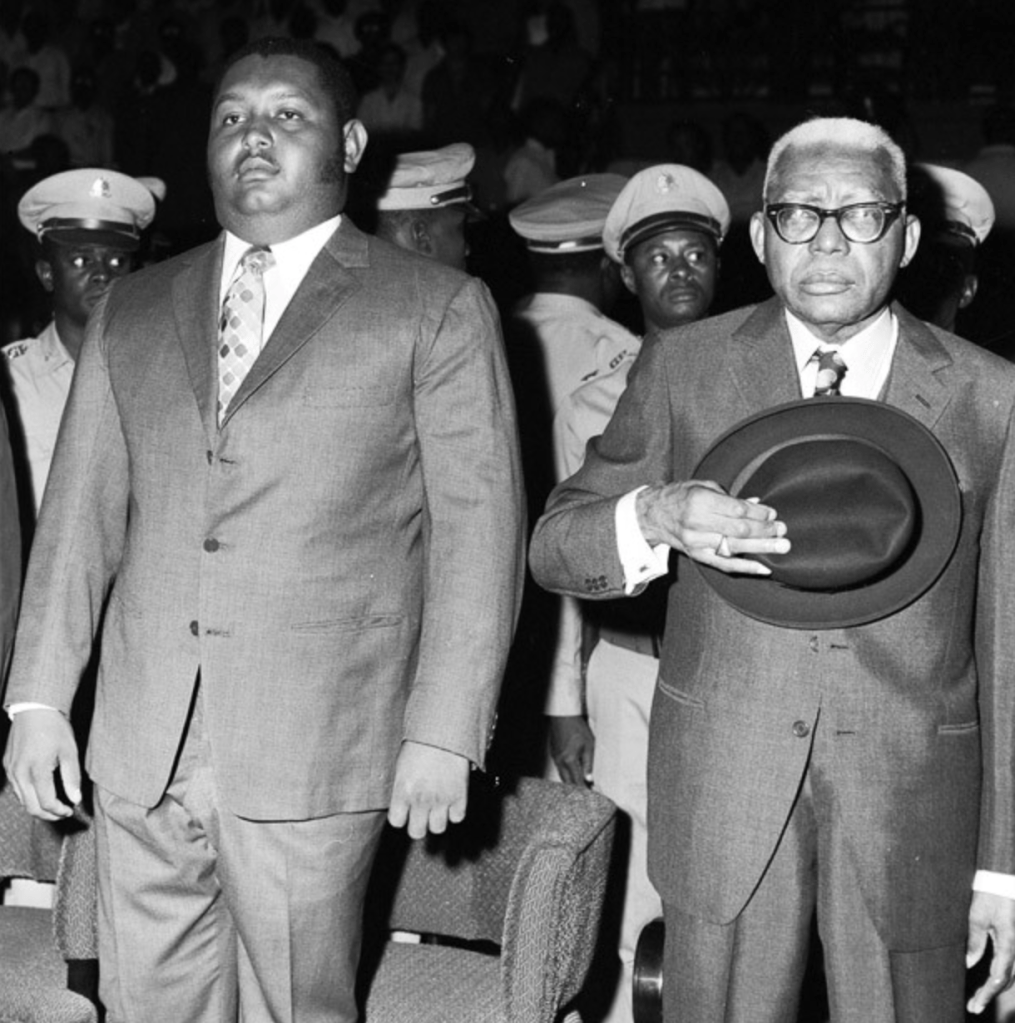
In 1956, François “Papa Doc” Duvalier took power, and he and his son, Jean-Claude “Baby Doc” Duvalier, would lead a brutal dictatorship for nearly three decades. This authoritarian regime was characterized by fear, corruption, censorship, and the disappearance and murder of up to 30,000 Haitians at the hands of the Duvaliers’ secret police, the Tontons Macoutes (“The Bogeymen”). The regime was able to remain in power largely due to the backing of the United States, as Duvalier’s Haiti served as a key anti-communist foothold in the region to counter the influence of Cuba. Following widespread protests, Baby Doc fled Haiti and settled in exile in France, taking with him nearly $1 billion he had embezzled from the Haitian treasury.
In 1991, the left-wing former priest Jean-Bertrand Aristide became Haiti’s first democratically elected president. However, only months later, he was overthrown in a military coup, leading to another period of military rule and a U.S. occupation in the mid-1990s. Though Aristide eventually returned to power, he was again ousted in a coup d’état in 2004. In the years since, evidence has emerged suggesting that this overthrow was at least partially orchestrated by the United States and France, whose governments were alarmed by Aristide’s demands for reparations for centuries of economic exploitation.
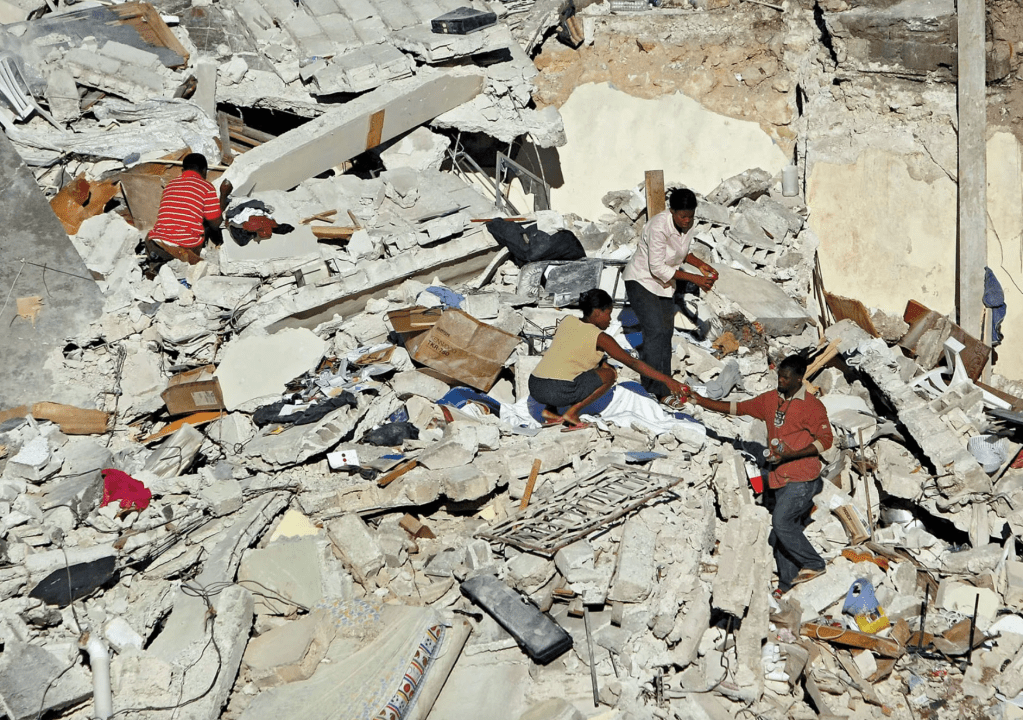
Haiti’s already severe political and economic instability was enormously magnified in February 2010, when a 7.0-magnitude earthquake struck near Port-au-Prince, killing over 220,000 people and displacing millions. Among the dead were 30 staff members of the Haitian Football Federation. Despite billions of dollars in humanitarian aid mobilized in the weeks and months that followed, the disaster became a case study in how not to implement international aid, marked by widespread mismanagement of funds, a cholera outbreak, the sidelining of Haitians from relief efforts, and documented cases of sexual abuse by aid workers.
In recent years, Haiti’s instability has been worsening. Following the 2021 assassination of President Jovenel Moïse, carried out by a group that included Colombian and American mercenaries who murdered the president in his home, the country descended further into chaos. In the ensuing power vacuum, armed groups and gangs took over Port-au-Prince, where they are projected to control 80 to 90 percent of the city. Thousands of civilians have been killed in the violence, and the city has effectively become a war zone, displacing millions from their homes.
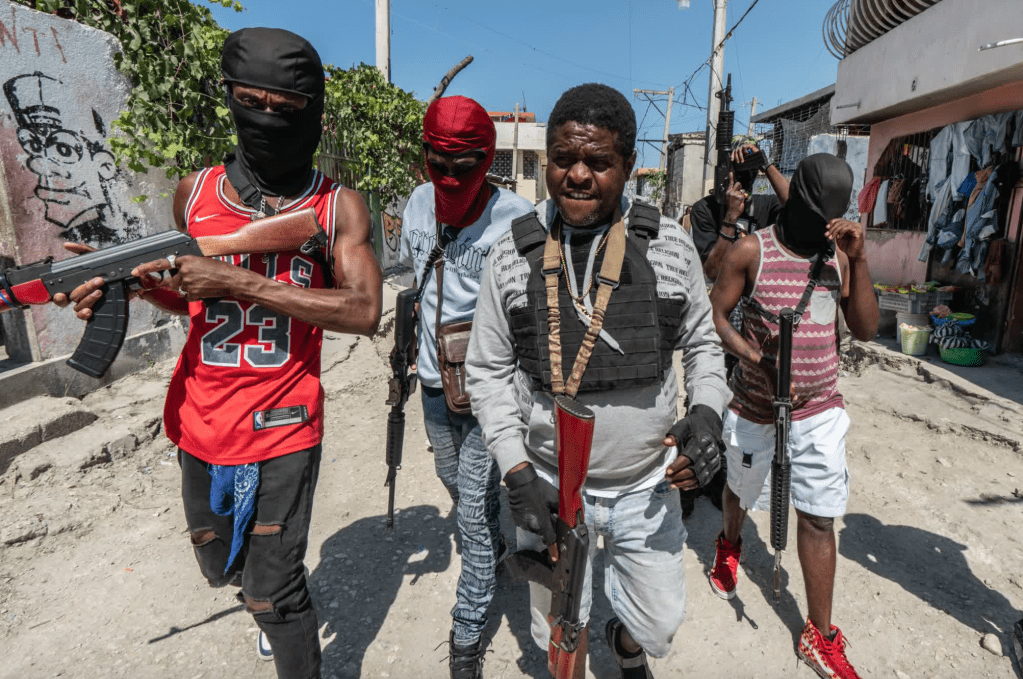
At the time of writing, there is no president. The prime minister has resigned and is living in exile in Puerto Rico, and the parliament has remained vacant since 2023. Essentially, there is no functioning government in Haiti outside of a weak Transitional Presidential Council with severely limited authority, and many commentators consider Haiti to be a failed state.
Tyrants and Thugs
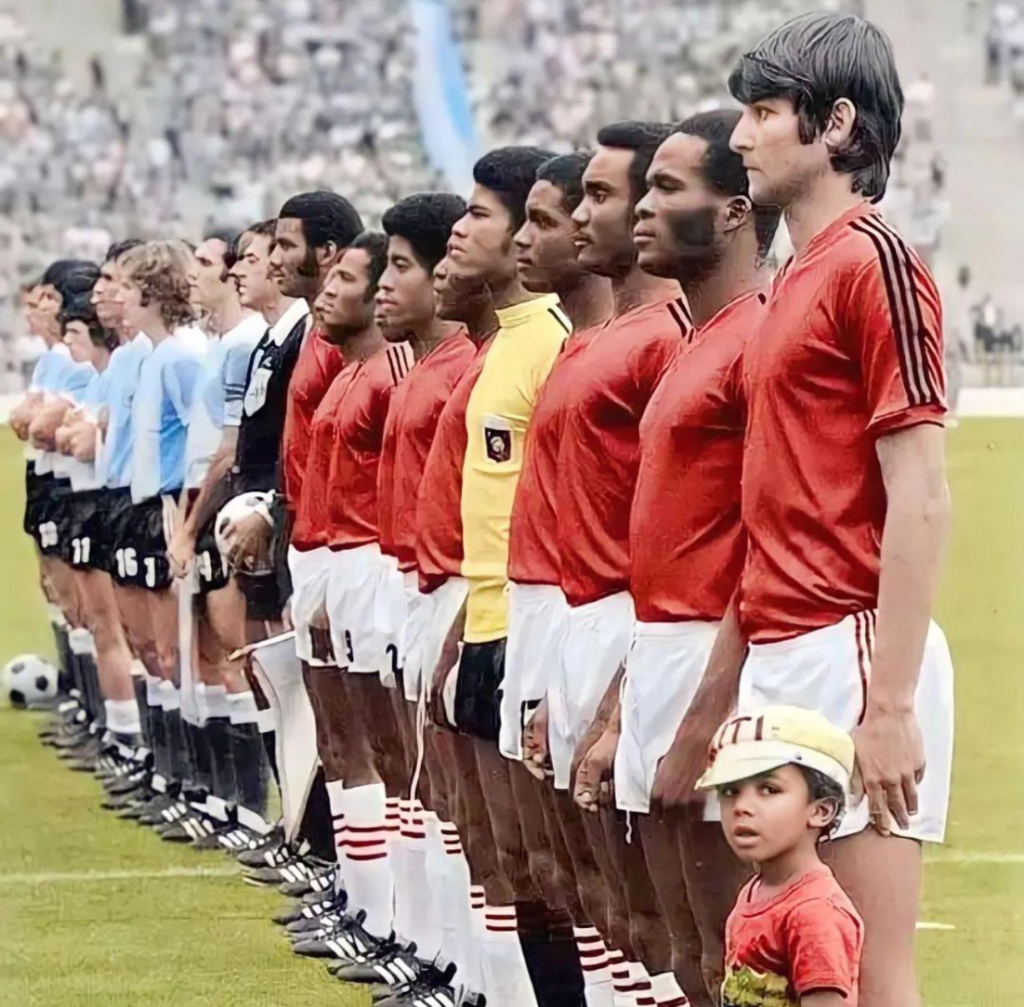
Political tension and insecurity have clouded Les Grenadiers since the days of the Duvaliers. Despite their obvious talent, it is likely that the development of the 1974 squad was influenced by the backing of the regime. François “Papa Doc” Duvalier frequently positioned himself close to the team for propaganda purposes, and he is accused of having bribed referees for favorable results during the qualification stage. After center defender Ernst Jean-Joseph was suspended from the tournament following a failed drug test, Haitian officials allegedly dragged him out of the team hotel in Munich, kidnapped him, beat him, and forced him onto a plane back to Haiti.
The Duvalier regime was also likely responsible for the demise of one of Haiti’s most consequential World Cup figures. Upon returning to Haiti, Joe Gaetjens became a coach and owner of a dry-cleaning business in Port-au-Prince. Though not politically active himself, Gaetjens’ family had backed one of Duvalier’s political opponents, and his brothers were alleged to have been involved in a coup plot against the dictator. On July 8, 1964, Gaetjens was approached by two Tontons Macoutes agents outside of his dry-cleaning shop. The agents grabbed him in front of his seven-year-old daughter, put a gun to his head, forced him into the back of a car, and sped off. Gaetjens was never seen again. Though his body was never found and his fate has never been conclusively determined, it was widely believed that he was taken to the infamous Fort Dimanche, where he was tortured and executed days later.
In modern times, the outbreak of gang violence and ongoing instability have created additional barriers for Haitian players. Due to security concerns, Les Grenadiers have not played a match in Haiti since 2021, and concerns about player and team safety are well founded. In March 2021, the Belize national team traveled to Port-au-Prince for a 2022 World Cup qualifier against Les Grenadiers. While traveling from the airport to the hotel, their bus was stopped by the Fantom 509 gang, forcing police officers in the escort to negotiate their passage. Although the team was unharmed, the experience reportedly left the Belize players shaken.
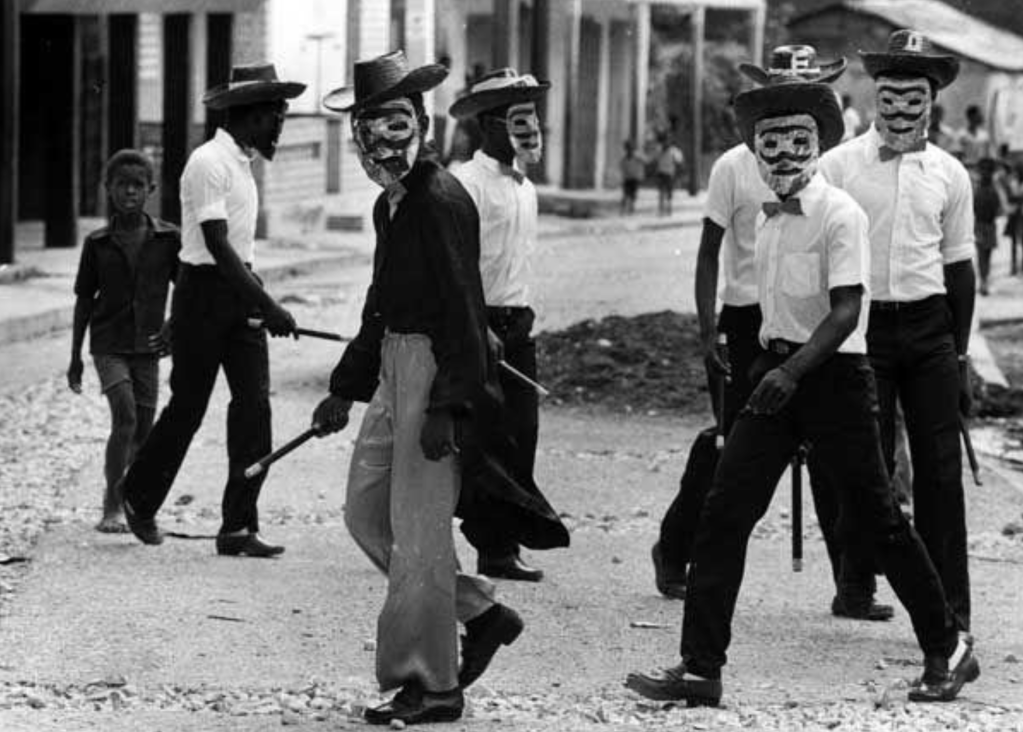
Following the national team’s decision to cease playing in Haiti, the Stade Sylvio Cator, their national stadium, was occupied and ransacked by armed gangs in 2024. Throughout Haiti’s 2026 FIFA World Cup qualifying campaign, they have had to adopt the Ergilio Hato Stadium in Willemstad, Curaçao, as their “home” venue, and current head coach Sébastien Migné has never been to Haiti during his nearly two years in charge.
Pheonix from the Flames
Despite these hurdles, the quality of the national team improved dramatically in the late 2010s and early 2020s. Les Grenadiers advanced to the fourth round of qualifying (out of five rounds) for the 2018 World Cup. In the 2019 CONCACAF Gold Cup—the continental championship for North America—Haiti won all three group-stage matches, secured a dramatic come-from-behind victory against Canada in the quarterfinals, and pushed Mexico to overtime in the semifinals before ultimately falling 1–0 to the eventual champions on a controversial penalty kick.
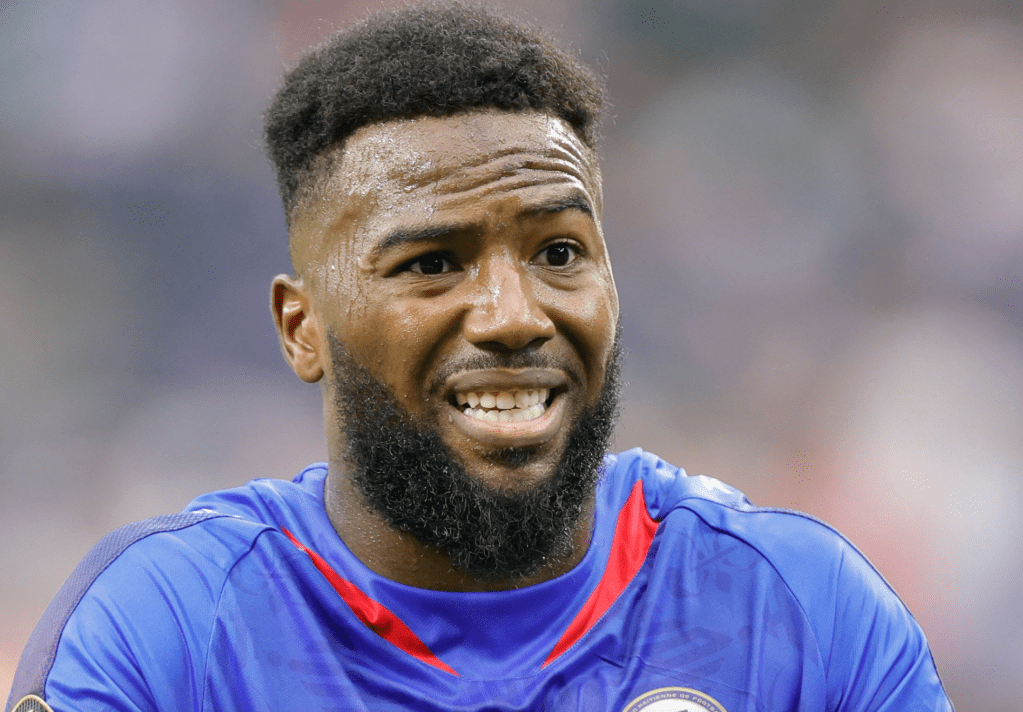
One of the primary reasons for this recent success has been the recruitment of members of the Haitian diaspora. The team now features players who were born in countries with large Haitian immigrant populations, including France (such as Duckens Nazon and Ruben Providence), the United States (Fafà Picault and Derrick Etienne Jr.), and Canada (Josué Duverger and Garven Metusala). Each of these players has developed in more stable environments, within better-funded academy and club systems abroad, with access to top-level training facilities and resources, which has helped raise the overall standard of play for the national team.
As Haiti’s domestic league, La Ligue Haïtienne, has frequently been forced to cancel seasons due to civil unrest and insecurity, even Haitian-born talent has often had to pursue their careers abroad to develop in stable environments. Many leave Haiti as teenagers or young adults and grow in systems more conducive to their development. Midfielder Leverton Pierre left Haiti at age 19 to join French club Bastia, and striker Don Deedson Louicius moved to Atlanta at age 15 to join the Kalonji Soccer Academy before later joining MLS club Atlanta United. Every member of the Les Grenadiers squad that took part in the qualification-clinching match against Nicaragua plays for a foreign club, where they are able to train and compete consistently at a high level.
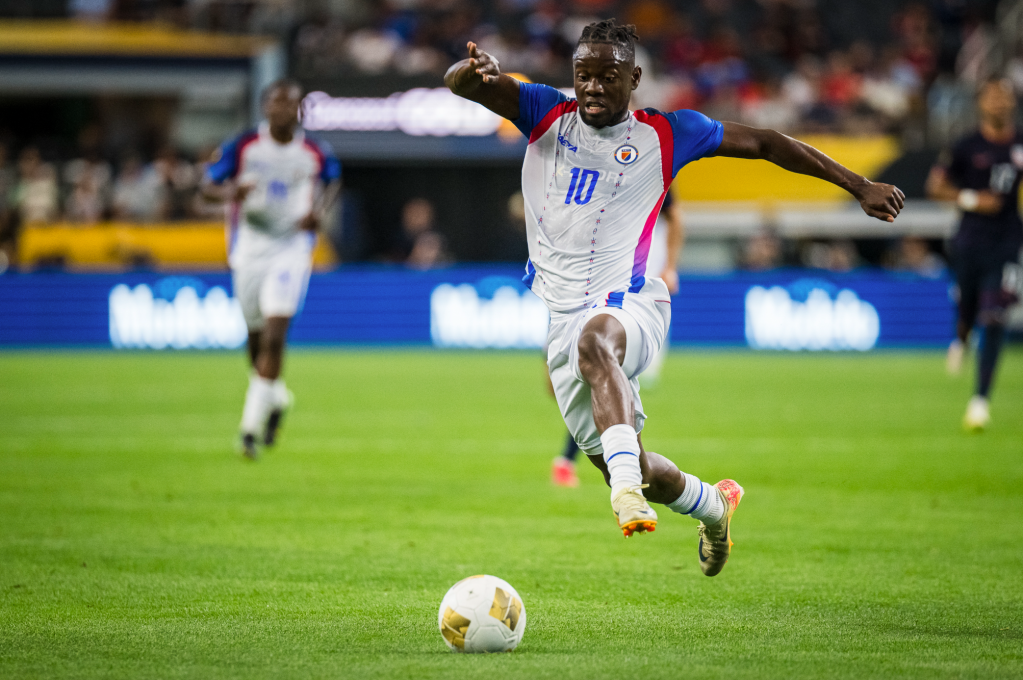
Another key component of focusing on overseas talent is being able to bring in players who can more easily travel internationally. The Haitian passport is one of the weakest in the Americas, and Haitian citizens frequently struggle to obtain visas to travel abroad consistently. Those born in other countries can benefit from their dual citizenship by traveling on a stronger passport, usually from the EU, the United States, or Canada. Those born in Haiti but based overseas may be able to obtain citizenship in a country with a stronger passport or benefit from a long-term work permit that makes their visa application process easier.
“Welcome”
In recent years, visas for Haitians in the United States have become a source of tension between the two countries. Negative attitudes toward Haitian immigrants have long been peddled by President Donald Trump, from his reference to Haiti as a “s***hole country” during his administration to the spread of baseless claims during the 2024 presidential election campaign that Haitian immigrants were eating pets in Springfield, Ohio.
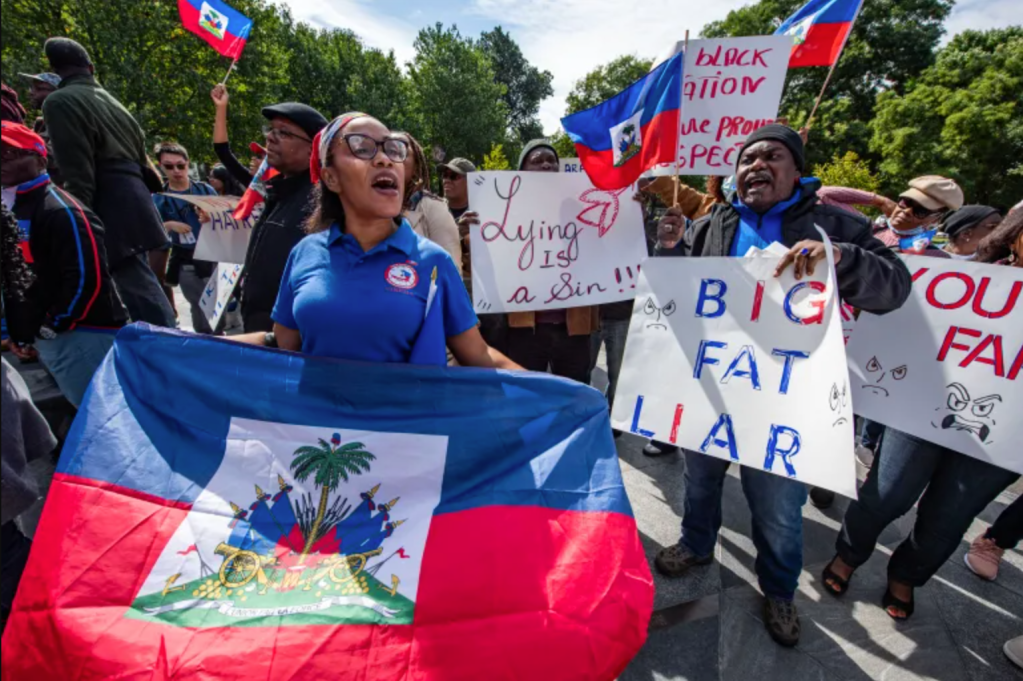
Beyond rhetoric, it has become increasingly difficult for the estimated 700,000 Haitian immigrants in the United States to remain in the country over the past 15 months. In September 2025, the U.S. Department of Homeland Security revoked Temporary Protected Status (TPS) for over 350,000 Haitian nationals. Although this move was reversed in February by the U.S. Court of Appeals, Haitian immigrants in the United States continue to face severe restrictions on their movement.
Furthermore, in June 2025, President Trump issued a travel ban restricting entry into the United States for citizens of 12 countries, one of which is Haiti. Although the State Department has confirmed that exemptions will be made for players and personnel of the Haitian national team, it has also confirmed that fans from Haiti will not be allowed to travel to the United States for the tournament.
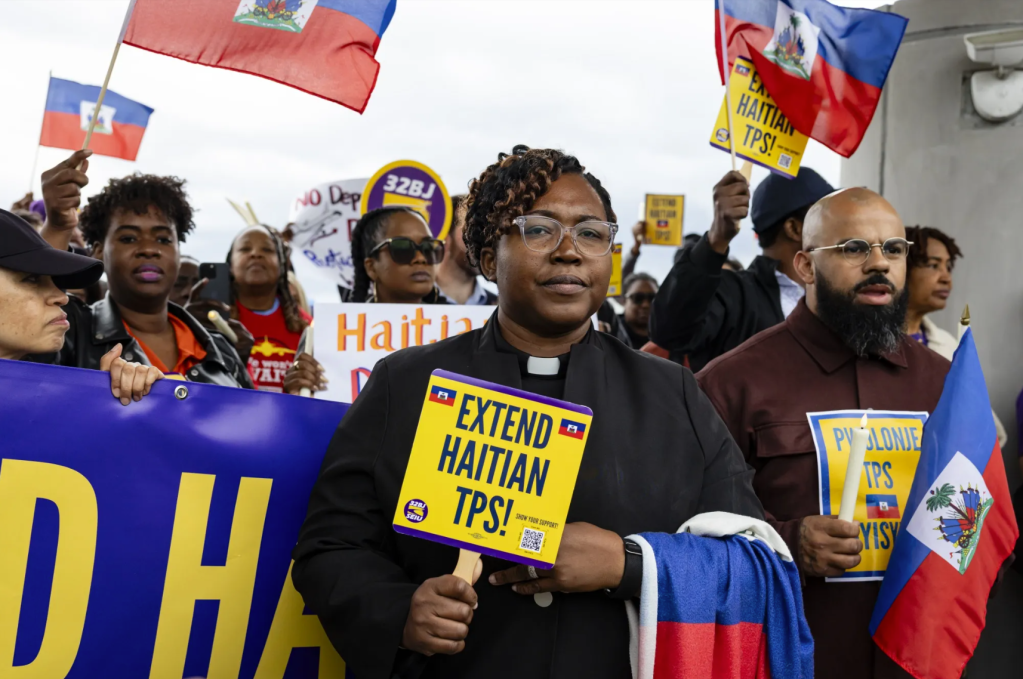
Though members of Les Grenadiers will be allowed entry into the United States, historically, being an international soccer player does not guarantee a visa for a Haitian athlete to enter the United States or other North American countries. In 2023, Port-au-Prince club Violette AC pulled off a massive upset when they eliminated MLS side Austin FC from the CONCACAF Champions League 3–2 on aggregate in the Round of 16. After winning 3–0 at their designated home in the Dominican Republic, 12 Violette players, including five starters from the first leg, were unable to travel to the second leg in Austin, Texas due to the club’s inability to secure U.S. entry visas for them. Despite only being able to bring 14 players, Violette held on in the second leg and improbably advanced to the next round of the tournament.
Other Haitian teams have not been as fortunate. The year prior, Léogâne-based Cavaly AS was forced to withdraw from the Round of 16 of the same competition after being unable to secure visas to travel to the United States to face the New England Revolution. Though the U.S. Department of State states on their website that the 2026 FIFA World Cup will be an opportunity to “welcome soccer fans from all over the globe” and “showcase the beauty and greatness of America,” exclusionary policies from the Trump administration stand in contrast to these claims, making it clear that Haitian fans will not be granted entry visas.
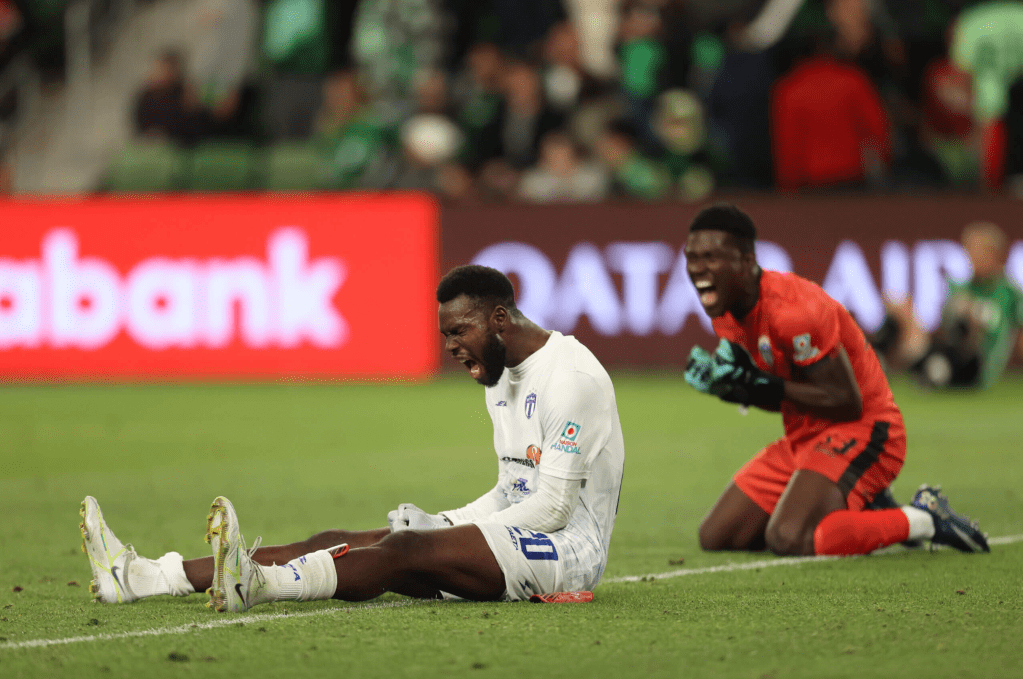
Grenadyers, alasso!
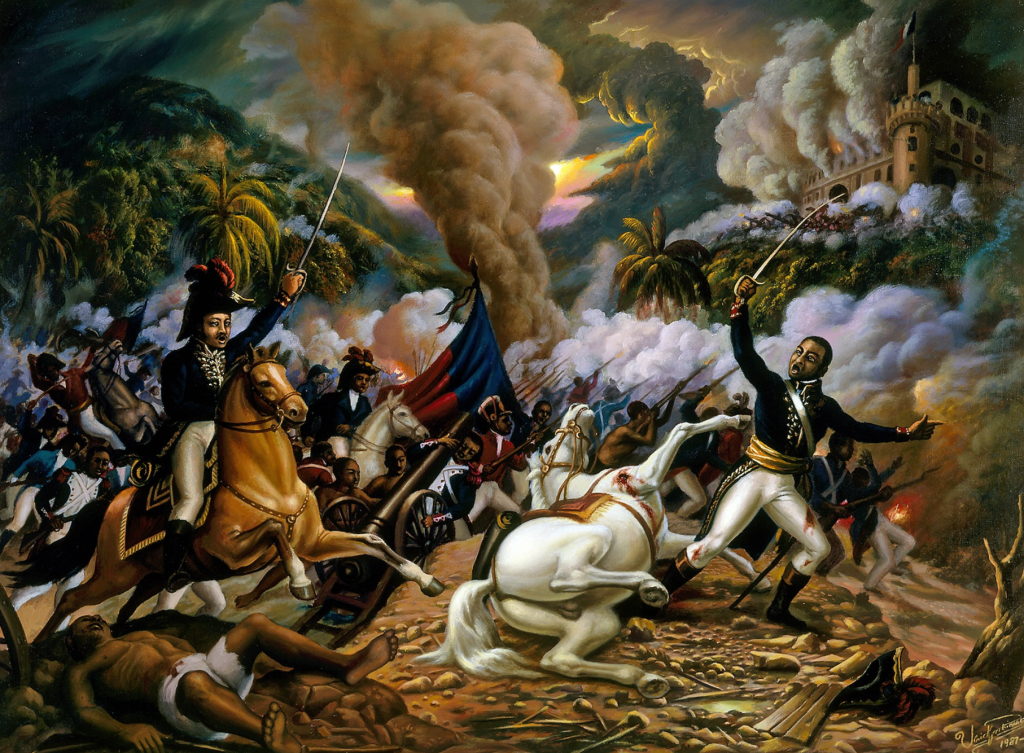
As Haitians took to the streets of Port-au-Prince in November to celebrate their monumental World Cup qualification, shouts of the phrase “Grenadye, alaso!” could be heard echoing through the crowds. This cry translates roughly to “Grenadiers, let’s go!” or “Soldiers, forward!” and is believed to derive from the French military command “Grenadiers, à l’assaut!” (“Troops, attack!”). “Grenadye, alaso!” allegedly became a rallying cry for Haitian rebels during their uprising against French rule, as Haiti became the first “Black Republic.” The phrase has since evolved into a powerful collective plea for unity and progress from a population that has endured immense adversity yet continues to move forward into an uncertain future.
Fittingly, Les Grenadiers qualified for the World Cup on the 222nd anniversary of the Battle of Vertières, during which Haitian forces defeated the French army, signaling the end of colonial rule. In the centuries that followed, Haiti has endured profound loss. When the referee in Willemstad finally blew his whistle, Haiti was given another victory—a moment for the Haitian people to exhale, a moment of catharsis, and a symbol of a spirit that has always sought to move its people forward.

 Explaining Offsides
Leave a comment