Content Warning: This article includes discussion of child trafficking, the sexual exploitation of minors, homicide of a child, and slavery. Please proceed with care. This article is dedicated to the memory of Cheikh Touré and the pursuit of safety and justice for young athletes everywhere
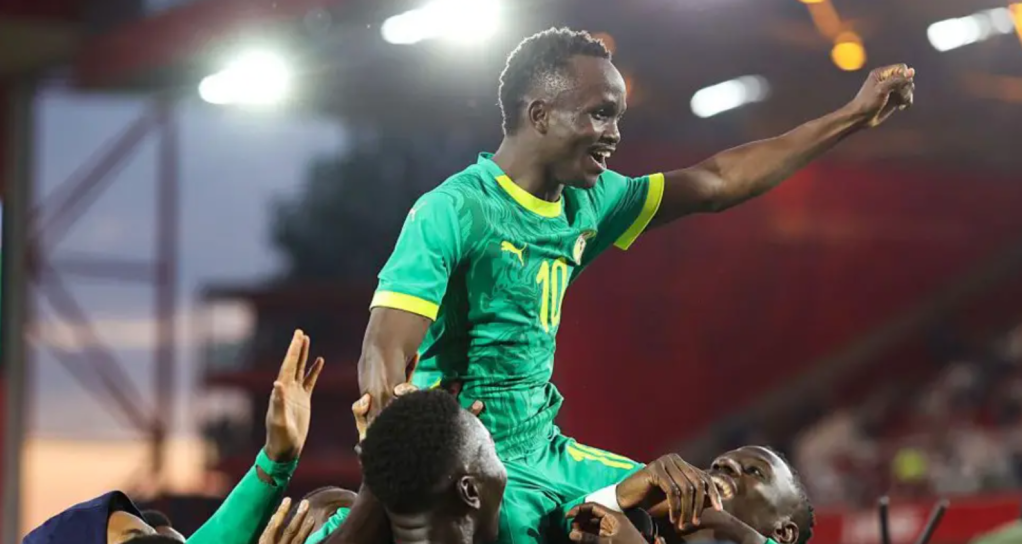
Senegal opened its 2025 African Cup of Nations (AFCON) campaign with two wins and one draw, results that secured first place in Group D and the team’s passage to the knockout rounds. With such a positive start, the Senegalese squad hopes to once again be crowned African champions — a title they earned in 2022. The Senegal national team, nicknamed the Lions of Teranga, is considered one of the best in Africa, and they are aiming to make a deep run in this summer’s World Cup. Many members of the squad come from humble backgrounds in the West African nation, and their individual and collective sporting achievements have enabled them to earn millions of dollars at some of the best clubs in the world. Young Senegalese players dream of emulating the successes of stars like Sadio Mané, Kalidou Koulibaly, and Idrissa Gueye. However, for thousands of young West African footballers, this dream has instead led to a horrific nightmare.
Earlier this year, a promising young Senegalese soccer player named Cheikh Touré was lured away from home, kidnapped, and murdered in Ghana by fake agents who had promised him tryouts at professional clubs abroad He was just 18 years old. Touré’s death sent shockwaves throughout the West African soccer community. However, his case was not an isolated incident. Every year, an estimated 15,000 young footballers are trafficked from West Africa under the pretense of contracts and overseas trials, only to be abandoned, extorted, sold into slavery, or killed. With the global sports industry valued in the billions — even trillions — of dollars, many young players hope that an overseas move will bring prosperity previously unimaginable in their home communities. This makes the exploitation of athletes highly lucrative for traffickers, and many feel that authorities, clubs, and sporting bodies are failing to protect young players from the pervasive threat of human trafficking.
This week, Explaining Offsides will delve into the epidemic of fake agents and the trafficking of young footballers in West Africa. Focusing on Senegal, this article will explore how fake-agent networks operate, uncover the driving factors that push young athletes to take tremendous risks in pursuit of their dreams, and examine the responsibilities of West African soccer stakeholders in addressing this widespread endangerment of children.
The Death of Cheikh Touré
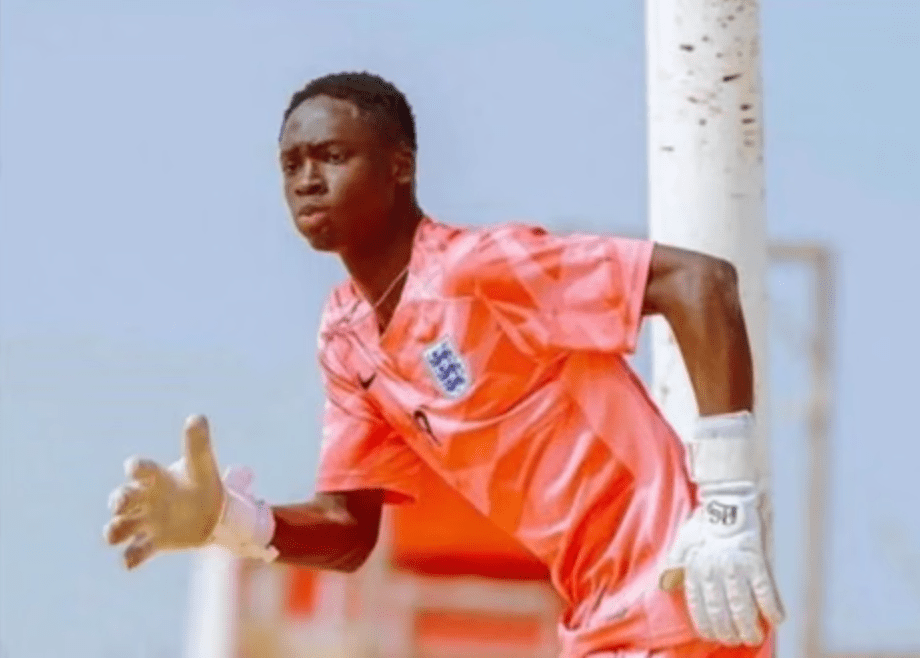
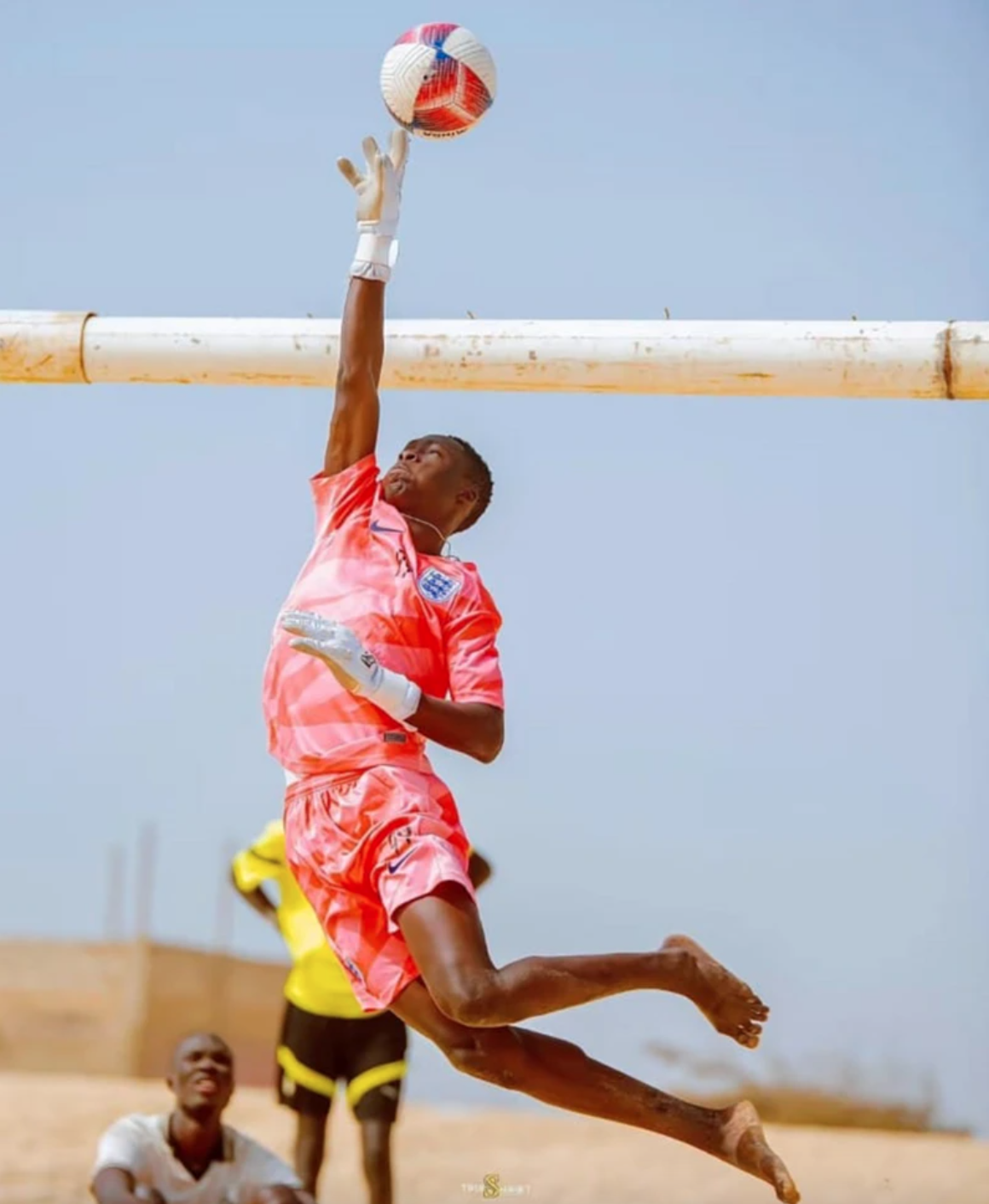
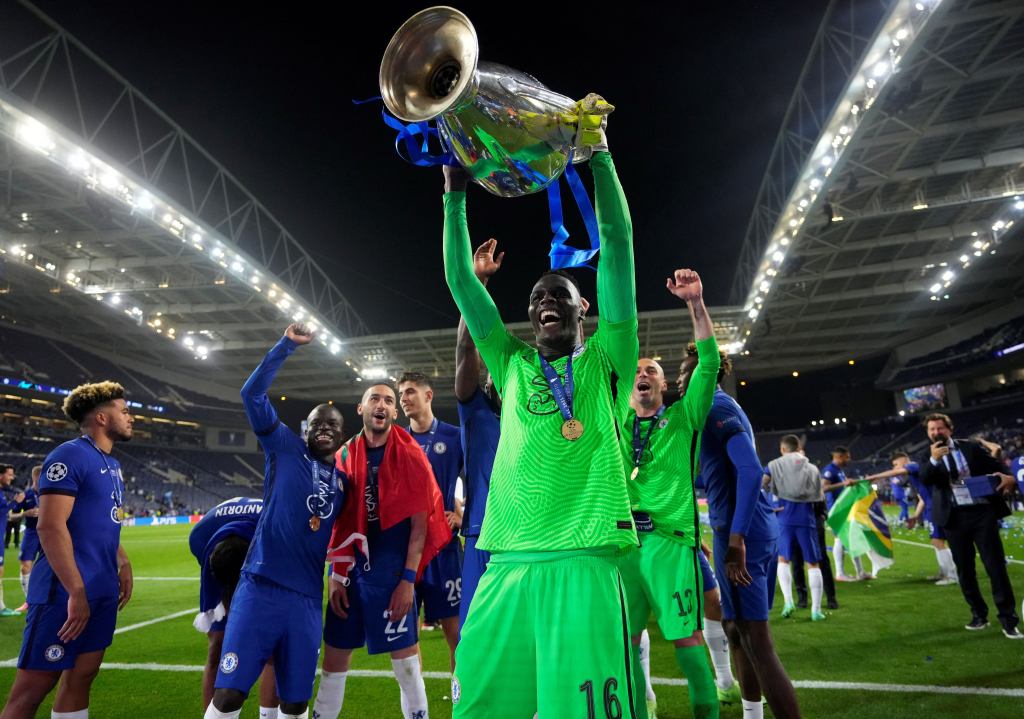
Cheikh Touré was a promising young goalkeeper playing for the Espri Foot Mbul Academy near Senegal’s capital. He dreamed of attracting attention from top international clubs and earning a career marked by soccer prestige and generational wealth. His talent was reportedly highly regarded by his coaches, and he even drew comparisons to compatriot Édouard Mendy — high praise considering Mendy starred for Chelsea FC during their 2021 UEFA Champions League triumph, becoming the first — and only — African goalkeeper to win the tournament. Months later, he won FIFA’s Best Goalkeeper award and helped the Lions of Teranga secure their first-ever AFCON title.
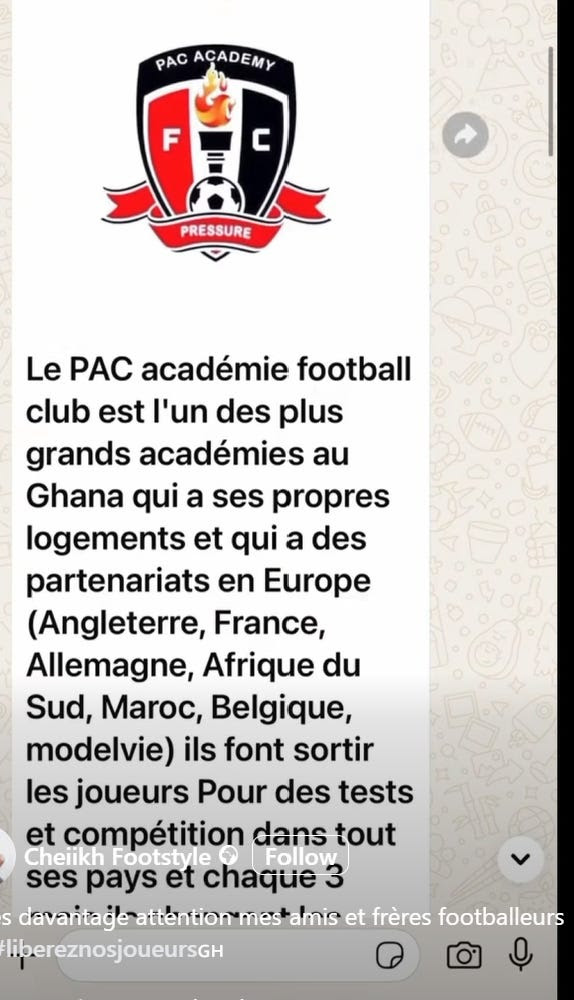
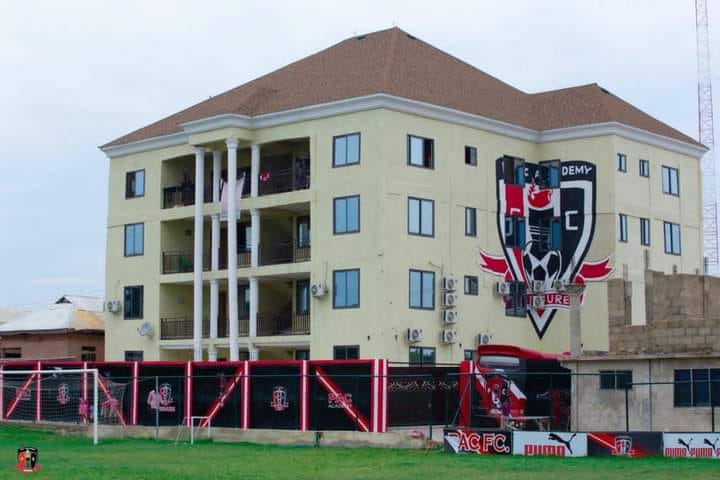
Touré came from humble beginnings. His mother sold vegetables in a market on the outskirts of Dakar, and soccer would have represented his opportunity to uplift his family, who had recently endured the loss of his sister. In early fall 2025, Touré allegedly encountered someone claiming to be a scout for the PAC Academy in Kumasi, Ghana, This individual reportedly promised Touré trials with several professional clubs in Morocco. PAC Academy has since denied any association with these individuals.
Believing he was traveling to meet scouts and agents who could offer him opportunities abroad, Touré left Senegal. The precise details of what happened next remain under investigation, but reports suggest that Touré and two other young Senegalese boys soon found themselves in the custody of extortionists in Ghana. It is alleged that his kidnappers forced him to call home and plead for ransom money. Though his parents allegedly sent over $1,000 in hopes of securing his release, their efforts proved unsuccessful.
Touré then left Senegal for what he believed he would be meeting with scouts and agents for potential opportunities in North Africa. Details regarding exactly what happened next are still being investigated, but it is believed that Touré and two other young Senegalese boys soon found himself in the custody of extortionists in Ghana. It is believed that his kidnappers forced Cheick to call home and beg his family for thousands of dollars in ransom money. Though his parents had allegedly sent over $1000 to the kidnappers for their son’s release and return, their efforts ultimately proved unsuccessful. In October, an unidentified man calling himself “Issah” allegedly dumped Touré’s body at a hospital in Kumasi, Ghana. He provided several contradictory explanations for the death — ranging from an accident to suicide — yet investigators later found wounds on Touré’s neck and abdomen. The whereabouts of Issah, the kidnappers, and the other trafficked boys remain unknown at the time of publication.
Touré’s death prompted an outpouring of mourning, anger, and frustration across social media, and it has led human rights, anti-trafficking, labor rights, and child-protection organizations to issue statements demanding stronger safeguards for young soccer players. His case has placed the issue of sports trafficking firmly in the public spotlight.
Mission89, a Swiss-based advocacy and research NGO that works to fight the exploitation of young athletes released a report on sport trafficking in 2023 which defines the nefarious practice as follows:
“Sport trafficking is the act of recruiting, transporting, transferring, harboring, or receiving an individual—typically an athlete or aspiring athlete—within or across borders, through coercive, deceptive, or other abusive means for the purpose of exploitation in, through or around sports.”
In simpler terms, sports trafficking refers to the recruitment and relocation of young athletes — often from low-income communities and Global South nations — for exploitation abroad, typically through extortion, forced labor, or both. This practice employs various abusive and illegal methods that prey on the aspirations of young athletes and the hopes of their families. Broadly, sports trafficking tends to occur in one of three ways.
How Sports Trafficking Works
The first — and perhaps most common — form of sports trafficking involves fake agents who extort young athletes, transport them across borders, and abandon them, leaving them to fend for themselves in unfamiliar countries. These extortionists target young soccer players, particularly in West Africa, promising trials and contracts with clubs overseas. They force players and their families to pay a “fee,” often amounting to thousands of dollars, and then traffic them to another country. Upon arrival, many players are abandoned with no money, passports, shelter, or means to return home. Left on the streets of major cities, they are forced to survive however they can or seek help from authorities to return home — often after their families have sacrificed their savings to invest in their dream.
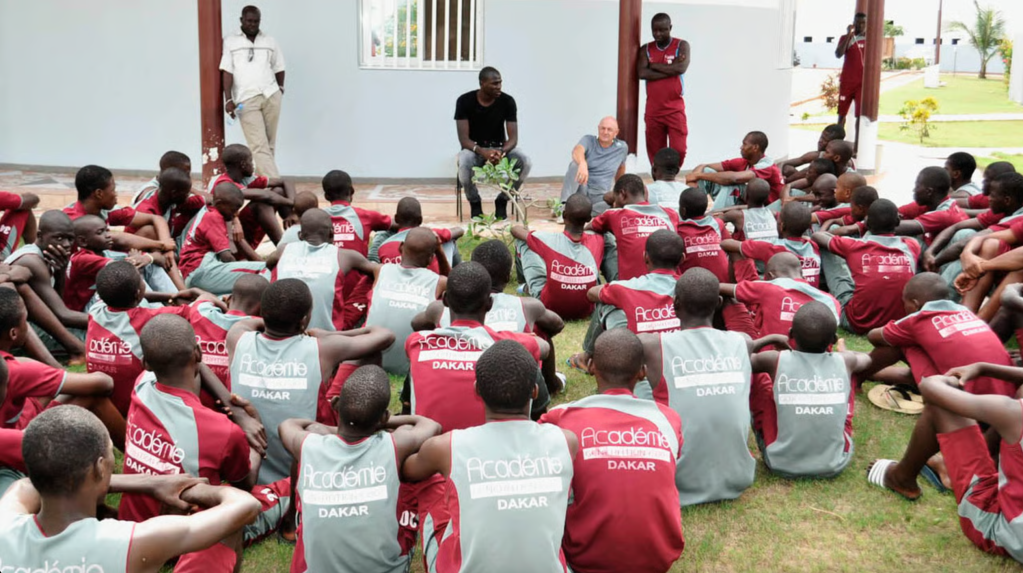
A documentary produced by German filmmakers ENDEVR chronicles the stories of African footballers abandoned in Paris. In the harrowing case of one interviewee, Willy, his “agent” traveled with him to Paris and placed him in a hotel. The fraudster then disappeared. Willy was later evicted and forced to live in the terraces of a stadium for two months before eventually securing housing. Today, it is estimated that more than 20,000 African soccer players are living in European cities after being scammed by sports traffickers.
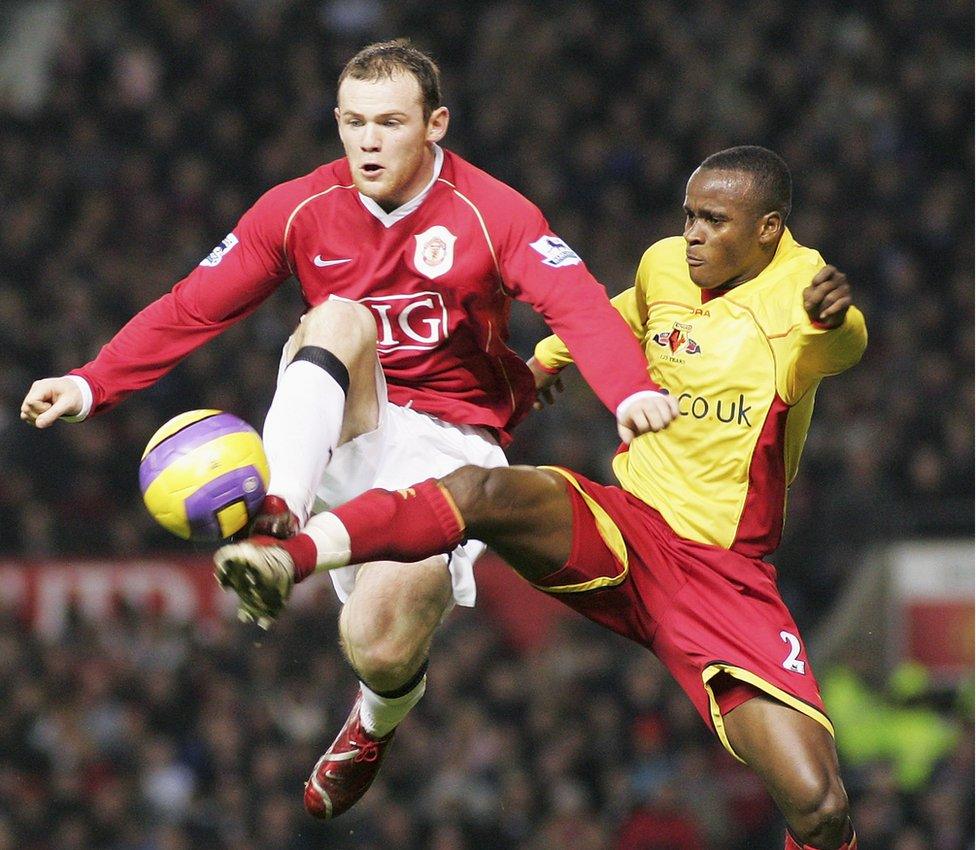
Even when real contracts exist and clubs take players in, migrant athletes are still vulnerable to exploitation. Some sign predatory contracts with clubs or agents — agreements that, at best, prevent them from earning their fair value and, at worst, restrict their freedom of movement. Former Sierra Leone national team player Al Bangura experienced this firsthand. After arriving in England as a teenager fleeing war, his agent tried to arrange for associates to sexually assault him. Bangura escaped, received asylum, and later established a successful career with Watford in the Premier League during the mid-2000s.
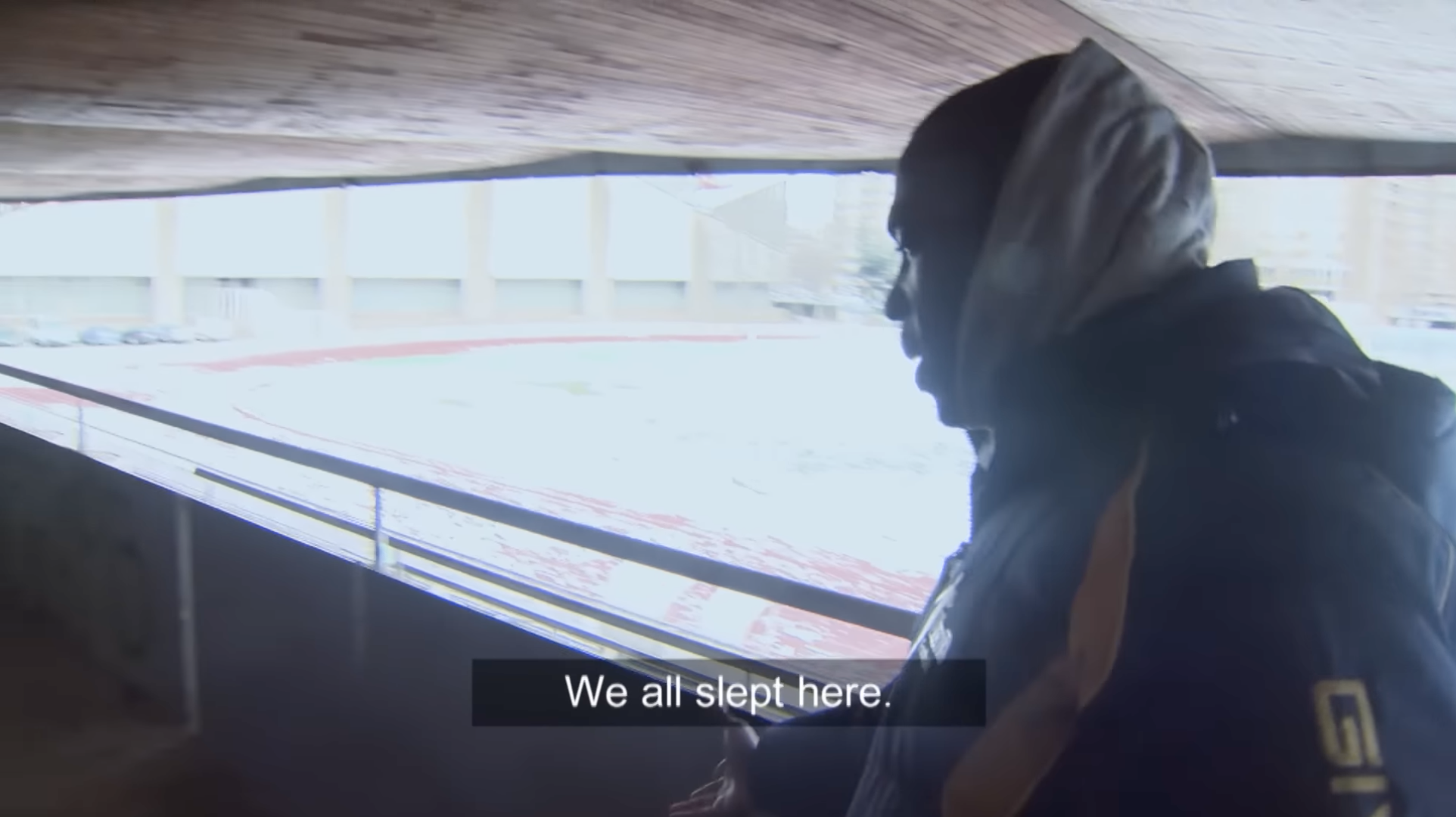
Another common form of sports trafficking involves small, unlicensed academies that have appeared throughout the region. These organizations are often run by individuals posing as legitimate agents, hoping to profit from the dreams of boys and families who see soccer as a pathway out of poverty. Many of these academies collaborate with traffickers who extort money from players and their families, or send them abroad to minor clubs where they are subjected to abusive, slave-like conditions.
In 2015, more than 20 Liberian boys were lured to Laos to join what they believed was the academy of local club Champasak United. Upon arrival, they slept inside the stadium, were rarely paid, and received only two meals a day. The club likely intended to eventually transfer the boys to other teams for a large profit while denying them adequate living and working conditions in the interim. Meanwhile, some parents reported taking out costly loans to finance the trip, leaving families in debt and distress. Following pressure from FIFA and FIFPRO (FIFA’s official player representation organization), Champasak United released 17 of the players who were returned to Liberia. The remaining six allegedly chose to remain in Laos.
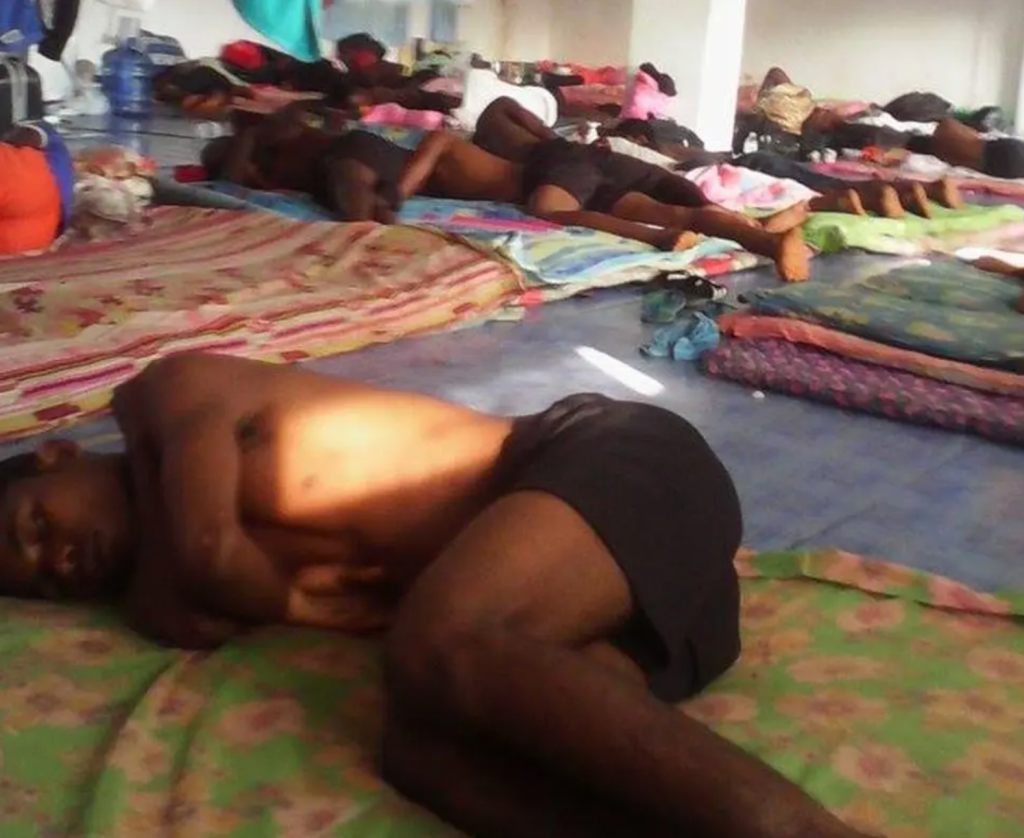
In 2023, authorities rescued 47 young African soccer players from an abusive academy in northern Portugal. Their passports had been confiscated, and they were prevented from contacting family members except to request money transfers to the academy. For nearly two years, the boys were effectively imprisoned in a training facility where they lived in appalling conditions and lacked adequate meals and care. These cases reveal that trafficking operations are not limited to shadowy individuals; entire clubs and organizations may be complicit in exploiting young talent for financial gain.
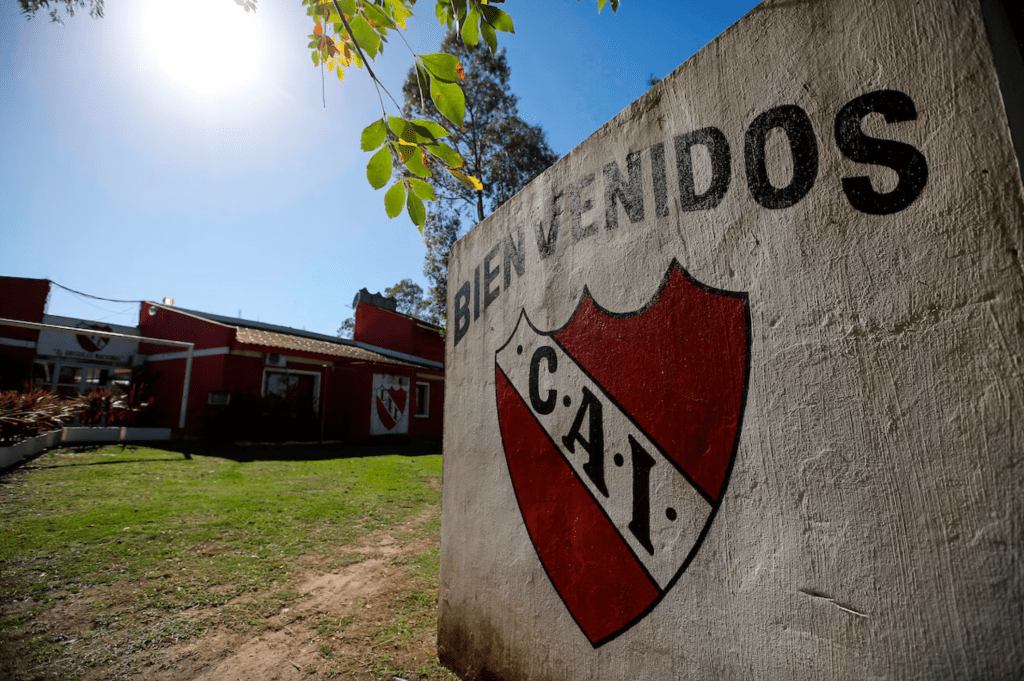
Finally, there are extreme cases like that of Touré. While the killing of trafficked soccer players remains comparatively rare, there are numerous cases in which athletes are forced into indentured servitude (slavery through debt bondage) or into sexual exploitation. In one especially horrific case, Atlético Independiente in Argentina collaborated with traffickers to bring boys from low-income communities into their academy. There, they were coerced into performing sexual acts in exchange for money, clothing, and even transportation to visit their families — part of a coordinated pedophilic prostitution ring.
Slavery and forced labor remain major global concerns. The 2023 Walk Free Global Slavery Index estimated that as of 2021, approximately 50 million people were living in conditions described as “modern slavery,” with around 28 million believed to be victims of forced labor. According to Dr. Steven Brandt, a human-trafficking researcher at the United States Air Force Academy, roughly 102,000 individuals in Senegal were working under conditions that could be classified as slavery in 2014 — a number that rose to more than 180,000 in Ghana. Victims in both nations are typically exploited in fishing, mining, agriculture, and sex-work industries. Increasingly, evidence suggests that criminal networks in West Africa are shifting from resource smuggling toward illegal academies and sports trafficking, with some operations deeply intertwined with sexual exploitation rings.
Victims of sports trafficking face more than the threat of abandonment abroad or exploitative contracts. As the practice grows more lucrative, criminal syndicates are drawing young athletes into the darkest corners of the transnational underworld — where dreams of soccer stardom can transform into nightmares of violence, servitude, and abuse.
Why Do Young Soccer Players Fall Victim to these Scams?
There is little mystery as to why young men and boys like Cheikh Touré are willing to place their trust in dubious agents and unlicensed academies: economic insecurity. According to the UNDP’s Multidimensional Poverty Index, as of 2019, 50.8% of Senegal’s population was classified as multidimensionally poor, while 27.7% lived in conditions of severe multidimensional poverty. For many young soccer players in West Africa, the sport represents not only a path to professional success, but also a chance to earn generational wealth capable of lifting themselves, their families, and even entire communities out of poverty.
The wealth of Senegal’s most successful players illustrates what is possible. Many of them, like Sadio Mané, rose from low-income backgrounds to global stardom. After a decorated career at Liverpool FC and Bayern Munich, the Lions of Teranga’s all-time top scorer joined Cristiano Ronaldo at Saudi club Al-Nassr, where he reportedly earns around $45 million per year. Mané grew up in poverty in the southern village of Bambali, and his success has allowed him to finance numerous philanthropic projects at home. From building a hospital to funding technology access programs and reportedly providing families in the village with a minimum monthly wage stipend, Mané has used his great wealth to make a tremendous impact on the lives of his community members.

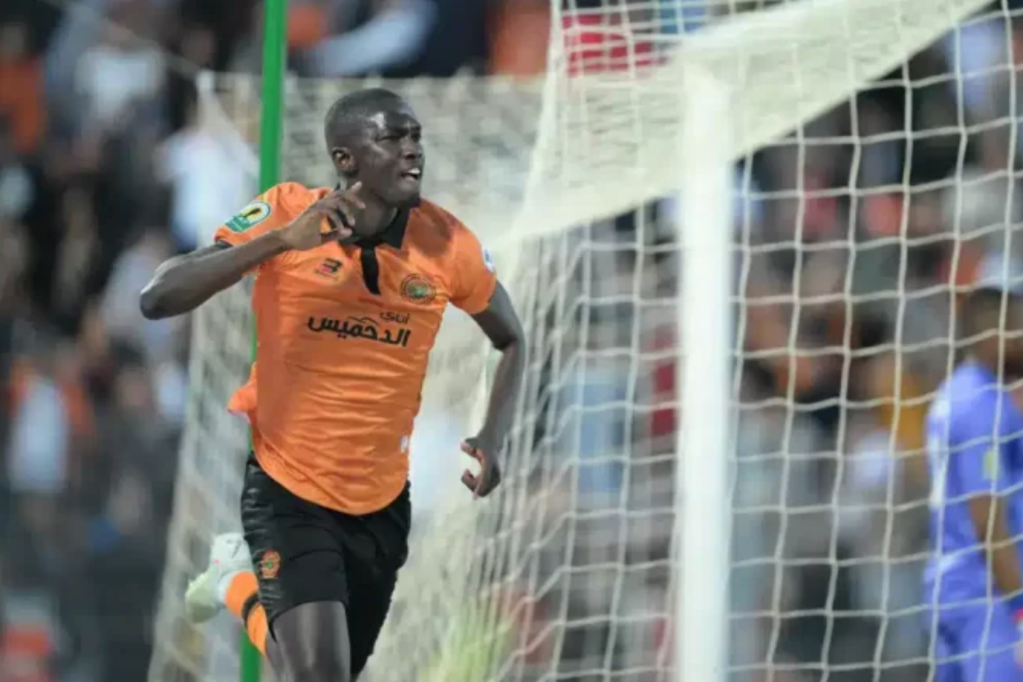
A young Senegalese player does not need to reach the highest levels of elite European soccer to achieve financial security. Professional clubs in North African leagues — the type of opportunity Touré hoped to find — can pay salaries of €20,000 to €30,000 per month, a life-changing income in Senegal. These leagues are also heavily scouted by European teams. Midfielder Mamadou Lamine Camara, for example, has been playing for RS Berkane in Morocco, and after strong performances for both club and youth national sides, he made his debut for Senegal’s senior national team. He is currently part of their AFCON squad and has reportedly attracted interest from clubs such as Leeds United (England), Atlético Madrid (Spain), and Fenerbahçe (Turkey).
Beyond financial opportunities, soccer can also serve as a more stable pathway to migration. Players who succeed abroad may secure residency or citizenship in Europe, Asia, or the United States, allowing them to provide their families with improved access to healthcare, education, and long-term security. Migration has become increasingly difficult in recent years; Senegal — like much of West Africa — is experiencing an emigration crisis, with hundreds of thousands attempting to reach Europe annually. As the European Union expands border controls across North and West Africa, migrants are taking riskier routes, resulting in tens of thousands of deaths. In this context, soccer appears to many families as a safer, more legitimate alternative for migration — if they have a child talented enough to be scouted.
Stoppage Time
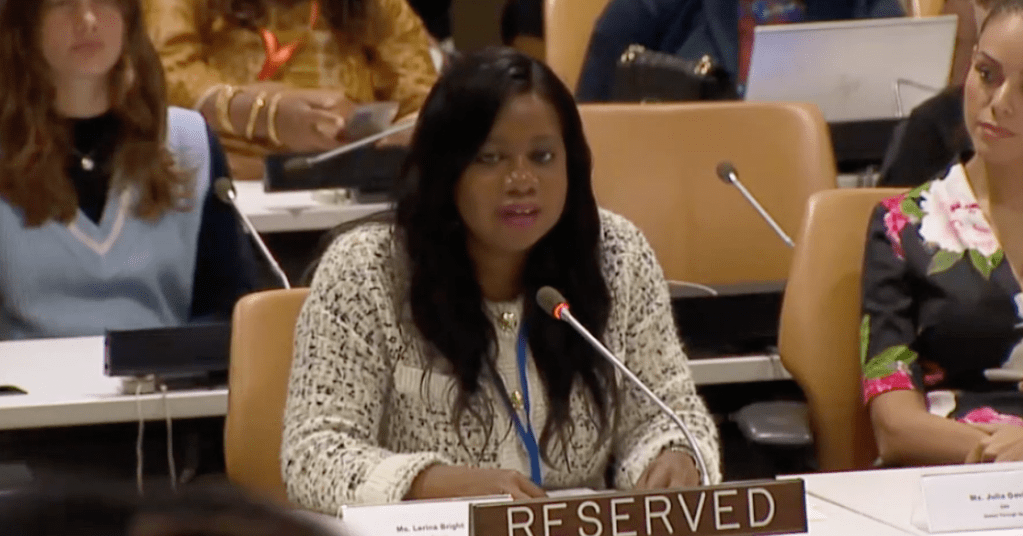
With the issue of sports trafficking now in the spotlight, the question becomes: who bears responsibility for protecting young athletes from predatory agents and fraudulent academies? In response to Touré’s death, Mission89 issued a statement urging soccer clubs, sporting bodies, and legitimate scouting networks to “establish and promote verified recruitment channels, including clear verification of trial invitations and identity checks for scouts.” It is critical that clubs and academies across West Africa ensure that only licensed and accredited agents have access to their players and that they conduct due diligence when arranging overseas transfers. As previously discussed, clubs themselves can sometimes be complicit—or even directly involved—in trafficking. In such cases, national authorities and football federations must intervene and impose meaningful sanctions on institutions that fail to safeguard young players.
Although this crisis is not unique to Senegal, the recent tragedy provides the Senegalese government with an opportunity to lead the region in developing stronger mechanisms to combat the trafficking of athletes. Mission89 recommends collaboration between the national government, ministries of sport, and embassies to establish emergency response procedures and verification systems for international trials and transfers—resources that must be easily accessible to players and their families. Authorities can also create task forces to identify, arrest, and dismantle trafficking networks. Furthermore, Senegal can operationalize elements of the African Union’s Ouagadougou Action Plan to Combat Trafficking, which calls for investment in youth empowerment programs, training for local officials to recognize trafficking, and support services for victims. Central to this plan is education—ensuring young athletes understand the risks, warning signs, and realities of fraudulent recruitment. This education needs to be embedded directly within clubs and academies developing young football talent.
Finally, the responsibility extends beyond national borders. Major football governing bodies such as FIFA and the Confederation of African Football (CAF) must take more decisive action. While both have issued statements condemning trafficking and affirming child protection, neither has implemented a comprehensive framework for safeguarding young players. FIFA, in particular, is positioned to convene international stakeholders and draft a binding policy that protects young athletes worldwide and serves as a model for other sports.
As the AFCON continues, the growth of Africa as a global force in soccer is on full display. However, for the sport to be able to positively impact and safely engage young Africans and young soccer players around the world, multi-tiered and comprehensive action involving a variety of stakeholders must take place that protect young athletes throughout the continent.

 Explaining Offsides
Leave a comment